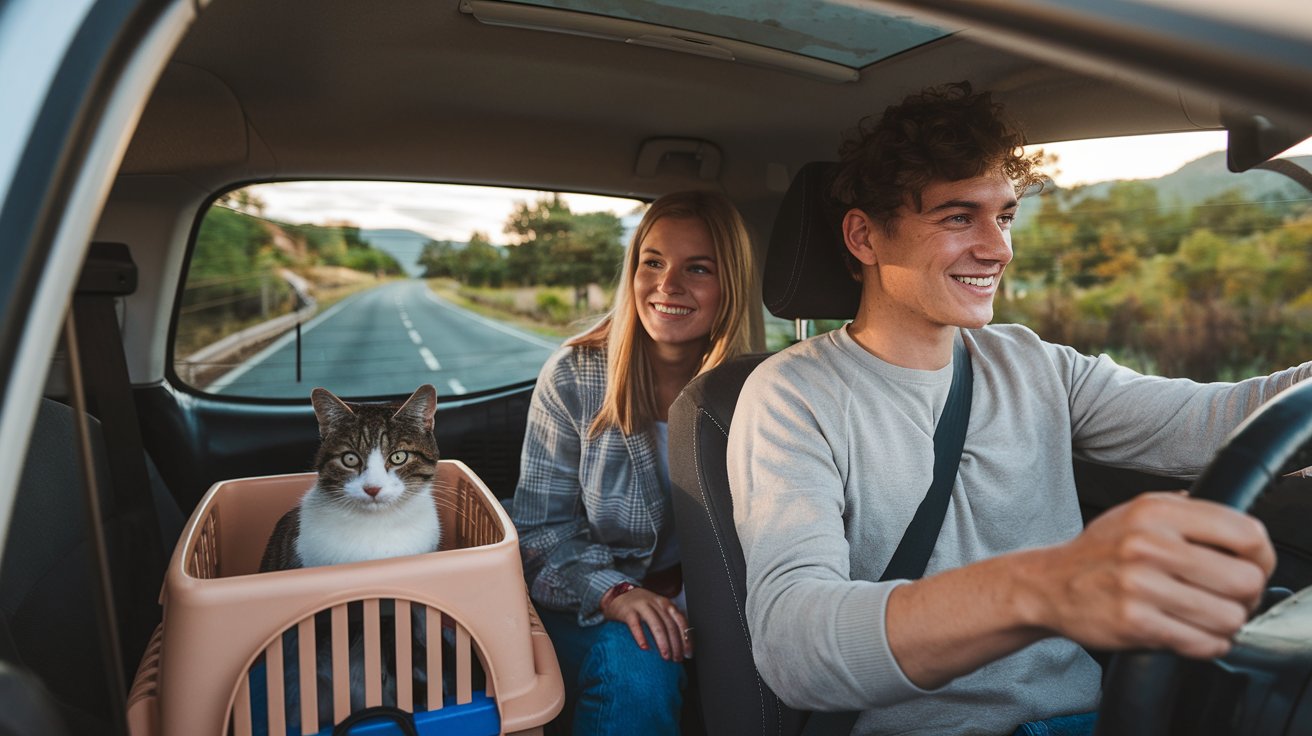
Taking a road trip with a cat requires careful planning and preparation to ensure both safety and comfort throughout the journey. Unlike dogs, cats are territorial creatures that often experience stress during travel, making it essential to understand proper techniques for car travel. This comprehensive guide provides proven strategies for successful feline road trips, from selecting the right carrier to managing anxiety and maintaining routines during extended drives across the United States.
Preparing Your Cat Before the Road Trip
Successful cat road trips begin weeks before departure with proper acclimation and training. Approximately 78% of feline travel anxiety cases in 2026 stem from inadequate preparation, according to the American Association of Feline Practitioners. Start introducing your cat to their carrier at least three weeks before travel by leaving it open in their favorite room with comfortable bedding and treats inside. This transforms the carrier from a threatening object into a safe space.
Schedule a veterinary checkup 7-10 days before departure to ensure your cat is healthy enough for travel. Request a health certificate if crossing state lines, as some states require documentation dated within 30 days of entry. Discuss motion sickness medication options, as approximately 32% of cats experience car sickness during their first long journey. Update all identification tags and ensure your cat’s microchip registration contains current contact information before departure.
Essential Gear for Cat Car Travel
Equipping yourself with the right travel essentials makes the difference between a stressful journey and a smooth road trip experience. The fundamental requirement is appropriate safety equipment combined with comfort items that maintain your cat’s normal routine during travel.
Choosing the Right Cat Carrier
Select a crash-tested cat carrier that meets Center for Pet Safety standards updated in 2025. Hard-sided carriers provide superior protection during sudden stops, while soft-sided options offer better ventilation for summer travel. The carrier should be large enough for your cat to stand, turn around, and lie down comfortably. For cats weighing 8-12 pounds, a carrier measuring 24 inches long by 16 inches wide provides adequate space. Always secure the carrier with a seatbelt in the back seat, never in the front where airbags could cause injury. Popular 2026 models include the Sleepypod Mobile Pet Bed and Gunner G1 Small, both rated five stars for crash protection.
Travel Litter Box Solutions
A portable travel litter box is essential for trips exceeding four hours. Collapsible silicone litter boxes have become the preferred choice in 2026, weighing just 8 ounces while expanding to full size when needed. Pack enough clumping litter for the journey duration plus 20% extra, stored in sealed containers to prevent spills. Plan litter box breaks every 3-4 hours at pet-friendly rest stops or quiet parking areas. Bring a small hand broom, dustpan, and waste bags for quick cleanups. Position the litter box away from food and water in your vehicle during stops to respect your cat’s natural preferences for separate bathroom and eating areas.
Food, Water, and Feeding Equipment
Pack at least 30% more food and water than you estimate needing for the journey duration. Sudden dietary changes during travel can cause digestive upset, so bring your cat’s regular food rather than trying new options on the road. Collapsible silicone bowls save space while providing familiar feeding experiences. Offer small amounts of water every 2-3 hours rather than leaving a full bowl in the carrier, which will spill during driving. For trips longer than 8 hours, maintain your cat’s regular feeding schedule as closely as possible. Portable, spill-proof water bottles designed for pet travel help keep hydration accessible without creating messes in your vehicle.
Managing Cat Anxiety and Motion Sickness
Approximately 67% of cats experience some level of travel anxiety during their first road trip, according to 2026 veterinary behavior studies. Recognizing and addressing stress symptoms early prevents escalation and ensures a more comfortable journey for both you and your feline companion.
Natural Calming Solutions
Synthetic feline facial pheromone sprays like Feliway have shown 73% effectiveness in reducing cat travel stress when applied to carrier bedding 15 minutes before departure. CBD products specifically formulated for cats gained FDA approval for travel anxiety in 2025, with recommended dosing of 0.5mg per pound of body weight administered two hours before travel. Natural calming supplements containing L-theanine and chamomile provide mild anxiety relief without sedation. Cover the carrier with a light blanket during driving to create a den-like environment, but ensure adequate ventilation. Playing calming classical music or species-specific frequencies designed for cats can reduce stress vocalizations by up to 45%.
Prescription Anti-Anxiety Medications
For cats with severe travel anxiety, veterinarians may prescribe medications such as gabapentin or trazodone. Gabapentin, dosed at 50-100mg given 2-3 hours before travel, has become the preferred option in 2026 due to its effectiveness and minimal side effects. Never use acepromazine, which can cause dangerous blood pressure drops and doesn’t actually reduce anxiety despite its sedative effects. Always conduct a trial run with any medication at home before your trip to observe your cat’s response. Prescription anti-nausea medications like maropitant (Cerenia) prevent motion sickness and are safe for cats as young as four months old.
During the Road Trip: Best Practices
Once on the road, maintaining safety protocols and monitoring your cat’s wellbeing ensures a successful journey. Never allow your cat to roam freely in the vehicle, as 89% of pet-related car accidents involve unrestrained animals causing driver distraction, according to 2026 National Highway Traffic Safety Administration data.
Keep the vehicle temperature between 68-72°F, as cats are more sensitive to temperature extremes than humans. Use sun shades on windows to prevent direct heat exposure on your cat’s carrier. Make rest stops every 2-3 hours to offer water, check on your cat’s condition, and provide litter box access. During stops, always harness your cat before opening the carrier door, as stressed cats may attempt escape. Many modern rest stops along Interstate highways now feature dedicated pet relief areas with secure fencing, making breaks safer and more convenient.
Traveling with Multiple Cats
Road trips with multiple cats require additional planning and equipment to ensure all felines remain safe and comfortable. Each cat needs their own secured carrier rather than sharing one large crate, as close confinement increases stress and potential conflicts even between bonded cats. Position carriers so cats can see each other if they’re bonded companions, or use visual barriers if they have a tense relationship.
Pack separate litter boxes, food bowls, and water dishes for each cat to prevent resource guarding during stops. Stagger rest stop bathroom breaks if your cats don’t typically share litter boxes at home. The 2026 recommended maximum for solo travel with cats is three felines, as managing more requires a second adult to ensure adequate supervision and care. If traveling with both cats and dogs, separate them completely within the vehicle using cargo barriers or positioning carriers at opposite ends of the back seat.
Overnight Stays and Pet-Friendly Accommodations
When your road trip spans multiple days, booking appropriate pet-friendly lodging becomes essential. Major hotel chains including Kimpton, La Quinta, and Red Roof Inn offer cat-friendly policies across the United States, though policies and fees vary by location. Always call ahead to confirm current pet policies, as 2026 occupancy limits for pets have tightened at many properties. Request ground-floor rooms near exits for easier carrier transport and emergency access.
Upon arriving at your hotel room, immediately set up a safe space in the bathroom with litter box, food, water, and bedding before opening the carrier. This confined area prevents your cat from hiding in dangerous spots like under beds or behind appliances. Gradually allow access to the full room once your cat appears calm and oriented. Place a “Do Not Disturb” sign on your door and notify front desk staff that you’re traveling with a pet to prevent housekeeping from accidentally letting your cat escape.
Common Road Trip Mistakes to Avoid
Understanding what not to do during cat road trips is equally important as knowing best practices. Never leave your cat alone in a parked vehicle, even for brief periods. Interior car temperatures can reach lethal levels within 15 minutes on days as cool as 70°F. In 2026, all 50 states have laws addressing animals in hot vehicles, with 32 states specifically authorizing citizens to break windows to rescue pets in distress.
Avoid driving with your cat loose in the vehicle, despite viral social media posts showing cats on dashboards. Unrestrained cats cause approximately 28,000 accidents annually in the United States by interfering with pedals, climbing on drivers, or causing sudden distractions. Never use a harness attached to a seatbelt as a restraint method, as this can cause severe internal injuries during sudden stops. Don’t assume your cat will eventually calm down and adapt during the journey—if stress signs persist beyond two hours, find a safe place to stop and reassess your approach rather than continuing a potentially harmful situation.
Understanding Safe Travel Durations
The question of how long cats can safely travel depends on individual temperament, prior travel experience, and proper planning. Most cats can comfortably handle 6-8 hour driving days when proper breaks are incorporated every 2-3 hours. The absolute maximum recommended continuous travel time is 12 hours within a 24-hour period, with overnight rest required before continuing.
For cats traveling for the first time, limit initial trips to 4-6 hours to assess their response to car travel. Young kittens under 6 months and senior cats over 12 years have reduced stress tolerance and may require more frequent breaks and shorter daily travel times. Plan your route to include at least one extended 45-60 minute break mid-journey where your cat can fully stretch, eat a small meal, and use the litter box in a calm environment. Cross-country trips spanning multiple days are manageable with proper planning, but avoid back-to-back marathon driving days that don’t allow your cat adequate recovery time.
Special Considerations for Long-Distance Travel
Extended cross-country road trips with cats require additional preparation beyond short journeys. Create a detailed route plan identifying veterinary emergency clinics located within 30 minutes of your planned route in case urgent care becomes necessary. Download the 2026 version of the Pet Travel Safety app, which maps 24-hour veterinary facilities and pet-friendly rest stops along all major US highways.
Consider your cat’s medical needs when planning multi-day journeys. Cats requiring daily medications need consistent dosing schedules maintained despite time zone changes. Pack a seven-day supply of any prescription medications beyond your planned travel time to account for unexpected delays. Bring copies of vaccination records and your veterinarian’s contact information. For cats with chronic conditions like diabetes or kidney disease, consult your vet about travel safety and whether a road trip is advisable versus alternative transportation or pet sitting arrangements.
Post-Trip Recovery and Routine Reestablishment
After completing your road trip, allow your cat adequate time to decompress and readjust to their normal environment. Most cats require 24-48 hours to fully recover from travel stress, even after successful trips. Set up familiar items like their regular bed, toys, and scratching posts immediately upon arriving home to help them reorient quickly.
Monitor your cat’s behavior for signs of lingering travel stress including reduced appetite, excessive hiding, or litter box avoidance. These symptoms typically resolve within three days but warrant veterinary attention if they persist longer. Some cats experience temporary digestive upset after travel, which usually resolves with their regular diet and routine. Maintain consistent feeding and play schedules to help your cat return to normal more quickly. If you plan future road trips, the acclimation process becomes progressively easier, with most cats showing significantly reduced stress responses by their third or fourth journey.
Related video about how to road trip with a cat
This video complements the article information with a practical visual demonstration.
Everything you need to know about how to road trip with a cat
How long can a cat be on a road trip?
Cats can safely travel for 6-8 hours per day with proper breaks every 2-3 hours. The maximum recommended travel time is 12 hours within a 24-hour period. First-time feline travelers should start with shorter 4-6 hour trips. Adequate rest stops for water, food, litter box access, and stress assessment are essential regardless of journey length. Multi-day road trips are manageable when daily driving times remain moderate and overnight recovery periods are provided.
What is the 3-3-3 rule for cats?
The 3-3-3 rule for cats refers to the adjustment timeline when introducing cats to new environments: 3 days to decompress from stress, 3 weeks to learn the new routine and environment, and 3 months to fully feel comfortable and secure. This rule applies to post-travel adjustment as well, though most travel recovery occurs within the first 3-day phase. Understanding this timeline helps set realistic expectations for your cat’s behavior after road trips and moves.
Is it okay to take a cat on a road trip?
Yes, taking a cat on a road trip is safe and acceptable when proper precautions are followed. Use a crash-tested carrier secured with seatbelts, never allow loose roaming in the vehicle, and provide regular breaks for water and litter box access. Most cats adapt well to car travel with gradual acclimation starting weeks before the trip. However, cats with severe anxiety disorders or certain medical conditions may be better served by alternative arrangements. Consult your veterinarian if your cat has health concerns that might complicate travel.
Can cats travel long distances in a car?
Cats can successfully travel long distances by car, including cross-country trips, with appropriate planning and care. Break long journeys into manageable 6-8 hour driving days with overnight stops at pet-friendly accommodations. Maintain consistent feeding schedules, provide regular access to water and litter boxes, and monitor for stress signs throughout the journey. Many cats become comfortable with extended car travel after several successful trips. The key is proper carrier safety, adequate breaks, and attention to your individual cat’s comfort and stress levels.
What should I do if my cat gets carsick?
If your cat experiences motion sickness, withhold food for 3-4 hours before travel while keeping water available. Ensure adequate carrier ventilation and position it where your cat can see out windows to reduce disorientation. Your veterinarian can prescribe maropitant (Cerenia), an effective anti-nausea medication safe for cats. For mild cases, ginger supplements may provide natural relief. Make more frequent stops to allow recovery from nausea. If severe motion sickness persists despite medication, consider alternative travel methods or consult a veterinary behaviorist.
How do I entertain my cat during a road trip?
Most cats prefer calm, quiet environments during road trips rather than active entertainment. Provide familiar-scented bedding and a favorite toy inside the carrier for comfort. Playing species-specific calming music or white noise can reduce stress. Avoid overstimulation during driving periods, as most cats will sleep for significant portions of the journey. During rest stops, brief interactive play sessions with feather wands or laser pointers help burn energy. The goal is maintaining calm rather than entertainment, as excessive stimulation increases travel anxiety for most felines.
| Key Aspect | Important Details | Benefit |
|---|---|---|
| Carrier Safety | Crash-tested, seatbelt-secured carrier in back seat | Prevents injury during accidents and sudden stops |
| Break Frequency | Every 2-3 hours for water, litter box, and stress checks | Reduces anxiety and maintains physical comfort |
| Preparation Timeline | Begin carrier acclimation 3 weeks before departure | Transforms carrier into safe space reducing stress |
| Daily Travel Limit | 6-8 hours driving with overnight rest for multi-day trips | Prevents exhaustion and allows recovery time |
| Temperature Control | Maintain 68-72°F vehicle temperature consistently | Prevents heat stress and maintains comfort |
| Anxiety Management | Pheromone sprays, calming supplements, or prescribed medications | Reduces stress responses and improves travel experience |