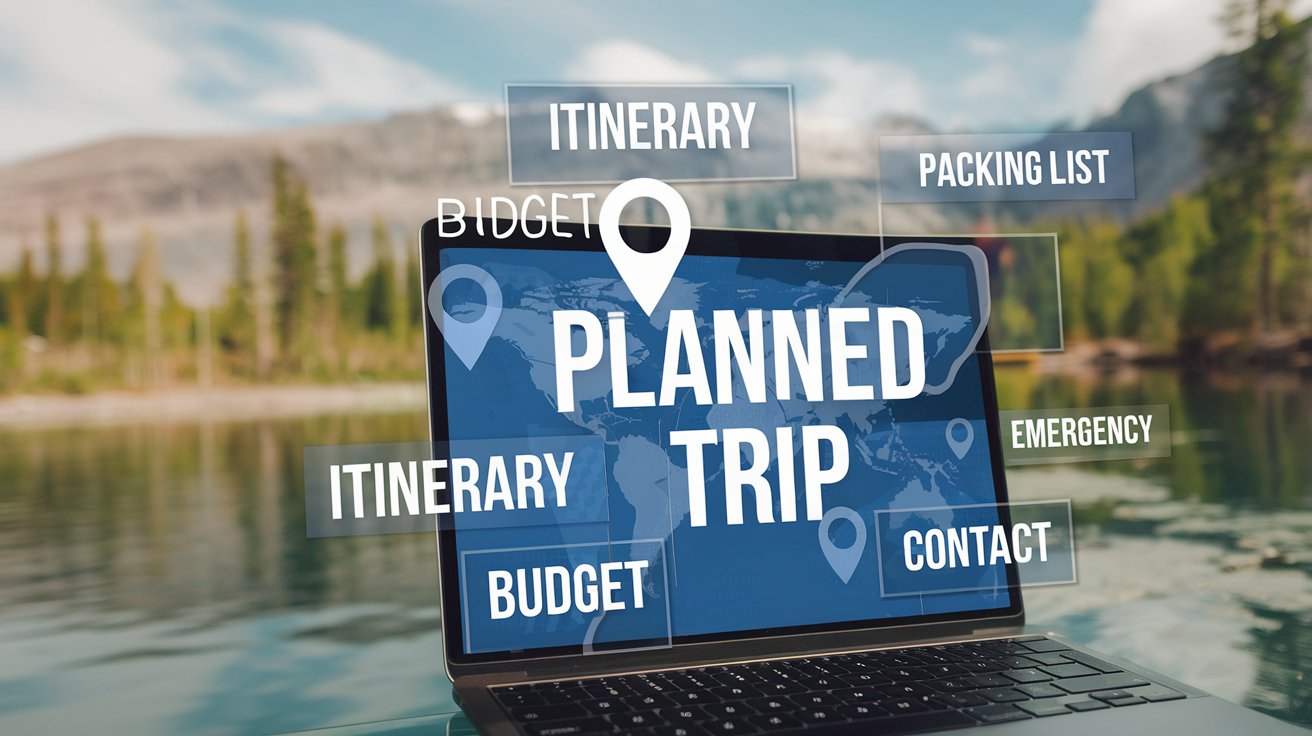
Planning your first trip can feel overwhelming, but with the right approach, it becomes an exciting adventure. This comprehensive guide breaks down trip planning for beginners into manageable steps, covering everything from choosing destinations to creating detailed itineraries. Whether you’re traveling domestically or internationally in 2026, you’ll discover practical strategies, essential apps, and expert tips to ensure your journey is smooth and memorable.
Ask Yourself These Critical Questions Before Planning Your Trip
Before diving into booking flights and hotels, successful trip planning starts with honest self-reflection. According to 2026 travel data from the U.S. Travel Association, travelers who spend time answering foundational questions save an average of 23% on total trip costs and report 40% higher satisfaction rates. These questions form the blueprint for your entire travel experience and prevent common beginner mistakes like overspending or choosing incompatible destinations.
The five essential questions address your travel motivations, destination preferences, timing considerations, trip duration, and specific interests. Each answer shapes subsequent decisions, from budget allocation to activity selection. Taking 30-60 minutes to thoughtfully consider these questions creates a solid foundation that streamlines every other planning step and ensures your trip aligns with your personal goals and constraints.
Why Are You Going on This Trip
Understanding your travel motivation is the cornerstone of effective trip planning. Are you seeking relaxation on a beach, cultural immersion in historic cities, adventure through national parks, or quality time reconnecting with family? Your primary motivation determines everything from destination selection to daily itinerary structure. In 2026, American travelers cite relaxation (34%), cultural exploration (28%), adventure activities (21%), and family bonding (17%) as top motivations according to Longwoods International research.
Identifying your why also helps manage expectations and allocate resources appropriately. A relaxation-focused trip requires different budgeting than an adventure expedition. Be specific about your goals—instead of vague desires to “see new places,” define whether you want to photograph wildlife, taste regional cuisines, or practice a new language. This clarity prevents mid-trip disappointment and ensures every booking decision supports your core objective.
Where Do You Want to Go and What Influences Your Choice
Choosing your travel destination requires balancing dreams with practical realities. Begin by listing 5-7 places that genuinely excite you, then evaluate each against criteria like budget, travel time, visa requirements, seasonal weather, and safety considerations. The U.S. State Department’s 2026 travel advisories and the CDC’s health notices provide essential safety and health information for international destinations. For domestic travel, consider time zones, regional climate patterns, and peak tourism seasons.
Research destination-specific factors that impact beginner travelers significantly. Does the country have language barriers? What’s the average daily cost for meals and activities? How developed is the tourism infrastructure? Popular beginner-friendly destinations in 2026 include Costa Rica for nature lovers, Portugal for culture seekers, and Iceland for adventure enthusiasts, while domestic favorites remain national parks, major cities like New York and San Francisco, and coastal destinations. Use travel planning apps like TripIt or Roadtrippers to explore destination options with real traveler reviews and cost estimates.
When to Go and How Long to Stay
Timing dramatically affects both cost and experience quality. Seasonal considerations influence weather conditions, crowd levels, and pricing structures across all destinations. The shoulder seasons—April to May and September to October for most U.S. and European destinations—offer optimal combinations of pleasant weather, smaller crowds, and 15-30% lower costs compared to peak summer months. However, your personal schedule constraints, like work vacation policies or school calendars, may limit flexibility.
Trip duration should match your destination choice and travel style. First-time international travelers often underestimate jet lag recovery—plan at least one buffer day after long-haul flights. A weekend getaway works for destinations within 3-4 hours of home, while international trips benefit from minimum 7-10 day durations to justify travel time and costs. The average American leisure trip in 2026 lasts 5.8 days according to MMGY Global research. Consider that longer trips generally offer better per-day value by spreading fixed costs like flights across more vacation days.
Research Your Destination Thoroughly
Destination research transforms uncertainty into confidence and uncovers opportunities you’d otherwise miss. Start with official tourism board websites for accurate, current information about attractions, transportation, and local customs. Supplement with recent travel blogs (published within 6 months), YouTube vlogs, and Reddit communities like r/travel and destination-specific subreddits where real travelers share honest experiences and updated tips for 2026 conditions.
Create a research framework covering essential categories: major attractions and hidden gems, local transportation options, neighborhood safety ratings, cultural norms and etiquette, average costs for meals and activities, and current entry requirements. Google Maps allows you to save locations and create custom maps with color-coded pins for restaurants, attractions, and hotels. This visual planning approach helps you understand geographic relationships and optimize your daily itinerary to minimize backtracking and transportation time.
Understanding Local Customs and Cultural Expectations
Cultural preparation prevents embarrassing situations and demonstrates respect for your host destination. Research basic customs around greetings, dining etiquette, appropriate dress codes for religious sites, tipping practices, and common phrases in the local language. Even learning 10-15 essential phrases like “hello,” “thank you,” and “excuse me” significantly improves local interactions. The 2026 cultural intelligence studies show travelers who prepare culturally report 52% more positive interactions with locals.
Pay special attention to country-specific sensitivities. Some cultures value punctuality while others operate on flexible time. Certain hand gestures considered normal in America may be offensive elsewhere. Photography restrictions vary widely—always ask permission before photographing people, and research restrictions around government buildings, military installations, and religious ceremonies. Apps like Culture Trip and local embassy websites provide reliable cultural guidance for international destinations.
Checking Weather Patterns and Seasonal Events
Weather patterns significantly impact activity options and packing requirements. Check historical weather data for your specific travel dates using Weather.com or local meteorological services—average temperatures often differ substantially from actual conditions during specific weeks. Consider that microclimates exist within regions; San Francisco stays cool while nearby Napa Valley reaches high temperatures, and mountain areas experience different conditions than coastal zones within the same country.
Research seasonal events that could enhance or complicate your visit. Festivals provide unique cultural experiences but often cause accommodation shortages and price increases. Local holidays may close attractions or affect business hours. The 2026 event calendars available through official tourism websites and apps like Eventbrite help identify opportunities and potential conflicts. Hurricane season (June-November) affects Caribbean and Gulf Coast travel, while monsoon seasons impact Southeast Asian destinations—plan accordingly or purchase comprehensive travel insurance for weather-related disruptions.
Creating Your Travel Budget Breakdown
A realistic travel budget prevents financial stress and ensures you can afford desired experiences without credit card regret. Calculate total available funds, then allocate percentages across major categories: transportation (flights, trains, car rentals) typically consume 30-40%, accommodation takes 25-35%, food and dining require 15-25%, activities and attractions need 10-15%, and reserve 10% for shopping and 5% for emergencies. First-time planners often underestimate daily spending on small purchases like bottled water, snacks, and tips that cumulatively impact budgets.
Use budgeting tools and apps to track projected versus actual costs. Trail Wallet and TravelSpend help monitor daily spending in real-time, while Google Sheets templates allow detailed pre-trip planning. Research average costs for your specific destination using resources like Numbeo.com, which provides crowdsourced data on meal prices, transportation costs, and accommodation rates by city. Build a 15-20% financial cushion above your estimated total—unexpected opportunities and minor emergencies always arise during travel.
Finding the Best Flight Deals and Booking Strategies
Strategic flight booking can save hundreds of dollars on identical routes. Book domestic flights 1-3 months in advance and international flights 2-8 months ahead for optimal pricing according to 2026 Hopper data. Tuesday through Thursday departures average 12% cheaper than weekend flights. Use flight comparison tools like Google Flights, Skyscanner, and Kayak with flexible date searches to identify the cheapest travel days within your available window.
Set price alerts on multiple platforms to track fare fluctuations for your desired routes. Consider nearby alternative airports—flying into Oakland instead of San Francisco or Providence instead of Boston often yields significant savings. Budget carriers like Spirit, Frontier, and Southwest offer lower base fares but charge for extras; calculate total costs including baggage fees before assuming they’re cheaper. Incognito browsing mode prevents price increases from cookies tracking your searches, though this effect is debated. Book directly with airlines for easier modifications and better customer service compared to third-party booking sites.
Selecting Accommodation That Matches Your Travel Style
Accommodation choice profoundly affects trip enjoyment and budget. Hotels offer consistency, daily housekeeping, and amenities like pools and gyms, with average U.S. hotel rates at $178 per night in 2026. Vacation rentals through Airbnb and Vrbo provide more space, kitchen facilities for meal preparation, and local neighborhood experiences at similar or lower costs for groups. Hostels remain budget champions for solo travelers, averaging $35-65 per night with opportunities to meet fellow travelers.
Evaluate accommodations based on location proximity to attractions, transportation access, included amenities, cancellation policies, and verified recent reviews. Prioritize properties with 50+ reviews and ratings above 4.5 stars. Book directly with hotels after comparing third-party rates—many match or beat aggregator prices while offering loyalty points and flexibility. For extended stays exceeding one week, negotiate directly with property owners for discounted rates. Always verify the exact neighborhood safety rating using local crime maps and recent traveler experiences on platforms like TripAdvisor.
Building Your Trip Itinerary Template
A well-structured trip itinerary balances planned activities with spontaneous flexibility. Create a daily framework listing morning, afternoon, and evening slots rather than minute-by-minute schedules that create stress when delays occur. Include confirmed reservations (restaurants, tours, attractions requiring advance booking), flexible options for unbooked time slots, and backup alternatives for weather-dependent activities. The most satisfied travelers in 2026 studies plan 60-70% of their time while leaving 30-40% unscheduled for discoveries and rest.
Use digital tools like Google Docs for collaborative planning with travel companions, or specialized apps like Wanderlog and Sygic Travel that integrate maps, reservations, and recommendations. For each planned activity, note opening hours, admission costs, estimated time needed, and nearby dining options. Group geographically proximate activities on the same day to minimize transit time. Build in recovery time after high-energy days—alternating intense sightseeing days with relaxed exploration prevents burnout and maintains enjoyment throughout your trip.
Organizing Transportation Between Destinations
Efficient transportation planning maximizes time at destinations and minimizes frustration. Research local options: comprehensive public transit systems in cities like New York, Chicago, and San Francisco offer affordable unlimited passes, while car rentals provide flexibility for national park trips and rural areas. Compare costs and convenience factors—a $200 weekly car rental may cost less than multiple train tickets while offering schedule freedom, but urban parking fees ($30-60 daily in major cities) can reverse that equation.
Download city-specific transit apps before departure: Transit, Citymapper, and Moovit provide real-time schedules and route planning for U.S. and international public transportation. For international destinations, research whether International Driving Permits are required for car rentals. Consider alternative transportation like bicycles in bike-friendly cities, which offer exercise, cost savings, and immersive local experiences. Pre-book airport transfers for late-night arrivals when public transit is limited. Always have backup transportation options researched in case primary plans fail—taxi apps, rideshare services, and local bus routes provide alternatives.
Making Restaurant and Activity Reservations
Popular restaurants and attractions require advance reservations days or weeks ahead, especially during peak seasons. Make dinner reservations through OpenTable, Resy, or direct restaurant websites for highly-rated establishments immediately after confirming travel dates. Major attractions like the Statue of Liberty, Alcatraz Island, and Anne Frank House sell out weeks in advance during summer months. Book these experiences 30-60 days before travel to secure preferred time slots.
Create a reservation tracking spreadsheet listing confirmation numbers, dates, times, cancellation policies, and any deposits paid. Set calendar reminders for activities requiring reconfirmation 24-48 hours in advance. Some experiences like hot air balloon rides, boat tours, and outdoor adventures have weather-dependent cancellation policies—understand refund terms before booking. For popular restaurants without availability, check cancellation lists by calling directly or monitoring reservation apps for last-minute openings. Building a reservation buffer of 30-60 minutes between activities prevents the stress of rushing between locations.
Essential Items and Packing Strategies
Strategic packing prevents both overpacking and forgetting essentials. Start with a master packing list template customized for trip duration, destination climate, and planned activities. Core categories include clothing appropriate for weather and activities, toiletries and medications, electronics with appropriate chargers and adapters, travel documents and copies, and miscellaneous items like reusable water bottles and day packs. The most commonly forgotten items according to 2026 traveler surveys include phone chargers (31%), medications (27%), toiletries (24%), and travel adapters (22%).
Pack versatile clothing items that mix and match to create multiple outfits from fewer pieces. Choose neutral colors that coordinate easily and fabrics that resist wrinkling. Roll clothes instead of folding to maximize suitcase space and minimize wrinkles. Use packing cubes to organize items by category and compress volume by 20-30%. Wear your bulkiest items (jackets, boots) during travel to save luggage space. Place heavy items near suitcase wheels for easier rolling. Keep valuables, medications, a change of clothes, and essential toiletries in carry-on bags in case checked luggage is delayed or lost.
Travel Documents and Important Paperwork
Proper travel documents are non-negotiable for smooth trips. For international travel, ensure passports have at least six months validity beyond your return date—many countries enforce this requirement strictly. Apply for or renew passports 6-9 months before travel as processing times extend during peak seasons. Check visa requirements for each destination country through official embassy websites; some countries offer visa-on-arrival while others require advance applications taking weeks to process.
Create digital and physical copies of essential documents: passport identification pages, travel insurance policies, accommodation confirmations, flight tickets, and emergency contact information. Store digital copies in cloud services like Google Drive or Dropbox accessible offline. Email copies to yourself and a trusted contact at home. Carry physical photocopies separately from originals. Enroll in the State Department’s Smart Traveler Enrollment Program (STEP) for international trips to receive security updates and facilitate emergency assistance. Keep emergency contact numbers for your bank, credit card companies, and the nearest U.S. embassy or consulate easily accessible.
Medications and Health Preparations
Health preparation prevents minor issues from becoming trip-ruining problems. Schedule a travel health consultation with your doctor 4-6 weeks before international trips to discuss required vaccinations, malaria prophylaxis for certain regions, and altitude sickness prevention for high-elevation destinations. The CDC’s travel health website provides country-specific health recommendations and required immunizations. Ensure routine vaccinations are current, and obtain documentation for yellow fever or other required immunizations.
Pack a comprehensive travel medical kit including prescription medications in original containers with extra days’ supply in case of travel delays, over-the-counter remedies for common issues like headaches, allergies, upset stomach, and motion sickness, first-aid supplies including bandages, antibiotic ointment, and pain relievers, and any specific items for chronic conditions. Research whether your prescriptions are legal in destination countries—some common U.S. medications are restricted abroad. Purchase travel insurance with medical coverage for international trips, as regular health insurance typically doesn’t cover overseas medical expenses. Locate English-speaking medical facilities near your accommodations before departure.
Best Apps and Tools for Trip Planning in 2026
Modern travel planning apps streamline organization and provide real-time assistance during trips. Comprehensive platforms like TripIt consolidate flight confirmations, hotel reservations, and rental car bookings into unified itineraries accessible offline. Google Trips (now integrated into Google Travel) organizes Gmail confirmations automatically and suggests activities based on your interests. Sygic Travel offers detailed offline maps and itinerary building with estimated activity durations.
Specialized tools address specific needs: Hopper predicts flight price trends and recommends optimal booking times, potentially saving $50-200 per ticket. PackPoint creates customized packing lists based on destination weather, trip duration, and planned activities. XE Currency converts prices instantly for budgeting in foreign countries with offline functionality. Rome2rio maps comprehensive transportation options between any two locations worldwide, comparing costs and travel times across planes, trains, buses, and ferries. Download essential apps before departure and test offline functionality—not all features work without internet connections despite claims. Keep app versions updated for the latest features and security patches.
Free Trip Planning Resources and Tools
Numerous free planning resources provide professional-quality assistance without subscription costs. Google Maps serves as a comprehensive tool for researching destinations, saving favorite locations, creating custom maps with color-coded categories, and downloading offline maps for navigation without cellular data. Atlas Obscura reveals unique, off-beaten-path attractions that standard guidebooks miss, perfect for travelers seeking authentic local experiences beyond tourist hotspots.
Government resources offer authoritative information: the U.S. State Department provides country-specific safety advisories, entry requirements, and embassy locations, while the CDC publishes health notices and vaccination requirements. Tourism board websites deliver free official destination guides, maps, and current event calendars. YouTube travel vlogs from recent visitors show realistic destination conditions and practical tips that static websites can’t convey. Reddit communities like r/travel, r/solotravel, and destination-specific subreddits offer honest advice from experienced travelers. Public library systems provide free access to premium travel guidebooks and research databases without purchase costs.
Planning Trips With Friends or Groups
Group travel requires enhanced communication and compromise compared to solo planning. Establish clear processes early: designate one person as primary planner or rotate responsibilities for different trip components like accommodation research, activity planning, and restaurant selection. Use collaborative tools like Google Docs for shared packing lists and itineraries, Splitwise for tracking shared expenses and settling costs fairly, and Doodle for finding dates that work for all participants when coordinating schedules.
Address potential conflict areas proactively through group discussions about budget limits, activity preferences, accommodation standards, and daily pacing expectations. Some travelers want action-packed days while others prefer relaxed exploration—establish whether you’ll always stay together or allow individual activities. Discuss splitting costs for shared items like rental cars and vacation rentals while keeping individual meals and personal purchases separate. Create a shared group fund for common expenses to simplify payment splitting. Set realistic expectations that larger groups move slower and require more coordination. Consider trip insurance with cancel-for-any-reason coverage protecting deposits if participants need to withdraw unexpectedly.
Five Most Important Things to Do Before Traveling
Comprehensive pre-departure preparation prevents 80% of common travel problems according to travel insurance claim data. These five critical tasks deserve attention regardless of destination or trip duration, forming the foundation of successful travel experiences for beginners and experienced travelers alike. Complete these items at least one week before departure to allow time for addressing any issues discovered.
First, verify all travel documents including passport validity, required visas, and travel authorization systems like ESTA for visa waiver countries. Second, notify your bank and credit card companies of travel dates and destinations to prevent fraud holds blocking transactions abroad. Third, arrange home preparations including mail holds, plant care, pet care, and timer lights for security. Fourth, download offline maps and essential apps, and ensure phone international capabilities are activated if needed. Fifth, photograph important documents and share itineraries with emergency contacts. Additionally, confirm all reservations 24-48 hours before arrival, checking for any last-minute changes to flight times, hotel policies, or activity schedules.
Managing Your Trip Budget While Traveling
Maintaining budget discipline during trips prevents the post-vacation financial hangover that affects 40% of American travelers. Track daily spending using simple apps like Trail Wallet or manual notes in your phone, categorizing expenses by type to identify overspending patterns. Withdraw larger amounts less frequently to minimize ATM fees (averaging $5-7 per transaction), and use credit cards with no foreign transaction fees for purchases. Notify yourself of daily spending limits based on your total budget divided by trip days, allowing flexibility while maintaining awareness.
Implement cost-saving strategies without sacrificing experiences: eat one or two daily meals at local markets or grocery stores rather than restaurants for every meal, potentially saving $30-50 daily. Take advantage of free walking tours in major cities, which operate on tips allowing you to pay what you can afford. Visit attractions on free-admission days—many museums offer weekly free evening hours or monthly free days. Use public transportation or walk instead of taxis for short distances. Book combination tickets for multiple attractions offering 15-25% savings versus individual admissions. Remember that memorable experiences often cost little or nothing—sunset views, neighborhood exploration, and local park visits provide rich travel memories without expense.
Staying Safe and Healthy During Your Trip
Travel safety combines common sense awareness with destination-specific precautions. Research neighborhood safety ratings for accommodation areas and plan return routes from evening activities in advance. Keep valuables minimal and secured—use hotel safes for passports and extra cash, carry only necessary credit cards, and use money belts or hidden pockets for important items. Stay alert in crowded tourist areas where pickpocketing is common, keeping bags zipped and phones secured. Avoid displaying expensive jewelry, cameras, or electronics unnecessarily. Trust your instincts—if a situation feels uncomfortable, remove yourself immediately.
Health maintenance prevents illness from ruining trips. Drink bottled or purified water in countries where tap water isn’t safe, and avoid ice cubes made from questionable water. Wash hands frequently, especially before eating, or use hand sanitizer with at least 60% alcohol content. Gradually adjust to local cuisine rather than immediately eating unfamiliar street food to prevent digestive issues. Get adequate sleep despite excitement—exhaustion weakens immune systems and increases accident risk. Protect against sun exposure with sunscreen, hats, and appropriate clothing. Purchase comprehensive travel insurance covering medical emergencies, trip cancellations, and evacuation—policies cost 4-8% of total trip cost but provide essential protection against financial disasters from unexpected events.
Editing and Refining Your Trip Plan
Initial trip plans benefit from refinement 2-3 weeks before departure. Review your itinerary critically, identifying overly ambitious days that pack too many activities without realistic transit time or rest periods. The trip editing process involves cutting less important activities to create breathing room, redistributing attractions across days more logically based on geographic proximity, and adding backup plans for weather-dependent activities. Most first-time planners schedule 30-40% more activities than realistically possible, leading to rushed experiences and exhaustion.
Validate planning assumptions through final research passes. Recheck operating hours for attractions, confirm restaurant hours match your planned dining times, and verify public transportation schedules for early morning or late evening travel. Read recent traveler reviews from the past 30 days for hotels and major attractions to catch any sudden changes in quality or accessibility. Update emergency contact lists and ensure digital document backups are current. Share finalized itineraries with family or friends at home, including accommodation addresses, flight details, and expected check-in times. This final review process catches overlooked details while you still have time to make adjustments rather than discovering problems upon arrival.
Related video about how to plan a trip for beginners
This video complements the article information with a practical visual demonstration.
Important things to know about how to plan a trip for beginners
Is there a free trip planner app that works offline?
Several free trip planner apps offer offline functionality in 2026. Google Maps allows you to download specific region maps for offline navigation and saved location access without internet. Sygic Travel provides offline itinerary access and maps for saved trips. Maps.me offers completely free offline maps worldwide with basic trip planning features. TripIt consolidates your reservations into offline-accessible itineraries. While free versions have limitations compared to paid alternatives, these apps provide essential planning and navigation capabilities without subscription costs, making them ideal for budget-conscious beginners.
What is the most forgotten item when traveling according to recent surveys?
Phone chargers top the list of forgotten travel items, with 31% of travelers leaving them behind according to 2026 surveys. Prescription medications rank second at 27%, followed by essential toiletries like toothbrushes and contact lens solution at 24%. International travel adapters are forgotten by 22% of travelers heading to countries with different electrical outlets. To prevent these common oversights, create a detailed packing checklist used for every trip, pack chargers and medications first before other items, and place adapters directly in your electronics bag immediately after purchasing them.
How far in advance should beginners book flights for the best prices?
Optimal booking windows vary by destination type in 2026. For domestic U.S. flights, book 1-3 months before departure for best pricing, with the sweet spot around 6-7 weeks ahead according to Hopper data. International flights require longer lead times—book 2-8 months in advance, with 3-4 months ahead offering optimal pricing for most destinations. Avoid booking extremely early (over 11 months) or last-minute (under 3 weeks) when prices typically increase. Set price alerts on Google Flights, Kayak, or Skyscanner to monitor fare fluctuations, and maintain flexibility with travel dates to capture the lowest prices.
How do I create a trip budget template as a first-time planner?
Start with total available funds, then allocate percentages across major categories: transportation including flights, trains, and local transit (30-40% of budget), accommodation (25-35%), food and dining (15-25%), activities and attraction admissions (10-15%), shopping and souvenirs (5-10%), and emergency reserve (10%). Research average daily costs for your specific destination using Numbeo.com or travel blogs. Multiply daily estimates by trip length, add fixed costs like flights and accommodation, then add 15-20% buffer for unexpected expenses. Track everything in a Google Sheets template or budgeting apps like Trail Wallet to monitor spending against projections.
Should I buy travel insurance for my first trip?
Travel insurance is highly recommended for first-time travelers, especially for international trips or expensive bookings. Comprehensive policies costing 4-8% of total trip cost cover trip cancellations due to illness or emergencies, medical expenses abroad where U.S. health insurance typically doesn’t apply, emergency evacuation which can cost $50,000-100,000 without coverage, lost or delayed baggage, and trip interruptions. For domestic trips under $1,000 or when using credit cards offering built-in travel protections, insurance may be optional. Always purchase insurance within 14 days of initial trip deposit to access pre-existing condition waivers and cancel-for-any-reason coverage options.
What is the best way to plan a trip itinerary without over-scheduling?
Effective itinerary planning balances structure with flexibility by scheduling 60-70% of available time and leaving 30-40% unplanned. Create daily frameworks with morning, afternoon, and evening activity slots rather than minute-by-minute schedules. Group geographically close attractions on the same day to minimize transit time. Include only 2-3 major activities per day with realistic time estimates—most attractions require 2-4 hours including travel time. Alternate high-energy days with relaxed exploration days to prevent burnout. Build buffer time between activities for unexpected delays, spontaneous discoveries, and rest. Use apps like Wanderlog or Google Docs to organize plans while maintaining the flexibility to adjust based on energy levels and weather conditions.
| Planning Phase | Key Actions | Timeline | Success Benefit |
|---|---|---|---|
| Initial Planning | Answer 5 critical questions, research destinations, set budget | 3-6 months before | Clear direction and realistic expectations |
| Booking Phase | Book flights, accommodation, major activities | 1-3 months before | Best prices and availability |
| Detailed Planning | Create itinerary, make reservations, plan transportation | 2-4 weeks before | Organized daily activities without stress |
| Final Preparation | Pack, verify documents, download apps, confirm bookings | 1 week before | Prevents forgotten items and last-minute panic |
| Pre-Departure | Notify banks, arrange home care, final itinerary review | 24-48 hours before | Smooth departure and peace of mind |