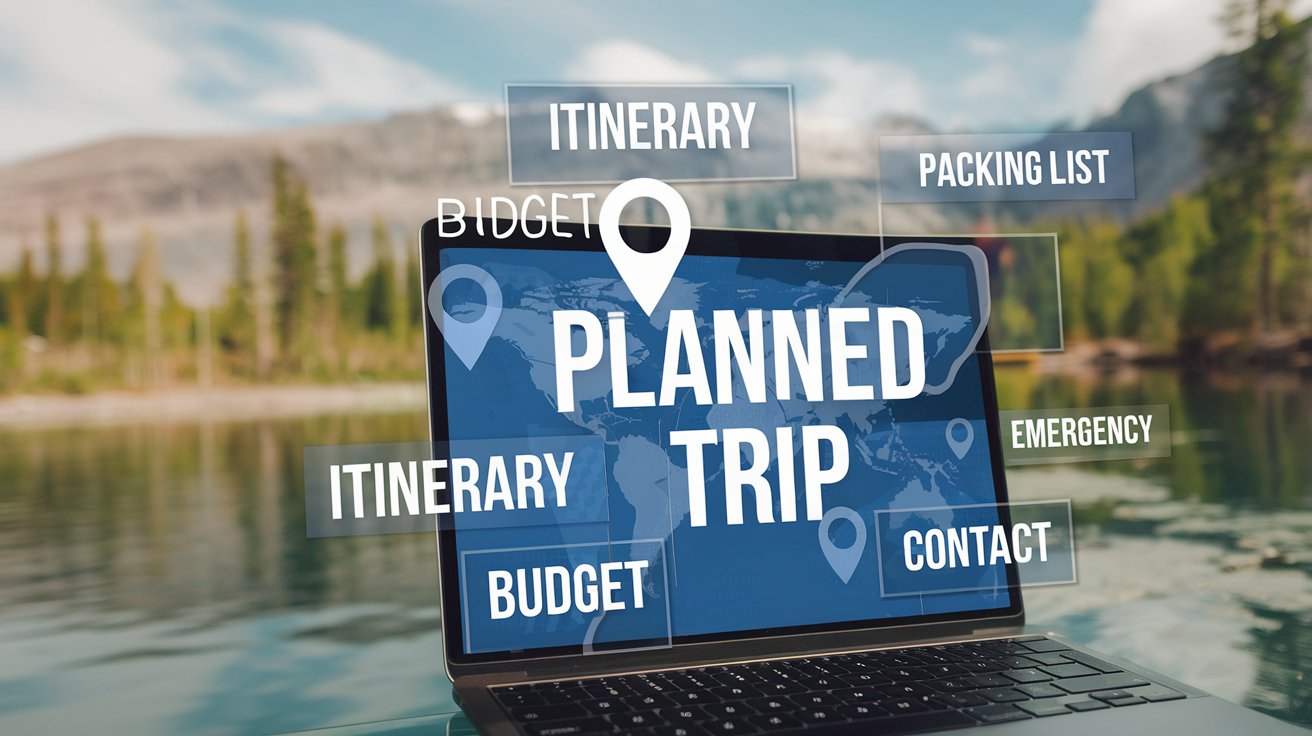
Planning a solo trip transforms from intimidating to empowering when you follow a structured approach. Whether you’re preparing for your first solo adventure or seeking to refine your travel planning skills, this comprehensive guide provides actionable strategies to create memorable experiences. From selecting destinations that match your interests to managing budgets and ensuring safety, you’ll discover everything needed to confidently embark on your solo travel journey in 2026.
Understanding Solo Travel Benefits and Mindset
Solo travel has surged in popularity across the United States, with 58% of Americans planning to take a solo trip in 2026 according to recent travel industry reports. This growing trend reflects a desire for personal growth, flexibility, and authentic cultural experiences. Traveling alone allows you to set your own pace, make spontaneous decisions, and engage more deeply with local communities without compromise. The solo travel experience builds confidence, self-reliance, and problem-solving skills that extend far beyond your journey.
Preparing mentally for solo travel for beginners requires acknowledging both excitement and nervousness as natural emotions. Many first-time solo travelers report initial anxiety about dining alone or navigating unfamiliar places, yet 89% describe their experience as transformative and empowering. Embracing the mindset that discomfort leads to growth helps you view challenges as opportunities rather than obstacles. Start by visualizing successful scenarios and remembering that millions of travelers worldwide choose solo adventures annually, creating a supportive global community of like-minded explorers.
Choosing Your Ideal Solo Travel Destination
Selecting the right destination significantly impacts your first solo trip success. Consider factors including language accessibility, safety ratings, infrastructure quality, and cultural attitudes toward solo travelers. For American travelers in 2026, destinations like Portugal, Iceland, New Zealand, and Japan consistently rank highest for solo travel beginners due to excellent public transportation, low crime rates, and welcoming locals. Domestic options including Portland, Santa Fe, and Charleston offer fantastic introductory experiences without passport requirements or significant time zone adjustments.
Research destination-specific considerations before committing to your solo trip plans. Evaluate visa requirements, vaccination recommendations, seasonal weather patterns, and cultural norms that might affect your experience. Countries with established tourist infrastructure typically provide easier navigation for first-time solo travelers, while more adventurous destinations reward experienced travelers with unique experiences. Read recent travel blogs, join solo travel Reddit communities, and consult updated State Department advisories to gather current information about your chosen location.
Creating Your Solo Travel Budget
Understanding how to plan a solo trip on a budget starts with comprehensive cost estimation across all expense categories. Calculate anticipated costs for transportation, accommodation, meals, activities, travel insurance, and emergency funds. In 2026, the average American solo traveler spends between $100-$300 daily depending on destination choice, with budget-conscious travelers successfully managing $50-$75 daily in affordable regions. Create detailed spreadsheets tracking estimated versus actual expenses to develop accurate budgeting skills for future solo adventures.
Transportation Cost Management
Transportation typically represents 25-35% of total solo trip costs. Book international flights 2-3 months in advance for optimal pricing, and consider budget airlines for shorter distances. Use flight comparison tools, set price alerts, and maintain flexibility with travel dates to secure the best deals. Within destinations, research public transportation passes, bike rental programs, and walking-friendly neighborhoods to minimize local transportation expenses. Many cities offer tourist cards combining unlimited transit with attraction discounts, providing excellent value for solo travelers planning multiple activities.
Accommodation Strategies for Solo Travelers
Finding affordable solo travel accommodation requires balancing cost, comfort, and safety priorities. Hostels remain popular for budget-conscious travelers, offering private rooms alongside shared options, with average costs ranging from $30-$60 nightly in 2026. Alternative options include vacation rentals, guesthouses, and boutique hotels offering single occupancy rates. Consider accommodation location carefully, prioritizing central neighborhoods with good public transit access and evening walkability. Many solo travelers successfully reduce costs through house-sitting platforms or extended-stay discounts when remaining in one location for a week or longer.
Essential Safety Preparations for Solo Travelers
Prioritizing safety for solo travelers involves proactive preparation rather than fearful avoidance. Share detailed itineraries with trusted contacts, including accommodation addresses, planned activities, and daily check-in schedules. Register with the Smart Traveler Enrollment Program (STEP) when traveling internationally, ensuring the U.S. Embassy can contact you during emergencies. Purchase comprehensive travel insurance covering medical emergencies, trip cancellations, and lost belongings, with policies averaging $50-$150 for two-week international trips in 2026.
Implement practical safety strategies that become second nature during your travels. Keep copies of important documents in multiple locations, including cloud storage accessible offline. Research common scams specific to your destination and learn basic phrases in the local language, including emergency terminology. Trust your intuition when situations feel uncomfortable, and don’t hesitate to remove yourself from questionable circumstances. Solo women travelers should research destination-specific safety considerations and connect with female-focused travel communities for destination-specific advice and support networks.
Packing Smart for Solo Adventures
Efficient packing for solo trips emphasizes versatility and minimalism. Choose a carry-on sized backpack or wheeled luggage to maintain mobility and avoid checked baggage fees averaging $35-$75 per flight. Pack clothing items that coordinate across multiple outfits, focusing on neutral colors and layering pieces adaptable to varying weather conditions. Include quick-dry fabrics that wash easily in sinks, reducing laundry expenses and increasing wardrobe flexibility throughout extended solo journeys.
Technology and Documentation Essentials
Prepare essential technology for solo travel including unlocked smartphones, universal power adapters, portable chargers, and backup storage devices. Download offline maps, translation apps, and entertainment content before departure. Organize digital copies of passports, visas, insurance policies, and emergency contacts in password-protected cloud storage. Carry physical photocopies separately from originals. For international solo trips, research phone plan options including international roaming packages or local SIM cards, with prepaid options typically costing $20-$50 for two weeks of service in 2026.
Health and Wellness Travel Kit
Assemble a compact health kit for solo travelers containing prescription medications with extra supplies, basic first aid items, pain relievers, antihistamines, and digestive aids. Include hand sanitizer, sunscreen, insect repellent, and any personal care items difficult to find internationally. Research destination-specific health requirements including recommended vaccinations and malaria prophylaxis where applicable. Pack medications in original containers with prescriptions to avoid customs complications during your solo travel experience.
Planning Your Solo Trip Itinerary
Creating a balanced solo trip itinerary requires flexibility alongside structure. Research top attractions, local experiences, and hidden gems specific to your destination, then prioritize based on personal interests rather than tourist popularity rankings. Allocate realistic timeframes for each activity, accounting for transportation, rest periods, and spontaneous discoveries. Successful solo travelers typically plan 60-70% of their daily schedule, leaving room for unexpected opportunities and necessary downtime to avoid burnout during extended trips.
Organize your itinerary planning using digital tools including Google Maps custom lists, TripIt, or dedicated travel planning apps. Mark accommodation locations, pre-booked activities, recommended restaurants, and backup options for weather-dependent plans. Research operating hours, admission prices, and reservation requirements for popular attractions, as many destinations in 2026 require advance booking due to capacity management. Build rest days into longer solo trips, particularly after arrival and before departure, allowing your body to adjust and process experiences without constant movement.
Connecting with Others During Solo Travel
Meeting fellow travelers and locals enhances solo trip experiences without compromising independence. Join group activities including walking tours, cooking classes, or adventure excursions where natural conversations develop around shared experiences. Stay in social accommodations like hostels offering common areas and organized events, or use apps like Meetup and Couchsurfing to connect with local communities. Many solo travelers successfully balance solitude with social interaction by choosing when and how to engage with others throughout their journey.
Leverage technology to maintain connections while building new relationships during your solo adventure. Join destination-specific Facebook groups, follow local Instagram accounts, and participate in travel forums to discover current recommendations and potential meetup opportunities. Apps like Bumble BFF and Tourlina specifically facilitate solo traveler connections, while language exchange platforms provide opportunities to meet locals interested in cultural exchange. Remember that quality interactions matter more than quantity, and some of the most memorable solo travel moments emerge from unexpected conversations in cafes, museums, or public transportation.
Navigating Solo Dining Experiences
Dining alone ranks among the top concerns for solo travel beginners, yet represents an opportunity for culinary exploration and cultural immersion. Choose counter seating at restaurants where you can watch food preparation and potentially converse with staff or fellow diners. Bring a book, journal, or phone for comfortable solo company without appearing awkward. Many solo travelers discover that dining alone becomes increasingly comfortable with practice, transforming from anxiety-inducing to genuinely enjoyable as confidence builds throughout the trip.
Explore diverse solo dining options beyond traditional restaurants. Visit local markets offering prepared foods for picnic-style meals in parks or scenic locations. Food tours provide structured social dining experiences with built-in conversation partners. Consider lunch as your main meal when restaurants feel less intimidating with higher daytime activity levels. In 2026, many establishments actively welcome solo diners, offering communal tables, chef’s counter experiences, and single-serving tasting menus designed specifically for individual guests seeking quality dining without compromise.
Managing Loneliness and Homesickness
Experiencing occasional loneliness during solo trips is completely normal and doesn’t indicate failure or poor planning. Recognize that feelings of isolation often peak during transition periods like early mornings or late evenings in unfamiliar accommodations. Combat solo travel loneliness by establishing routines providing comfort and structure, such as morning coffee rituals or evening journaling sessions. Schedule video calls with loved ones during optimal time zones, but avoid excessive digital communication that prevents full immersion in your travel experience.
Develop strategies for addressing homesickness before it intensifies. Engage in activities requiring concentration like photography, sketching, or language learning that redirect focus toward present experiences. Acknowledge difficult emotions without judgment, remembering that processing challenges builds resilience. Many experienced solo travelers report that pushing through initial discomfort leads to breakthrough moments of self-discovery and confidence. Consider shorter initial trips of 4-7 days to build comfort gradually before attempting extended solo adventures lasting multiple weeks or months.
Best Solo Trip Ideas for Different Interests
Tailoring solo trip ideas to personal interests ensures satisfying experiences matching your preferences. Adventure enthusiasts might explore Costa Rica’s national parks, New Zealand’s hiking trails, or Utah’s national park circuit. Culture seekers thrive in destinations like Kyoto, Rome, or Mexico City offering world-class museums, historical sites, and architectural wonders. Beach lovers enjoy Bali, Hawaii, or Croatia’s coastline for relaxation-focused solo getaways. Wellness travelers increasingly choose destinations like Sedona, Tulum, or Ubud specifically for yoga retreats and spiritual exploration opportunities.
Weekend Solo Getaways from Major US Cities
Americans seeking quick solo trips find excellent weekend options within short distances of major metropolitan areas. From New York, explore the Hudson Valley, Portland Maine, or Montreal for 2-3 day escapes. Los Angeles residents can reach Joshua Tree, San Diego, or Big Sur within a few hours. Chicago travelers enjoy easy access to Milwaukee, Madison, or Michigan’s wine country. These short solo trips provide perfect opportunities to practice solo travel skills without significant time or financial commitments, building confidence for longer international adventures.
Extended Solo Travel Destinations
Planning extended solo trips lasting several weeks allows deeper cultural immersion and slower travel pacing. Southeast Asia remains popular for long-term solo travelers due to affordable costs, excellent infrastructure, and vibrant backpacker communities throughout Thailand, Vietnam, and Indonesia. Solo trips to Europe benefit from efficient rail networks enabling multi-country exploration while maintaining reasonable budgets. South America offers diverse landscapes and experiences across Colombia, Peru, and Argentina for adventurous travelers seeking off-beaten-path destinations. Budget $2,500-$5,000 monthly for comfortable extended solo travel in affordable regions during 2026.
Solo Travel Mistakes to Avoid
Understanding what not to do on a solo trip prevents common pitfalls diminishing travel experiences. Avoid overpacking by strictly limiting yourself to carry-on luggage, forcing intentional item selection. Don’t skip travel insurance assuming nothing will go wrong, as medical emergencies abroad create devastating financial burdens without coverage. Resist the temptation to over-schedule every moment, as exhaustion and burnout undermine enjoyment. Many solo travelers regret failing to research basic local customs and phrases, missing opportunities for meaningful cultural exchange and occasionally causing unintended offense.
Additional solo travel mistakes include neglecting to inform others of your whereabouts, keeping all money and cards in single locations, and ignoring instincts about uncomfortable situations. Don’t broadcast solo status to strangers or share detailed travel plans publicly on social media until after leaving locations. Avoid excessive alcohol consumption that impairs judgment and situational awareness. Resist comparing your experience to curated social media representations, as authentic solo travel includes challenging moments alongside incredible highlights. Learning from others’ mistakes accelerates your development as a confident, capable solo traveler.
Documenting Your Solo Travel Experience
Capturing solo trip memories requires balancing documentation with present-moment awareness. Establish personal guidelines about phone usage and photography to avoid experiencing destinations exclusively through screens. Consider designating specific times for content creation rather than constant documentation. Many solo travelers successfully use morning or evening sessions to organize photos, write journal entries, and create social media content without interrupting daytime exploration and authentic engagement with surroundings.
Choose documentation methods matching your natural preferences and creative inclinations. Traditional journaling provides private reflection space for processing emotions and experiences. Photography allows visual storytelling while developing artistic skills. Video diaries capture dynamic moments and personal narration impossible through static images. Some solo travelers collect physical mementos including ticket stubs, postcards, or local artwork creating tangible memory collections. Regardless of chosen methods, prioritize authentic representation over perfectionism, remembering that honest documentation of both struggles and triumphs creates more meaningful long-term memories than curated highlight reels.
Related video about how to plan a solo trip
This video complements the article information with a practical visual demonstration.
Everything you need to know about how to plan a solo trip
How to plan a solo trip for beginners?
Begin by choosing a beginner-friendly destination with good infrastructure and English speakers, such as Portugal, Iceland, or domestic options like Portland. Set a realistic budget covering transportation, accommodation, food, and activities plus 20% emergency buffer. Book accommodation in central, safe neighborhoods and share your itinerary with trusted contacts. Start with a shorter trip of 5-7 days to build confidence before attempting extended solo adventures. Purchase comprehensive travel insurance and research basic safety practices specific to your destination. Join solo travel communities online to ask questions and learn from experienced travelers.
What type of trip is best to take solo?
The best solo trips align with your personal interests and comfort level. Cultural city explorations work excellently for first-time solo travelers, offering museums, cafes, and walking tours with easy navigation. Nature-focused trips including national park visits or coastal destinations provide peaceful solitude with opportunities to join group activities. Wellness retreats and yoga getaways create structured environments perfect for solo travelers seeking personal growth. Adventure trips like hiking or cycling tours offer built-in social components while maintaining independence. Choose destinations with established tourist infrastructure, good public transportation, and welcoming attitudes toward solo travelers for optimal experiences.
What not to do on a solo trip?
Avoid common solo travel mistakes including oversharing personal details with strangers, keeping all valuables in one location, and excessive alcohol consumption that impairs judgment. Don’t neglect to inform trusted contacts of your whereabouts or skip purchasing travel insurance. Avoid overpacking beyond carry-on capacity and over-scheduling every moment without rest days. Never ignore instincts about uncomfortable situations, and don’t broadcast your solo status publicly on social media with real-time location tags. Resist comparing your experience to others’ curated social media posts, and don’t attempt destinations beyond your experience level without proper preparation and research.
Where to go for your first solo trip?
Top destinations for first solo trips from the United States in 2026 include Iceland for stunning nature and excellent safety ratings, Portugal for affordable costs and friendly locals, and Japan for efficient transportation and unique culture. Domestic options like Charleston, Santa Fe, and Portland offer excellent introductions without passport requirements. New Zealand provides English-speaking comfort with adventure opportunities, while Ireland combines accessibility with rich cultural experiences. Consider factors including language barriers, safety ratings, tourist infrastructure quality, and your budget when selecting your first solo destination. Start with destinations offering established backpacker communities providing built-in social opportunities alongside independence.
How much does a solo trip typically cost?
Solo trip costs vary significantly based on destination choice, travel style, and trip duration. Budget travelers can manage $50-$75 daily in affordable destinations like Southeast Asia or Central America, while mid-range European trips typically cost $150-$250 daily including accommodation, food, activities, and local transportation. A one-week international solo trip from the United States averages $1,500-$3,000 including flights, while domestic weekend getaways range from $300-$800. Factor in pre-trip expenses including travel insurance ($50-$150), vaccinations if needed, and gear purchases. Build a 20% emergency buffer for unexpected expenses, and research destination-specific costs using budget travel blogs and recent traveler reports for accurate 2026 pricing.
Is solo travel safe for women?
Solo travel for women can be safe with proper preparation and awareness. Choose destinations with positive safety reputations for female travelers, research cultural norms regarding dress and behavior, and trust your instincts about uncomfortable situations. Stay in well-reviewed accommodations in central neighborhoods, avoid excessive alcohol consumption, and maintain regular contact with trusted friends or family. Join women-specific travel communities online to gather destination-specific advice and connect with other solo female travelers. Consider starting with group tours or guided activities to build confidence before fully independent exploration. Millions of women successfully travel solo annually, with preparation and common-sense precautions enabling empowering, transformative experiences across diverse global destinations.
| Planning Stage | Key Actions | Timeline |
|---|---|---|
| Destination Selection | Research safety ratings, costs, visa requirements, and solo traveler reviews | 3-6 months before departure |
| Budget Planning | Calculate all expenses, set savings goals, book flights and accommodation | 2-4 months before departure |
| Documentation | Verify passport validity, obtain visas, purchase travel insurance, get vaccinations | 1-3 months before departure |
| Itinerary Creation | Plan activities, book tours, research transportation options, create daily schedules | 4-8 weeks before departure |
| Packing & Preparation | Gather gear, download offline maps, arrange phone service, share itinerary | 1-2 weeks before departure |
| Final Checks | Confirm bookings, set up travel alerts, exchange currency, final packing review | 2-3 days before departure |