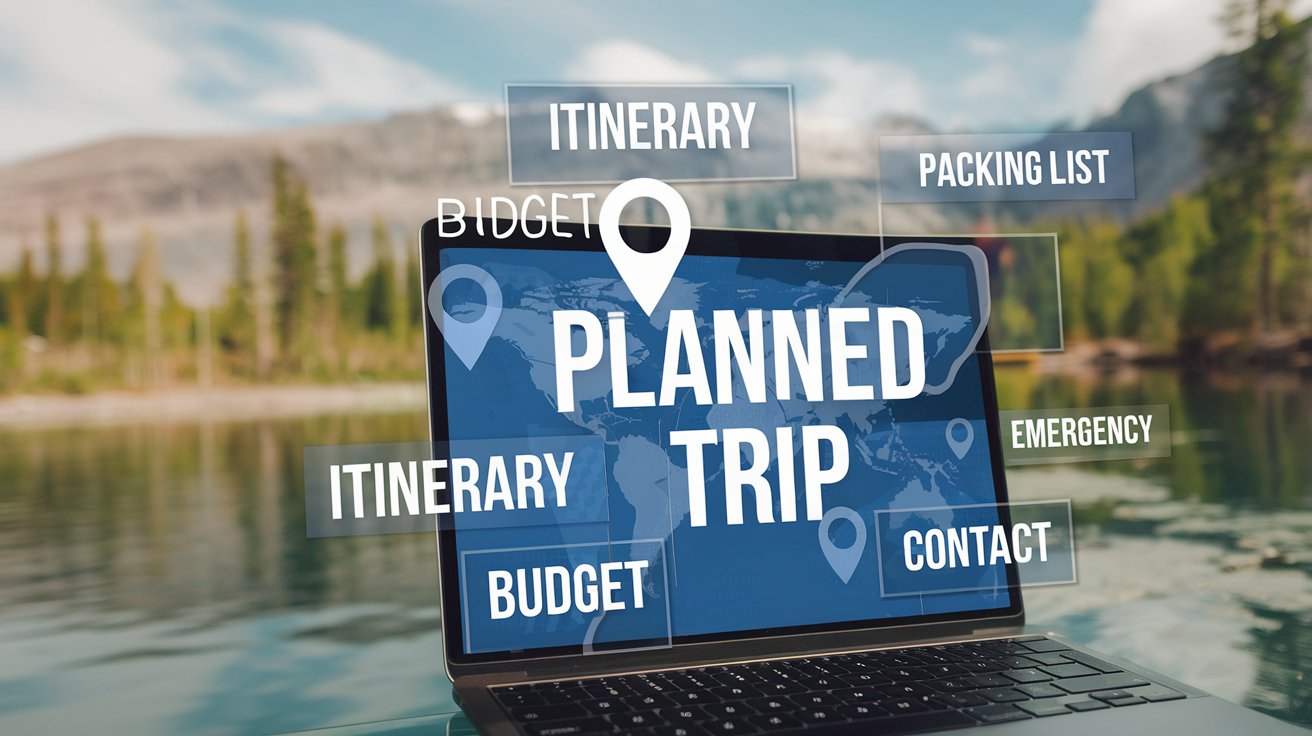
Planning a group trip requires strategic coordination, clear communication, and careful budgeting to ensure everyone enjoys the experience. Whether organizing a family reunion, friends getaway, or corporate retreat, successful group travel depends on early planning, shared decision-making, and flexible accommodation arrangements. This comprehensive guide provides actionable strategies for coordinating travel logistics, managing group finances, and creating memorable experiences that satisfy all participants in your 2026 adventure.
Essential Steps to Start Planning Your Group Trip
The foundation of successful group trip planning begins 6 to 12 months in advance, allowing sufficient time for coordination and securing favorable rates. Start by identifying a dedicated trip organizer or planning committee of 2-3 people who will handle research, communication, and booking responsibilities. According to 2026 travel industry data, groups that begin planning at least eight months early save an average of 23% on accommodation and transportation costs compared to last-minute bookings.
Create a preliminary planning timeline that includes key milestones such as destination selection (8-10 months out), deposit deadlines (6 months out), final payments (60-90 days before departure), and detailed itinerary distribution (30 days before travel). This structured approach prevents rushed decisions and ensures all participants have adequate time to arrange work schedules, secure necessary travel documents, and prepare financially for the trip.
Choosing the Perfect Destination for Your Group
Selecting a destination that accommodates diverse interests and budgets represents the most critical decision in group travel planning. Distribute a survey using Google Forms or SurveyMonkey to gather input on preferred activities, budget constraints, mobility considerations, and travel style preferences. In 2026, popular United States group destinations include Orlando, Florida for family-friendly attractions, Austin, Texas for cultural experiences and nightlife, and Gatlinburg, Tennessee for outdoor adventures and cabin accommodations.
Consider destinations offering diverse activity options that appeal to different age groups and interests within your party. National parks like Yellowstone and Zion provide outdoor exploration opportunities alongside comfortable lodge accommodations, while urban destinations like Nashville or San Diego combine cultural attractions, dining diversity, and entertainment venues. Evaluate accessibility factors including flight availability to nearby airports, ground transportation options, and accommodation proximity to major attractions to minimize logistical complications.
Establishing a Realistic Group Trip Budget
Creating a transparent and comprehensive budget framework prevents financial conflicts and ensures all participants understand total costs before committing. Break down expenses into clear categories including transportation, accommodation, meals, activities, and a contingency fund of 10-15% for unexpected costs. According to 2026 travel statistics, the average cost per person for a week-long domestic group trip in the United States ranges from $1,200 to $2,500, depending on destination and accommodation style.
Implement a cost-sharing system using specialized apps like Splitwise, Settle Up, or Tricount that automatically calculate individual contributions and track shared expenses throughout the trip. Establish payment deadlines and methods early, with initial deposits due 4-6 months before departure and final payments 60-90 days out. Consider creating a dedicated group bank account or using payment platforms like Venmo or Zelle to streamline money collection and disbursement for shared expenses.
Breaking Down Cost Categories
Transportation typically represents 30-40% of total group trip costs, including flights, rental vehicles, or charter bus services. Book flights as a group when possible to secure adjacent seating, though individual bookings may offer better pricing flexibility. For groups of 8 or more traveling by car, van rentals from Enterprise or Budget average $150-300 daily in 2026, plus fuel costs of approximately $200-400 for week-long trips depending on distance.
Accommodation expenses account for 25-35% of the budget, with options ranging from vacation rental properties averaging $300-800 nightly for groups of 10-15 people, to hotel block rates offering 10-20% discounts when booking 5 or more rooms. Activity and excursion costs vary significantly by destination but typically comprise 15-20% of the total budget, while dining represents the remaining 10-15% with strategic planning combining restaurant meals and self-catered options.
Managing Deposits and Payment Collection
Implement a structured payment schedule that collects funds progressively rather than requesting full amounts upfront, reducing financial burden on participants. Request non-refundable deposits of 20-30% when securing initial bookings, followed by a second installment of 40-50% at the 90-day mark, and final payments 30-45 days before departure. This approach aligns with standard cancellation policies and maintains cash flow for organizers handling group reservations.
Clearly communicate refund policies and cancellation deadlines in writing to all participants, establishing whether deposits are transferable to alternate attendees if someone cannot travel. Create a shared budget tracking spreadsheet accessible to all travelers showing paid amounts, outstanding balances, and how collected funds are allocated across different expense categories, maintaining transparency and accountability throughout the planning process.
Selecting Ideal Group Accommodations
Accommodation selection significantly impacts group dynamics and overall trip satisfaction, with vacation rental properties offering the most cost-effective and socially conducive option for groups of 8-20 people. Platforms like Vrbo, Airbnb, and Vacasa feature filters for large groups, providing entire homes with multiple bedrooms, shared living spaces, and full kitchens that reduce dining costs by 30-40% compared to eating all meals at restaurants. Properties averaging $400-700 nightly accommodate 10-12 guests at approximately $35-60 per person.
When booking hotels for larger groups exceeding 20 people, negotiate group rates directly with hotel sales departments rather than booking online, typically securing 15-25% discounts plus complimentary breakfast or meeting space. Request room blocks with a flexible attrition clause allowing cancellation of 10-20% of rooms without penalty up to 30 days before arrival. Properties with suite configurations, connecting rooms, and group-friendly amenities like conference rooms and breakfast areas enhance coordination and social interaction.
Vacation Rental Considerations
Prioritize properties with clear sleeping arrangements specified in listings, verifying actual bed counts rather than property capacity that may include sleeper sofas or air mattresses. Book properties featuring at least one bathroom per 4-5 guests to prevent morning congestion, and ensure adequate common spaces including dining areas seating the entire group and outdoor gathering spaces like patios or decks.
Review rental policies carefully regarding guest limits, noise restrictions, parking availability, and additional fees for cleaning or service charges that can add 15-25% to base rates. Read recent reviews specifically from other group travelers, noting comments about property accuracy, neighborhood noise levels, and responsiveness of property managers. Secure rental insurance through providers like CSA Travel Protection or Generali covering trip cancellation and property damage, costing 5-7% of total rental fees.
Hotel Block Booking Strategies
Contact hotel group sales departments 6-9 months before travel dates to negotiate custom group rates and amenities unavailable through standard booking channels. Request complimentary room upgrades for organizers, flexible check-in times, discounted parking rates, and dedicated meeting spaces for group planning sessions. Hotels typically require minimum commitments of 10 room nights but offer 15-20% discounts off standard rates for groups meeting this threshold.
Establish a courtesy block with a pickup deadline 30-45 days before arrival, allowing participants to book individually while securing group pricing. This approach prevents organizers from assuming financial liability for unreserved rooms while maintaining rate advantages. Provide attendees with unique booking codes or links tracking individual reservations against the total block, and monitor pickup rates weekly to adjust block sizes if necessary.
Creating an Effective Group Itinerary
Balance structured group activities with individual free time when designing your travel itinerary, recognizing that different participants have varying energy levels and interest areas. Plan 1-2 major group activities daily such as guided tours, excursions, or dining experiences, leaving mornings or afternoons flexible for smaller subgroups to explore independently. Survey participants about must-do activities versus optional experiences, creating a core itinerary everyone commits to alongside optional activities requiring separate signups.
Utilize collaborative planning tools like Google Sheets for itinerary templates, Travefy for professional trip plans, or GroupTrip for all-in-one coordination combining schedules, budgets, and communication. Share itineraries digitally at least two weeks before departure, including specific addresses, reservation confirmation numbers, meeting times and locations, and contact information for activity providers. Build in buffer time of 15-30 minutes between scheduled activities accounting for group size and movement logistics.
Activity Selection and Booking
Research group-friendly activities offering discounted rates for parties of 10 or more, with many attractions providing 10-15% savings and dedicated group entrance times avoiding general public crowds. Popular group activities in 2026 include private food tours ($75-120 per person), guided hiking excursions ($50-85 per person), cooking classes ($90-150 per person), and adventure activities like zip-lining or whitewater rafting ($80-180 per person).
Book activities requiring reservations 60-90 days in advance, particularly for popular experiences during peak travel seasons. Confirm group size minimums and cancellation policies, noting whether partial refunds are available if participants drop out. Create a shared sign-up sheet for optional activities allowing participants to opt in while meeting minimum group requirements, and designate activity captains responsible for coordinating meeting times and managing headcounts for specific excursions.
Scheduling Group Meals
Plan 50-60% of meals as group dining experiences while allowing flexibility for independent meals based on individual preferences and budgets. Research restaurants accommodating large parties, making reservations 30-45 days ahead for groups of 10 or more and requesting semi-private dining areas or separate checks to simplify payment. Many restaurants offer prix fixe group menus at $35-60 per person including appetizers, entrees, and desserts, streamlining ordering and expediting service.
Consider catered meals at vacation rentals for 2-3 dinners during week-long trips, reducing costs to $25-40 per person while providing relaxed social time. Services like Cater2.me or local catering companies deliver prepared meals requiring minimal setup. Coordinate breakfast arrangements through grocery delivery services like Instacart or Amazon Fresh, stocking rental properties with coffee, breakfast items, and snacks costing $15-20 per person for the week.
Transportation and Logistics Planning
Coordinate group transportation carefully to prevent delays and ensure everyone arrives at activities simultaneously. For groups traveling by air, book flights arriving within 2-3 hours of each other when possible, arranging shared airport transfers through services like SuperShuttle or private charter companies costing $20-35 per person for groups of 10-15. Rental car agencies offer 15-passenger vans at $200-350 daily in 2026, though multiple standard vehicles may provide better fuel efficiency and flexibility for split activities.
Create a detailed transportation schedule outlining daily departure times, meeting locations, and designated drivers rotating throughout the trip. Use apps like Waze or Google Maps to share real-time locations and estimated arrival times, particularly when groups split for different activities. Establish a communication protocol using group messaging through WhatsApp, GroupMe, or Signal for coordinating pickups, reporting delays, and managing last-minute schedule changes.
Communication and Coordination Tools
Implement robust communication systems ensuring all participants receive timely updates and can easily ask questions throughout planning and travel. Create a dedicated group chat using WhatsApp, GroupMe, or Slack serving as the primary communication channel, establishing guidelines about appropriate message frequency and urgent versus informational content. Supplement real-time chat with weekly email updates during planning phases covering booking deadlines, payment reminders, and packing recommendations.
Utilize comprehensive group trip planning websites like GroupTrip, TripIt, or Travefy centralizing itineraries, budgets, documents, and communication in single platforms accessible to all participants. These tools cost $0-30 monthly for premium features and eliminate information scattered across multiple email threads and chat conversations. Share a master planning document through Google Drive or Dropbox containing important information including accommodation addresses, emergency contacts, activity confirmation numbers, and group roster with participant phone numbers.
Digital Planning Templates and Spreadsheets
Download free group trip planning templates from sites like Template.net, Vertex42, or create custom Google Sheets tracking budgets, itineraries, packing lists, and participant information. Effective templates include dedicated tabs for expense tracking with automatic per-person calculations, daily schedules with activity details and costs, and task assignments distributing planning responsibilities among multiple organizers.
Implement collaborative features allowing all participants to update their payment status, indicate activity preferences, and add personal information like dietary restrictions or mobility considerations. Color-code spreadsheet sections for visual clarity, using green for completed payments, yellow for pending items, and red for overdue tasks. Share template editing permissions with 2-3 core organizers while giving view-only access to remaining participants preventing accidental modifications to critical planning data.
Establishing Communication Guidelines
Set clear expectations about communication response times and decision-making processes preventing frustration and ensuring timely planning progress. Require responses to critical questions regarding payments or activity commitments within 48-72 hours, using deadline reminders and follow-up messages for non-responders. Establish voting procedures for major decisions like destination selection or accommodation choices, setting thresholds like 60-70% agreement to move forward rather than requiring unanimous consensus.
Designate specific roles including a primary organizer managing overall coordination, a treasurer handling financial tracking, an activities coordinator researching and booking excursions, and a communications manager sending updates and reminders. Clearly define decision-making authority for the organizing committee on time-sensitive matters while consulting the broader group for significant choices affecting budget or itinerary. Schedule monthly video calls during planning phases using Zoom or Google Meet for complex discussions requiring real-time conversation rather than lengthy text exchanges.
Managing Different Travel Styles and Expectations
Acknowledge that group members have varying travel preferences regarding activity intensity, spending habits, and social interaction, requiring compromise and flexibility for harmonious trips. Conduct a preferences survey early in planning covering topics like typical wake-up times, preferred activity types (adventure versus relaxation), dining style (casual versus upscale), and desired balance between group time and independent exploration. Use this data to structure an itinerary accommodating diverse needs rather than assuming everyone shares identical travel approaches.
Build flexibility into your schedule allowing participants to opt out of specific activities without social pressure or financial penalties when possible. Create optional early morning excursions for active travelers, midday free time for those preferring leisurely pace, and evening group dinners bringing everyone together. Establish a buddy system pairing travelers with similar interests for optional activities, ensuring no one feels excluded while respecting that forced participation in every activity can create tension within groups.
Preparing for Multi-Generational Family Trips
Family trips spanning multiple generations require additional consideration for varying mobility levels, activity preferences, and childcare needs. Select accessible accommodations with first-floor bedrooms or elevator access for elderly family members, and child-safe features like pool fences, stair gates, and outlet covers when traveling with young children. According to 2026 family travel trends, 42% of multi-generational trips include three or more generations, with successful trips balancing adult activities, child-friendly attractions, and opportunities for elders to engage with grandchildren.
Plan diverse activities appealing to different age groups, mixing active excursions for younger participants with cultural experiences and scenic viewing opportunities for less mobile family members. Popular multi-generational destinations include national parks offering both challenging hikes and accessible viewpoints, beach resorts with children’s programs and spa facilities, and cities like San Antonio or Charleston combining historical sites with family attractions. Schedule dedicated grandparent-grandchild time, adult-only evenings, and all-family gatherings creating varied interaction opportunities.
Coordinating Childcare and Family Logistics
Research destinations offering childcare services allowing parents occasional adult time without burdening other family members with babysitting duties. Many resorts provide kids’ clubs at $50-100 daily per child, while services like Care.com or UrbanSitter connect families with vetted local babysitters charging $18-25 hourly in most United States markets. Coordinate rotating childcare among family members for evening activities, ensuring no single couple bears disproportionate responsibility.
Pack strategically for children including favorite snacks, entertainment options for travel days, and comfort items reducing stress in unfamiliar environments. Create a shared packing list covering essentials like medications, baby gear, and child-specific items preventing last-minute scrambles. Discuss parenting approach differences proactively with extended family regarding bedtimes, discipline methods, and dietary rules, establishing boundaries respectfully to prevent conflicts during the trip.
Accommodating Mobility and Health Considerations
Verify that accommodations and planned activities can accommodate family members with mobility limitations or health conditions requiring special considerations. Request detailed property information about stairs, bathroom configurations, and distance from parking areas when booking vacation rentals. Research activity providers offering wheelchair accessibility or modified experiences for participants with physical limitations, and maintain flexible schedules allowing for rest periods and medication management.
Compile a comprehensive medical information sheet for all participants including emergency contacts, current medications, allergies, and insurance information accessible to trip organizers. Identify nearby urgent care facilities and pharmacies at your destination, and ensure adequate supplies of prescription medications plus several days extra in case of travel delays. Consider purchasing travel insurance with medical coverage for family members over 65 or those with pre-existing conditions, costing 7-10% of trip expenses but providing crucial financial protection.
Planning Trips with Friends: Special Considerations
Friend group trips require different dynamics management than family travel, with greater emphasis on shared decision-making and equitable financial arrangements. Establish a planning committee approach rather than single organizer model, distributing responsibilities for accommodation research, activity booking, and financial tracking among 3-4 friends preventing burnout and ensuring buy-in from all participants. According to 2026 travel psychology research, friend groups of 6-10 people report highest satisfaction rates, while groups exceeding 12 face increased coordination challenges and social friction.
Address potentially sensitive topics like budget disparities and couple dynamics early in planning, creating tiered accommodation options allowing budget-conscious friends to share rooms while others choose private spaces. Discuss whether significant others are invited and how their presence affects group dynamics and costs. Plan activities with varying price points, designating some experiences as optional to prevent friends with tighter budgets from feeling pressured into uncomfortable spending.
Handling Conflicts and Last-Minute Changes
Establish clear conflict resolution processes before departure, designating a neutral mediator and creating guidelines for addressing disputes about schedule changes, spending, or interpersonal tensions. Encourage direct communication between affected parties rather than allowing grievances to spread through the group, and schedule mid-trip check-ins allowing participants to voice concerns before they escalate. According to group travel specialists, 68% of trip conflicts arise from unclear financial expectations or communication breakdowns, both preventable through proactive planning.
Build contingency plans for common disruptions including flight delays, weather-related cancellations, or participant illness. Purchase travel insurance through providers like Allianz, Travel Guard, or World Nomads covering trip cancellation, medical emergencies, and travel delays, costing 5-10% of total trip expenses. Review policy coverage carefully, noting that standard plans may not cover pre-existing conditions or cancellations due to work obligations. Create backup activity lists and maintain schedule flexibility allowing real-time adjustments without derailing the entire itinerary.
Final Preparations and Pre-Trip Coordination
Conduct a comprehensive final check 2-3 weeks before departure ensuring all bookings are confirmed and participants have necessary information. Compile a master trip document including flight confirmations, accommodation addresses with check-in procedures, activity reservation numbers, emergency contact information, and daily schedules distributed digitally and in printed format. Verify that all participants have valid identification for domestic travel and that anyone requiring special accommodations has communicated needs to relevant service providers.
Host a pre-trip virtual meeting 1-2 weeks before departure reviewing final itinerary details, discussing packing recommendations, confirming transportation arrangements, and addressing last-minute questions. Create a shared packing list covering destination-specific items like hiking boots for mountain trips or beach gear for coastal destinations, plus group supplies like first aid kits, phone chargers, and entertainment options for travel days. Establish day-of departure logistics including airport meeting points, final participant headcounts, and communication protocols for coordinating arrivals at your destination.
Related video about how to plan a group trip
This video complements the article information with a practical visual demonstration.
Key Questions and Answers
How far in advance should you plan a group trip?
Begin planning your group trip 6-12 months in advance to secure optimal accommodation rates and ensure all participants can arrange schedules. Groups of 10 or more should start planning 8-12 months early, particularly for peak season travel or popular destinations where availability becomes limited. Early planning provides time for collecting deposits, coordinating schedules, and making informed decisions without pressure. According to 2026 travel industry data, groups booking 8+ months in advance save an average of 23% on total costs compared to those planning 3 months or less before departure.
What is the best website for group trip planning?
The most effective group trip planning websites in 2026 include GroupTrip for comprehensive coordination combining itineraries, budgets, and communication; Travefy for professional-quality trip plans with mobile apps; and Google Sheets for customizable budget tracking and schedule templates. For payment management, Splitwise and Settle Up excel at tracking shared expenses and calculating individual contributions. Most successful trip organizers use a combination of tools: collaborative planning platforms for itineraries, dedicated payment apps for financial tracking, and group messaging services like WhatsApp or GroupMe for real-time communication. Free options work well for groups under 12 people, while larger groups benefit from premium features costing $20-30 monthly.
What is the average cost of a group travel package?
The average cost per person for organized group travel packages in the United States ranges from $1,200 to $2,500 for week-long domestic trips in 2026, depending on destination, accommodation style, and included activities. Budget-conscious groups spending $1,200-1,600 per person typically stay in vacation rentals or standard hotels with self-catered meals and free activities. Mid-range packages at $1,600-2,000 include comfortable accommodations, mix of dining options, and several paid excursions. Premium packages exceeding $2,000 per person feature upscale hotels, most meals at restaurants, and multiple guided activities. International group packages average $3,000-5,500 per person including airfare, with all-inclusive resort options ranging from $2,500-4,000 weekly depending on destination and season.
How to plan a trip for 20 people?
Planning a trip for 20 people requires establishing a 3-4 person organizing committee, starting 10-12 months in advance, and utilizing professional coordination tools. Begin by surveying all participants about budget constraints, preferred destinations, and scheduling availability. Book accommodations early through vacation rental companies specializing in large properties (sleeping 16-20) or negotiate hotel room blocks directly with sales departments. Create detailed shared budgets using collaborative spreadsheets, collecting deposits 6 months before travel and final payments 60-90 days out. Split the group into subteams of 5-7 people for transportation and some activities, maintaining flexibility while coordinating shared experiences. Utilize group messaging platforms, schedule weekly planning calls, and designate specific roles including overall coordinator, treasurer, activities manager, and communications director to distribute workload effectively.
What are the golden rules for successful group travel?
The four golden rules for group travel include establishing clear financial expectations upfront with transparent budgets and payment deadlines; maintaining open communication through dedicated channels and regular updates; building flexibility into itineraries allowing individual free time alongside group activities; and respecting diverse travel styles without pressuring universal participation in every event. Successful groups designate organized leadership distributing planning responsibilities, set realistic timelines beginning 6-12 months before departure, and create decision-making frameworks balancing group consensus with efficient planning. Additional crucial practices include purchasing appropriate travel insurance, confirming all bookings 2-3 weeks before departure, and establishing conflict resolution processes before tensions arise during the trip.
How do you manage money and expenses on a group trip?
Manage group trip finances effectively by establishing a transparent budget shared with all participants, collecting funds in installments (30% deposit, 40% at 90 days, 30% final payment), and using expense-tracking apps like Splitwise or Settle Up for real-time cost sharing. Create a dedicated payment method such as group Venmo account or shared travel fund managed by the treasurer, maintaining detailed records of all deposits and expenditures. Decide upfront whether to split all costs equally or allow individuals to opt out of specific activities, and clarify policies regarding alcohol, optional excursions, and personal purchases. During the trip, designate one person to manage daily shared expenses, photographing receipts and updating the tracking app immediately. Settle final balances within one week after returning home while memories are fresh and documentation is readily available.
| Planning Phase | Key Actions | Timeline | Expected Outcome |
|---|---|---|---|
| Initial Planning | Form organizing committee, survey participants, select destination | 10-12 months before | Clear group consensus and planning foundation |
| Budget & Booking | Create detailed budget, collect deposits, book accommodations | 6-8 months before | Secured reservations with 20-25% cost savings |
| Activity Planning | Research and book group activities, create itinerary, arrange transportation | 3-4 months before | Balanced schedule with confirmed reservations |
| Final Coordination | Collect final payments, distribute detailed itinerary, confirm all bookings | 30-60 days before | All participants informed and financially committed |
| Pre-Departure | Final group meeting, review logistics, establish communication protocols | 1-2 weeks before | Coordinated departure with clear expectations |