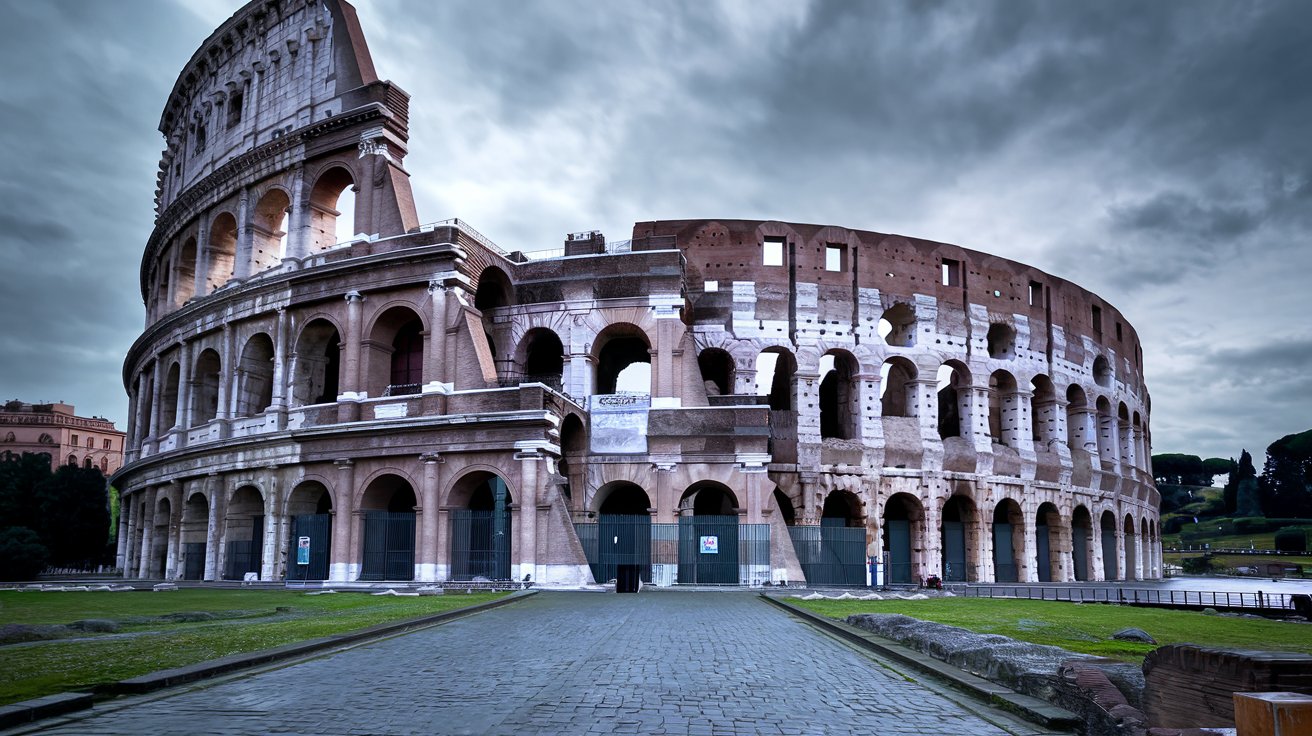
Planning a trip to Italy from the United States requires strategic preparation to maximize your experience while managing costs and logistics. This comprehensive guide walks you through every essential step of creating your Italy itinerary, from initial budgeting to final bookings. Whether you’re planning your first time trip to Italy or returning for another adventure, understanding the planning process ensures a smooth, memorable journey through one of Europe’s most captivating destinations.
Start With Your Italy Trip Vision and Timeline
Before booking anything, define what type of Italy experience you want. Are you drawn to Renaissance art in Florence, ancient ruins in Rome, coastal beauty along the Amalfi Coast, or romantic canals in Venice? Your interests should shape your entire itinerary. Most US travelers visiting Italy in 2026 choose between 7 to 14 days, with 10 days being the sweet spot for first-time visitors. This duration allows you to experience three to four major destinations without feeling rushed.
Consider the best time to visit Italy based on your preferences. Spring (April-May) and fall (September-October) offer ideal weather with fewer crowds and moderate prices. Summer brings peak tourism and higher costs, while winter provides budget-friendly options but colder temperatures. Your timeline affects everything from flight prices to hotel availability, so establishing these parameters first creates a solid foundation for all subsequent planning decisions.
Build a Realistic Italy Trip Budget
Understanding the average cost of a trip to Italy helps set realistic expectations. For US travelers in 2026, a moderate 10-day Italy trip typically costs between $3,500 and $6,000 per person, including flights, accommodations, meals, activities, and local transportation. Budget travelers can manage with $2,500 to $3,500, while luxury experiences easily exceed $8,000 to $12,000 per person.
Your Italy trip budget should include several key categories. Round-trip flights from major US cities to Rome or Milan range from $600 to $1,400 depending on season and booking timing. Mid-range hotels average $120 to $200 per night, while budget options like hostels or Airbnbs cost $50 to $100 nightly. Daily food expenses run $40 to $80 per person for sit-down meals, with cheaper options available at cafes and markets. Budget $15 to $25 daily for local transportation and $20 to $50 per major attraction or museum entry.
Breaking Down Your Italy Budget by Category
Create a detailed budget breakdown with breathing room for unexpected expenses. Allocate approximately 30-35% to flights, 35-40% to accommodations, 20-25% to food and dining, and 10-15% to activities and transportation. Many travelers ask, is $10,000 enough for a trip to Italy? For two people taking a 10-day trip, $10,000 provides a comfortable mid-range experience with occasional splurges on special dining or private tours.
Factor in hidden costs that catch travelers off guard. Travel insurance typically adds $100 to $200 per person but protects against cancellations and medical emergencies. International transaction fees from credit cards can add 2-3% to purchases unless you use cards with no foreign transaction fees. Tipping in Italy is less expected than in the US, but budget small amounts for exceptional service. Include a contingency fund of 10-15% of your total budget for spontaneous experiences or emergencies.
Money-Saving Strategies for Italy Travel
Learning how to plan a trip to Italy on a budget doesn’t mean sacrificing quality experiences. Book flights 2-3 months in advance for optimal pricing, and consider flying into one city and out of another to maximize itinerary efficiency. Stay in locally-owned guesthouses or agriturismos (farm stays) for authentic experiences at lower costs than chain hotels. Eat your main meal at lunch when restaurants offer prix-fixe menus at significantly reduced prices compared to dinner.
Purchase a combined museum pass in cities like Rome or Florence to save 30-40% on entry fees while skipping long ticket lines. Travel between cities using regional trains instead of high-speed options when time permits, saving 40-60% on transportation. Shop at local markets and supermarkets for breakfast supplies and snacks rather than dining out for every meal. These strategies allow budget-conscious travelers to experience Italy authentically while keeping costs manageable.
Choose Your Italy Base Cities Strategically
Selecting fewer base cities than you initially think prevents the exhausting pace of constant packing and checking in. First-time visitors often try cramming in five or six cities, spending more time traveling than experiencing. Instead, choose two to four strategic bases and take day trips to nearby destinations. This approach provides deeper immersion in each location while maintaining flexibility and reducing accommodation costs.
For a 7-day Italy itinerary, focus on two cities such as Rome and Florence, with a possible day trip to Tuscany or Pompeii. A 10-day Italy itinerary comfortably accommodates three bases like Rome, Florence, and Venice, or Rome, Amalfi Coast, and Florence. A 14-day Italy itinerary allows four bases with more extensive exploration, perhaps adding Milan, Cinque Terre, or Sicily to the classic Rome-Florence-Venice route.
Classic Italy Itinerary Combinations
The Rome-Florence-Venice triangle remains the most popular route for first-time visitors, offering the perfect blend of ancient history, Renaissance art, and romantic ambiance. Spend 3-4 days in Rome exploring the Colosseum, Vatican, and Trevi Fountain, then 2-3 days in Florence for the Uffizi Gallery and Duomo, finishing with 2 days in Venice for canal exploration and St. Mark’s Square. This combination requires minimal backtracking and efficient train connections between cities.
Alternative Italy itinerary options cater to different interests. Food and wine enthusiasts might choose Bologna, Tuscany, and Piedmont. Coastal lovers could focus on Amalfi Coast, Cinque Terre, and Sicily. History buffs might select Rome, Pompeii, and Matera. Each combination offers distinct experiences while maintaining manageable travel distances. Consider your primary interests when selecting base cities rather than trying to see everything in one trip.
Using Day Trips to Maximize Your Italy Experience
Strategic day trips from base cities expand your Italy experience without constant hotel changes. From Rome, visit Pompeii and the Amalfi Coast, Tivoli’s Villa d’Este, or medieval hill towns like Orvieto. Florence serves as the perfect base for exploring Tuscany, including Siena, San Gimignano, and Chianti wine country. From Venice, day-trip to colorful Burano, glassmaking Murano, or the romantic city of Verona.
Organized tours simplify day trip logistics by handling transportation and providing expert guides, though independent travel using regional trains offers more flexibility and lower costs. Most popular day trips from major Italian cities take 1-3 hours each way, providing 4-6 hours of exploration time at your destination. This strategy allows you to maintain a comfortable home base while experiencing Italy’s incredible diversity of landscapes, histories, and cultures.
Plan Your Daily Pace Thoughtfully
Resist the temptation to schedule every hour of every day. Successful Italy trip planning includes generous downtime for spontaneous discoveries, rest, and simple pleasures like lingering over coffee in a piazza. Many US travelers accustomed to fast-paced sightseeing find that Italy’s greatest magic happens during unplanned moments: stumbling upon a local festival, discovering a hidden trattoria, or watching sunset over Florence from a quiet hillside.
Structure each day with one major activity or sight, one moderate activity, and plenty of buffer time. For example, spend morning at the Vatican Museums, have a leisurely lunch, then stroll through Trastevere neighborhood in the late afternoon. This pace prevents museum fatigue and allows genuine absorption of Italy’s artistic and cultural treasures. Remember that Italian businesses often close for several hours in the afternoon, making this ideal time for rest or light exploration.
Balancing Must-See Sights With Authentic Experiences
Your Italy itinerary should blend iconic landmarks with authentic local experiences. Yes, see the Colosseum and David sculpture, but also attend a cooking class, browse neighborhood markets, or join locals for aperitivo hour. These authentic experiences often create the most lasting memories and provide insight into contemporary Italian life beyond historical monuments.
Allocate time for cultural immersion activities that connect you with Italian traditions. Take a pasta-making workshop in Bologna, visit a family-owned vineyard in Tuscany, or join a guided food tour through a local neighborhood. These experiences typically cost $50 to $150 per person but provide deeper understanding and memorable interactions. Balance your days between structured sightseeing and flexible exploration time to capture both Italy’s famous treasures and its everyday magic.
Managing Energy and Avoiding Burnout
Jet lag from the 6-9 hour time difference between the United States and Italy affects most travelers for 2-3 days. Plan lighter activities for your first full day, avoiding major museum visits that require sustained concentration. Schedule your most important sights for days 3-5 when you’re fully acclimated. Build in a complete rest day every 4-5 days, especially on longer trips, where you sleep in, enjoy a long meal, and simply wander without agenda.
Recognize that travel fatigue accumulates from constant stimulation, walking 15,000+ steps daily, and irregular eating schedules. Italian cities feature extensive cobblestone streets and limited air conditioning, adding physical demands. Listen to your body and adjust plans accordingly. It’s better to fully enjoy fewer experiences than rush through dozens feeling exhausted and overwhelmed. Your trip should energize rather than exhaust you.
Master Italy’s Transportation System
Italy’s transportation network is more accessible than many US travelers expect. High-speed trains connect major cities quickly and comfortably, with Rome to Florence taking 90 minutes and Rome to Venice requiring 3.5 hours. Regional trains serve smaller towns at lower costs but slower speeds. Book high-speed train tickets 1-2 months in advance through Trenitalia or Italo for the best fares, typically ranging from $30 to $80 per journey.
Within cities, public transportation includes metros, buses, and trams operating on affordable ticket systems. Rome and Milan have extensive metro networks, while Florence is compact and walkable. Purchase multi-day transport passes if you’ll use public transit frequently, saving money compared to individual tickets. Most historic city centers prohibit cars, making walking the primary navigation method. Comfortable shoes are essential as you’ll walk several miles daily on uneven cobblestones.
Deciding Whether to Rent a Car in Italy
Renting a car makes sense for exploring Tuscany, Umbria, or rural regions where public transportation is limited. However, avoid cars in major cities where traffic is chaotic, parking expensive and scarce, and many historic centers are restricted to residents only. If you rent a car, do so for the rural portion of your trip, picking up the vehicle as you leave the city and dropping it before entering your next urban destination.
International driving in Italy requires specific documentation and understanding of local rules. You need your US driver’s license, an International Driving Permit (available from AAA for $20), and insurance coverage. Italy’s ZTL (Limited Traffic Zones) in historic centers trigger automatic fines of $100-200 if entered without authorization. Gas prices in 2026 average $7-8 per gallon, significantly higher than US prices. Rental cars cost $40-80 daily for economy models, plus highway tolls and parking fees.
Booking Trains and Managing Tickets
Understanding Italy’s train system ensures smooth travel between cities. High-speed Frecciarossa, Frecciargento, and Italo trains require reservations and assigned seating, while regional trains operate with flexible tickets valid for any train on your travel date. Download the Trenitalia and Italo apps for easy booking, ticket storage, and real-time updates. Validate regional train tickets in yellow machines before boarding to avoid fines.
Train stations in major cities can be overwhelming for first-time visitors. Arrive 20-30 minutes before departure to find your platform (often announced 10-15 minutes before departure), locate your car number, and board comfortably. First-class tickets cost 30-50% more but offer larger seats, fewer crowds, and complimentary snacks. Standard second-class provides perfectly comfortable travel for most journeys. Keep tickets accessible as conductors check them during travel.
Book Essential Elements Early
Certain components of your Italy trip require early booking to secure availability and optimal pricing. Book international flights 2-4 months in advance for the best combination of price and schedule options. Reserve accommodations in popular cities like Rome, Florence, and Venice at least 6-8 weeks before travel, particularly during peak seasons (April-June and September-October) when hotels fill quickly.
Popular attractions requiring timed entry should be booked weeks in advance. The Vatican Museums, Uffizi Gallery in Florence, and Last Supper viewing in Milan sell out days or weeks ahead, especially during peak season. Borghese Gallery in Rome limits visitors to 360 every two hours and requires advance booking. Cooking classes, wine tours, and special dining experiences at renowned restaurants also need early reservations. Booking these elements 4-8 weeks ahead ensures you don’t miss signature experiences.
Accommodation Strategies for Italy
Choose accommodation locations strategically to maximize convenience and experience. In Rome, stay near Termini Station for easy train access or in Trastevere for authentic neighborhood ambiance. Florence’s Oltrarno district offers local flavor across the river from tourist crowds. Venice’s Dorsoduro or Cannaregio neighborhoods provide Venetian charm at lower prices than San Marco area.
Different accommodation types suit different travel styles and budgets. Hotels offer consistency and amenities, averaging $120-250 nightly for mid-range options in major cities. Airbnb apartments provide kitchens and local neighborhood experiences at $80-180 nightly. Agriturismos (farm stays) in rural areas cost $90-150 and include breakfast, offering authentic Italian countryside immersion. Hostels serve budget travelers at $30-60 per bed with opportunities to meet fellow travelers.
Skip-the-Line Tickets and Guided Tours
Investing in skip-the-line tickets saves hours of waiting at popular attractions. Standard Vatican Museums entry involves 2-3 hour waits during peak season, while skip-the-line tickets cost an additional $10-15 but grant nearly immediate entry. Similarly, Uffizi Gallery and Colosseum skip-the-line access transforms your experience by reclaiming hours for exploration rather than queuing.
Guided tours provide context and insight that enhance your understanding of Italy’s art and history. A knowledgeable guide at the Vatican or Colosseum brings ancient stones to life with stories, historical context, and details you’d miss independently. Small group tours cost $80-150 per person for half-day experiences, while private tours run $200-400 but offer personalized pacing and focus. For complex sites with centuries of history, guided tours often justify their cost through educational value and time efficiency.
Essential Practical Preparations
Successful Italy travel preparation includes several practical elements. Ensure your passport is valid for at least six months beyond your travel dates, though Italy only requires three months validity. US citizens don’t need visas for stays under 90 days within the Schengen Area. Starting in 2026, US travelers need ETIAS (European Travel Information and Authorization System) authorization, a simple online application costing approximately $8 and valid for three years.
Notify your bank and credit card companies of your international travel dates to prevent fraud blocks on your cards. Bring at least two different credit cards in case one encounters issues. While credit cards are widely accepted in cities, smaller towns and family restaurants may prefer cash. ATMs provide the best exchange rates, so withdraw euros as needed rather than exchanging currency before departure. Inform your phone carrier about international plans or consider purchasing an Italian SIM card for data access.
Packing Smart for Italian Travel
Pack versatile, comfortable clothing suitable for walking and dining. Italy leans more formal than typical US casual style, so avoid athletic wear for sightseeing and dining. Bring comfortable walking shoes that you’ve already broken in, as you’ll walk 5-8 miles daily on cobblestones and uneven surfaces. A light daypack carries water, snacks, and purchases while keeping hands free.
Churches and religious sites require modest dress, meaning covered shoulders and knees. Carry a light scarf or shawl to cover up when needed. Italy’s electrical outlets use 230-volt Type L plugs, requiring adapters for US devices. Most modern electronics like phones and laptops handle voltage conversion automatically, but check hair dryers and other appliances. Pack any prescription medications in original containers with extra supplies in case of delays.
Travel Insurance and Health Considerations
Comprehensive travel insurance protects your investment against cancellations, medical emergencies, and travel disruptions. Policies typically cost 4-8% of your total trip cost, covering medical expenses, trip cancellation, lost luggage, and emergency evacuation. US health insurance rarely covers international medical care, making travel insurance particularly important. Compare policies carefully, ensuring coverage includes COVID-19 related cancellations and medical care.
Italy has excellent healthcare facilities, but medical care can be expensive for tourists. Pharmacies (farmacie) identified by green crosses provide over-the-counter medications and advice for minor ailments. For emergencies, dial 112 for immediate assistance. Bring adequate supplies of prescription medications, as obtaining refills abroad can be complicated. Consider travel insurance with 24/7 assistance hotlines that help locate English-speaking doctors if needed.
Cultural Insights and Local Etiquette
Understanding Italian cultural norms enhances your experience and interactions with locals. Italians typically greet with a handshake or cheek kisses among friends, value personal relationships over efficiency, and appreciate attempts to speak Italian even if imperfect. Learn basic phrases like “buongiorno” (good morning), “grazie” (thank you), “per favore” (please), and “scusi” (excuse me) to show respect.
Italian dining customs differ significantly from American practices. Cappuccino is a breakfast drink, rarely ordered after 11 AM. Meals are leisurely affairs lasting 1-2 hours, not to be rushed. Wait to be seated at restaurants rather than seating yourself. Service is attentive but not hovering; signal the server when ready to order or receive the check. Tipping is appreciated but not obligatory, with 5-10% being generous for excellent service.
Shopping and Market Experiences
Italian shopping offers unique treasures from leather goods in Florence to Murano glass in Venice. Weekly markets in most towns sell fresh produce, cheese, and local specialties at better prices than tourist shops. Avoid heavily touristed areas for genuine quality and value. Negotiate politely at markets and smaller shops, though prices are fixed in established stores.
Be aware of tourist shopping traps near major attractions. Leather goods require verification of authentic Italian production, as many items are imported and misrepresented. VAT refunds apply to purchases over approximately €155 for non-EU residents, requiring specific paperwork and customs validation when departing. Save receipts and allow extra time at the airport for VAT refund processing if making significant purchases.
Safety and Common Scams to Avoid
Italy is generally safe for tourists, but pickpocketing and tourist scams occur in crowded areas and on public transportation. Keep valuables secure in front pockets or hidden pouches, stay alert in crowds, and be cautious of distraction techniques. Common scams include friendship bracelet sellers who demand payment after placing items on your wrist, fake petition signers who pickpocket while you’re distracted, and taxi drivers who take circuitous routes or claim meters are broken.
Practice standard travel safety precautions by being aware of surroundings, avoiding deserted areas at night, and keeping copies of important documents separate from originals. Most Italians are genuinely helpful, but be skeptical of overly friendly strangers near tourist sites who may be working scams. Trust your instincts; if a situation feels uncomfortable, remove yourself politely but firmly.
Using Technology to Enhance Your Italy Trip
Essential travel apps simplify navigation and communication in Italy. Google Maps works excellently for walking directions and public transit routing. Download offline maps for areas where data access may be limited. Translation apps like Google Translate help decipher menus and signs, with camera translation functions particularly useful. Trenitalia and Italo apps manage train bookings and provide real-time platform information.
Restaurant discovery apps like TheFork and Yelp help locate authentic dining beyond tourist traps, though asking locals for recommendations often yields the best results. Money management apps track spending in euros and calculate dollar conversions. Consider using Google Photos or similar services to backup vacation photos automatically, protecting memories if your phone is lost or damaged.
What I Wish I Knew Before Going to Italy
Experienced travelers consistently share lessons learned from their Italy trips. They wish they’d packed lighter, as cobblestones and stairs make wheeling heavy luggage challenging. They recommend reserving more time in fewer places rather than rushing through many destinations. They suggest learning basic Italian phrases, which locals genuinely appreciate despite widespread English knowledge in tourist areas.
Travelers emphasize embracing spontaneity rather than rigid schedules. Some of Italy’s best experiences happen unplanned: discovering a neighborhood sagra (food festival), chatting with a winemaker, or finding a hidden church with breathtaking frescoes. They recommend eating where locals eat, usually away from major piazzas, for better food at lower prices. Most importantly, they wish they’d relaxed more and stressed less, trusting that travel hiccups become the stories you tell for years.
Related video about how to plan a trip to italy
This video complements the article information with a practical visual demonstration.
Frequently Asked Questions
Is $10,000 enough for a trip to Italy?
Yes, $10,000 is sufficient for two people taking a comfortable 10-day trip to Italy in 2026, or one person enjoying a more luxurious 14-day experience. This budget covers round-trip flights from the United States ($1,200-2,800 for two), mid-range accommodations at $120-200 nightly ($1,200-2,000 total), daily meals averaging $60-100 per person ($1,200-2,000), attraction tickets and activities ($600-1,000), and local transportation ($300-500). With careful planning and booking in advance, this amount provides a quality Italian experience with occasional splurges on special dining or unique tours while maintaining a comfortable travel pace.
How do you plan a first-time trip to Italy?
Start by choosing 2-3 base cities rather than trying to see everything, with Rome, Florence, and Venice being the classic first-timer combination. Book flights 2-4 months in advance and reserve accommodations 6-8 weeks before travel. Create a flexible daily itinerary with one major sight per day and plenty of downtime. Reserve timed-entry attractions like the Vatican Museums and Uffizi Gallery several weeks ahead. Plan for 7-10 days minimum to experience Italy without feeling rushed. Research transportation options between cities, with trains being the most efficient for popular routes. Purchase travel insurance, ensure passport validity, and notify banks of travel dates before departing.
What is the average cost of a trip to Italy in 2026?
The average cost for a 10-day Italy trip from the United States ranges from $3,500 to $6,000 per person for a mid-range experience in 2026. This includes round-trip flights ($600-1,400), accommodations averaging $120-200 nightly ($1,200-2,000 total), daily food expenses of $40-80 per person ($400-800), attraction entries and activities ($300-600), and local transportation ($200-400). Budget travelers can reduce costs to $2,500-3,500 by staying in hostels, eating at markets, and using regional trains, while luxury travelers easily spend $8,000-12,000 per person with upscale hotels, private tours, and fine dining experiences.
What I wish I knew before going to Italy?
Most travelers wish they’d known to pack lighter, book major attractions in advance, and plan fewer destinations with more time in each place. They recommend learning that Italian meals are leisurely experiences lasting 1-2 hours, cappuccinos are only for breakfast, and many businesses close for afternoon riposo. Understanding that authentic experiences happen away from major tourist piazzas, comfortable walking shoes are essential for cobblestone streets, and trains connect cities efficiently would have improved their planning. They also wish they’d known to embrace flexibility, as spontaneous discoveries often become the trip’s highlights, and to prioritize quality experiences over checking boxes on a lengthy sightseeing list.
How many days do you need for an Italy trip?
A minimum of 7 days allows you to experience two Italian cities like Rome and Florence with a more relaxed pace. Ten days is ideal for first-time visitors, comfortably accommodating three cities such as Rome, Florence, and Venice with day trips to surrounding areas. Fourteen days enables deeper exploration of four regions or cities, perhaps adding the Amalfi Coast, Tuscany, or northern Italy to the classic route. Shorter trips of 4-5 days work for focused city breaks but require choosing a single destination like Rome. For comprehensive Italy exploration including both major cities and countryside experiences, plan for 14-21 days to avoid constant rushing between destinations.
Should I book tours or explore Italy independently?
A balanced approach works best for most travelers, combining guided tours for complex historical sites with independent exploration for neighborhoods and daily experiences. Book guided tours for the Vatican Museums, Colosseum, and Uffizi Gallery where expert context significantly enhances understanding of art and history. These tours cost $80-150 per person but save hours of waiting and provide educational value that’s difficult to replicate independently. Explore neighborhoods, markets, cafes, and smaller churches on your own for authentic interactions and spontaneous discoveries. Food tours and cooking classes offer wonderful guided experiences, while day-to-day activities like shopping, dining, and wandering work better independently at your own pace.
| Planning Phase | Key Actions | Timeline |
|---|---|---|
| Initial Research | Define trip vision, choose 2-4 base cities, establish budget and duration | 4-6 months before |
| Major Bookings | Book flights, reserve accommodations, purchase travel insurance | 2-4 months before |
| Detailed Planning | Reserve timed-entry attractions, book special tours, plan daily itinerary | 6-8 weeks before |
| Transportation | Book high-speed train tickets between cities, research local transit options | 4-6 weeks before |
| Final Preparations | Verify passport validity, apply for ETIAS, notify banks, download apps | 2-4 weeks before |
| Pre-Departure | Pack appropriately, confirm all reservations, print essential documents | 1 week before |