Planning a trip to Greece requires strategic preparation to maximize your Mediterranean experience while managing costs effectively. This comprehensive guide walks you through every essential step, from selecting the best time to visit Greece to crafting perfect itineraries for 7, 10, or 14-day adventures. Whether you’re a first-time visitor or planning a Greece and Italy combined trip, you’ll find actionable advice tailored for travelers from the United States in 2026.
When to Plan Your Greece Trip: Timeline and Best Months
The ideal planning timeline for Greece begins 4-6 months before your departure, especially if traveling during peak season from June through August. For US travelers in 2026, booking flights and accommodations by February for summer travel ensures better rates and availability. The shoulder seasons of April-May and September-October offer exceptional value with pleasant weather, fewer crowds, and hotel rates 30-40% lower than peak summer prices.
Greece experiences distinct seasonal patterns that dramatically affect your experience. Summer temperatures in Athens and the islands regularly exceed 90°F (32°C), while spring and fall maintain comfortable 70-80°F (21-27°C) ranges. Winter visits from November through March work beautifully for mainland exploration and archaeological sites, though many island hotels and restaurants close during this period. April and May showcase wildflowers across the countryside, making them particularly photogenic months for first-time visitors.
Budget Planning: Understanding Greece Trip Costs for 2026
The average cost of a Greece trip from the United States ranges from $2,800-$5,500 per person for a 10-day vacation in 2026, depending on accommodation choices and island selections. This budget typically includes roundtrip flights ($800-$1,400), mid-range hotels ($100-180 per night), meals ($40-70 daily), inter-island ferries ($30-80 per route), and activities. Budget-conscious travelers can reduce costs to $1,800-2,500 by staying in guesthouses, eating at tavernas, and traveling during shoulder season.
Breaking down daily expenses helps create realistic budgets. Accommodation represents the largest variable, with Athens hotels averaging $120-200 nightly for quality three-star properties in Plaka or Monastiraki neighborhoods. Popular islands like Santorini and Mykonos command premium rates of $180-350 per night, while less-touristed islands such as Naxos, Paros, or Milos offer excellent value at $80-140 nightly. Meals in Greece remain reasonably priced, with traditional taverna dinners costing $15-25 per person and casual lunches around $10-15.
Creating a Greece Trip Budget Breakdown
Effective budget planning for Greece requires itemizing major expense categories. Flights from major US cities to Athens in 2026 range from $800 during off-season to $1,400 in summer peak periods. Internal Greek transportation varies significantly: domestic flights between Athens and islands cost $60-120, while ferries provide economical alternatives at $30-80 per route. Car rentals on larger islands like Crete or Rhodes run $35-60 daily, offering flexibility for exploring beyond main towns.
Food and beverage costs remain moderate compared to Western European destinations. A typical day’s meals include breakfast at hotels or cafes ($8-12), lunch at casual spots ($12-18), and dinner at tavernas ($20-35). Wine and beer prices stay reasonable at $4-7 per glass. Activities and entrance fees add $15-30 daily, with major archaeological sites like the Acropolis charging €20 ($21) and many museums at €10-15 ($11-16). Building a 15-20% buffer above calculated expenses accounts for spontaneous experiences and shopping.
Money-Saving Strategies for Greece Travel
Implementing strategic cost-saving measures can reduce Greece trip expenses by 30-40% without sacrificing quality. Book flights 2-3 months in advance and consider positioning flights through European hubs like Frankfurt or Paris, which occasionally offer better rates than direct Athens routes. Traveling during April-May or September-October immediately cuts accommodation costs while delivering superior weather compared to scorching July-August heat.
Island-hopping strategies significantly impact budgets. Rather than visiting expensive Santorini and Mykonos exclusively, incorporate value-rich islands like Naxos, Paros, or Milos into itineraries. These alternatives provide authentic Greek experiences, stunning beaches, and charming villages at 40-50% lower costs. Ferry travel instead of flights saves money while adding scenic maritime experiences. Purchasing ferry tickets directly through Greek ferry company websites avoids third-party booking fees of $5-10 per ticket.
Crafting Your Perfect Greece Itinerary
Successful Greece itinerary planning balances mainland historical sites with island relaxation, avoiding the common mistake of attempting too many destinations. First-time visitors should focus on 3-4 locations maximum for a 10-day trip, allowing 2-3 nights per destination to genuinely experience each place. The classic combination pairs Athens (3 nights) with two Cycladic islands, while extended 14-day itineraries can incorporate Crete or venture to the Peloponnese mainland.
Geography plays a crucial role in logical routing. The Cycladic island chain in the Aegean Sea offers convenient ferry connections between popular destinations. A efficient 10-day route might follow: Athens → Paros → Naxos → Santorini → Athens, utilizing sequential ferry routes rather than backtracking. Alternatively, combining Athens with Crete provides diverse experiences from urban energy to beach villages and mountain towns. Understanding ferry schedules and flight availability between locations prevents logistical frustrations.
7-Day Greece Itinerary for First-Time Visitors
A week-long Greece itinerary for first-timers optimally divides time between Athens and one or two islands. Spend the initial 2-3 nights in Athens exploring the Acropolis, Ancient Agora, Acropolis Museum, and vibrant neighborhoods like Plaka and Psyrri. This provides essential historical context before transitioning to island life. Morning flights or early ferries maximize your first island day rather than losing hours to afternoon travel.
For the remaining 4-5 days, choose either a single island for deep exploration or a two-island combination. Santorini alone offers sufficient attractions for 4 nights with caldera sunsets, archaeological sites at Akrotiri, wine tours, and beach towns like Perissa. Alternatively, split time between two islands such as Mykonos (2 nights) and Santorini (2 nights), though this requires additional ferry travel. The slower pace of one island often proves more relaxing for first visits compared to constant packing and transportation.
10-Day Greece Trip Itinerary Options
Ten days provides ideal duration for experiencing Greece’s diversity without excessive rushing. A popular 10-day Greece itinerary allocates 3 nights Athens, 3 nights first island, 3 nights second island, with travel days built into this structure. Begin in Athens for historical immersion, then ferry to Paros for authentic Cycladic charm with excellent beaches and the beautiful Naoussa harbor. Continue to Santorini for iconic caldera views and sunset experiences before flying back to Athens.
Alternative 10-day routings cater to different interests. Beach enthusiasts might choose Athens (2 nights) → Naxos (3 nights) → Milos (3 nights) → Athens (1 night), emphasizing stunning coastlines and traditional villages. History-focused travelers could dedicate extra Athens time for day trips to Delphi or Mycenae, then visit one island like Crete for Minoan palace sites. The key involves realistic travel time expectations, as ferry journeys between islands consume 2-5 hours depending on routes and vessel types.
14-Day Extended Greece Itinerary
Two weeks unlocks opportunities for comprehensive Greece exploration combining multiple regions. A balanced 14-day itinerary might structure as: Athens (3 nights) → Crete (4 nights) → Santorini (3 nights) → Naxos (2 nights) → Athens (1 night). This routing incorporates mainland urban culture, Greece’s largest and most diverse island, the iconic Cycladic destination, and a quieter island alternative. Flying to Crete rather than ferrying saves time given the 7-8 hour boat journey.
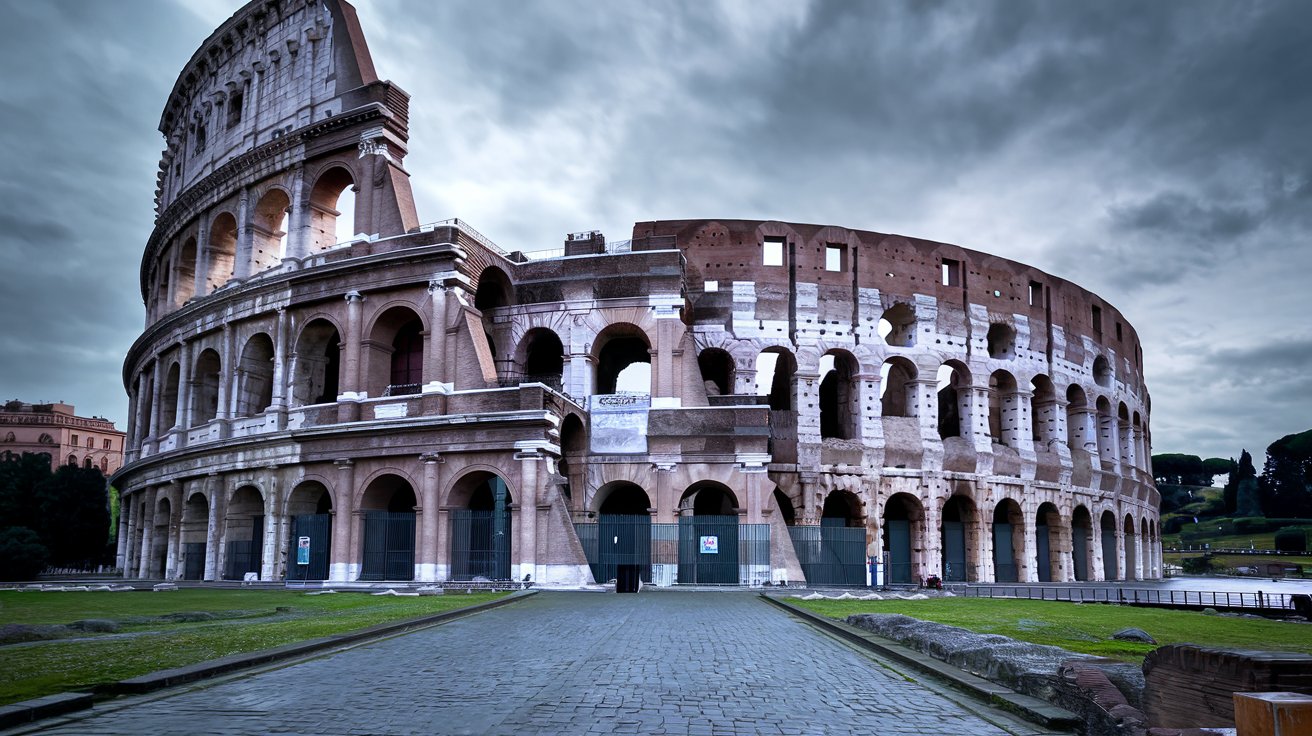
Adventurous travelers can use 14 days to combine Greece and Italy, though this requires careful planning to avoid excessive transit time. One effective approach dedicates 8-9 days to Greece (Athens and two islands), then flies to Rome or Venice for 4-5 days of Italian experiences. Budget an extra $200-300 per person for the inter-country flight. Alternatively, remain in Greece and explore mainland Peloponnese destinations like Nafplio, Olympia, and the Mani Peninsula, offering dramatically different landscapes and fewer international tourists.
Getting to Greece and Transportation Between Destinations
Major US airports offer direct flights to Athens from New York (JFK), Newark, Philadelphia, Chicago, and Washington DC during peak season, with flight times of 9-11 hours. These non-stop services operate primarily from May through October via airlines including Delta, United, and American. Winter travel typically requires one connection through European hubs like London, Paris, Frankfurt, or Istanbul, adding 2-4 hours to total journey time but sometimes offering lower fares.
Once in Greece, transportation between destinations depends on your routing. Inter-island ferries represent the primary connection method in the Aegean, with multiple daily services linking popular islands during summer months. Fast ferries complete routes like Santorini to Mykonos in 2-3 hours, while conventional ferries take 4-5 hours at lower prices. Ferry frequency drops significantly in winter, with some routes operating only 2-3 times weekly. Domestic flights through Olympic Air and Sky Express provide quick alternatives, particularly for longer distances like Athens to Rhodes or Crete.
Booking Flights to Greece from the United States
Securing optimal flight prices to Athens requires monitoring rates 3-4 months before departure, with the best deals typically emerging during airline sales in January-February for summer travel. Round-trip flights from East Coast cities range $800-1,100 during shoulder season and $1,100-1,600 in peak July-August periods. West Coast travelers from Los Angeles, San Francisco, or Seattle face longer journeys with mandatory connections, with total travel times of 15-18 hours and fares $900-1,500.
Consider arriving in Athens but departing from a different city if your itinerary ends near another international airport. Open-jaw tickets (flying into Athens, out of Thessaloniki or even Rome) often cost only $50-100 more than round-trip Athens fares while eliminating backtracking. Use flight search tools to compare multi-city options. Book directly with airlines when possible to simplify any necessary changes, as third-party booking sites often charge $50-100 modification fees plus airline change costs.
Ferry Travel Between Greek Islands
The Greek ferry network connects dozens of islands through an extensive but sometimes complex system. Major ferry companies including Blue Star Ferries, SeaJets, and Golden Star Ferries operate different vessels and routes, with schedules published approximately 2-3 months in advance. Book ferry tickets 2-4 weeks before travel during peak season to ensure availability on preferred departure times, particularly for popular routes like Santorini-Mykonos or Athens (Piraeus)-Santorini.
Ferry options divide into conventional and high-speed categories with significant price and comfort differences. High-speed ferries cost 40-60% more but cut travel time substantially, operating modern catamaran-style vessels with airline-style seating. Conventional ferries offer outdoor deck space, cafeterias, and more economical fares, making them ideal for budget travelers and those who enjoy the maritime journey. Always arrive at ferry ports 30-45 minutes before departure, as vessels maintain strict schedules and won’t wait for late passengers.
Choosing Where to Stay in Greece
Accommodation selection dramatically influences your Greece experience and budget. Athens neighborhoods each offer distinct atmospheres: Plaka provides tourist-friendly convenience near the Acropolis with pedestrian streets and tavernas, while Monastiraki delivers more authentic urban energy with flea markets and nightlife. Kolonaki caters to upscale preferences with designer shopping and refined restaurants, and Psyrri attracts younger travelers with bars and street art culture.
Island accommodation decisions involve choosing between main towns and quieter coastal areas. Staying in primary towns like Fira (Santorini), Mykonos Town, or Naxos Chora offers walking access to restaurants, shops, and nightlife without requiring rental vehicles. Beach-area hotels provide tranquil settings and direct sea access but often necessitate cars or taxis for evening dining and sightseeing. Consider splitting your island time between both options, spending initial nights in towns for orientation then moving to beach hotels for relaxation.
Hotel vs. Apartment Rentals in Greece
Traditional hotels dominate Greek tourism, offering reliable service standards, daily housekeeping, and concierge assistance valuable for first-time visitors navigating language and local customs. Three and four-star hotels in Athens and major islands provide excellent value at $120-220 nightly with breakfast, air conditioning, and strategic locations. Boutique hotels in restored neoclassical buildings or Cycladic-style properties deliver authentic architectural experiences with modern amenities.
Apartment and villa rentals through platforms like Vrbo or local agencies suit longer stays and families seeking more space. Self-catering accommodations reduce dining costs by enabling breakfast and lunch preparation using local market ingredients. Particularly on islands, apartments often include terraces or balconies perfect for sunset drinks. However, rentals require more research to ensure quality and accurate locations, as some listings misrepresent distances to town centers or beaches. Read recent reviews carefully and communicate clearly with hosts about check-in procedures.
Best Areas to Stay in Popular Greek Islands
Santorini accommodation strategy depends on budget and priorities. Fira and Oia deliver the iconic caldera views and sunset experiences but command premium prices ($250-600 nightly for quality hotels). More economical alternatives exist in Firostefani (walking distance to Fira with similar views), Imerovigli (quieter caldera access), or the eastern side towns like Kamari and Perissa offering beach proximity and restaurants at 40-50% lower costs without caldera views.
Mykonos Town provides the quintessential Cycladic maze of whitewashed alleys, designer boutiques, and legendary nightlife, but noise levels challenge light sleepers during peak season. Alternative areas include Ornos (family-friendly with beach clubs and restaurants), Platis Gialos (organized beach with water sports), and Agios Ioannis (quieter with Shirley Valentine fame). Naxos offers exceptional value with beautiful Chora (main town) hotels at $80-140 nightly, while beach villages like Agios Prokopios and Plaka provide resort-style relaxation at similar prices.
Essential Greece Travel Logistics and Documentation
US citizens visiting Greece for tourism require a passport valid for at least six months beyond departure date, though no visa is necessary for stays under 90 days within a 180-day period. This falls under Schengen Area regulations affecting all EU countries. Ensure your passport has blank pages for entry and exit stamps. Standard tourist entries at Athens International Airport involve minimal questioning, though officials may ask about accommodation reservations and return flight details.
Travel insurance provides crucial protection for Greece trips, particularly given the $15,000-50,000 costs of emergency medical evacuation to the United States if serious health issues arise. Comprehensive travel insurance policies costing $80-150 for 10-day trips cover medical emergencies, trip cancellation, lost baggage, and travel delays. Given Greece’s ferry-dependent transportation between islands, weather-related delays occasionally occur, making trip delay coverage particularly valuable for tight return flight connections.
Health and Safety Considerations for Greece
Greece maintains excellent safety standards with very low violent crime rates affecting tourists. Petty theft in crowded areas like Athens metro, Monastiraki flea market, and busy island towns requires standard precautions: secure valuables in front pockets or bags, avoid displaying expensive jewelry, and remain aware of surroundings in tourist zones. Pickpockets occasionally work popular sites including the Acropolis and Plaka neighborhood during peak season.
Health infrastructure in Greece meets high European standards in major cities and islands, though remote smaller islands may have limited medical facilities. Athens hospitals include English-speaking doctors, and tourist areas maintain pharmacies stocked with familiar over-the-counter medications. Summer heat poses the primary health concern, with dehydration and heat exhaustion affecting visitors unaccustomed to Mediterranean temperatures. Drink water constantly, wear sunscreen (SPF 30+ minimum), seek shade during 11am-3pm peak sun hours, and pace sightseeing to avoid heat-related illness.
Current Warnings and Travel Advisories
The US State Department maintains a Level 1 (Exercise Normal Precautions) advisory for Greece as of 2026, the lowest warning category indicating minimal risk for American travelers. No significant terrorism threats target tourist areas, and political demonstrations in Athens remain peaceful and confined to specific squares easily avoided. Greeks generally harbor positive attitudes toward American visitors, and English proficiency in tourism areas ensures easy communication.
Specific concerns for 2026 include occasional ferry strikes during summer months when labor disputes arise, potentially disrupting island-hopping plans by 24-48 hours. Build flexibility into tight itineraries, particularly before international flight departures. Wildfires occasionally affect Greece during July-August heat waves, primarily impacting forested mainland areas rather than tourist islands. Monitor local news and hotel staff advice if traveling during extreme heat periods. Tap water remains safe to drink in Athens and major islands, though many visitors prefer bottled water due to mineral taste differences.
What to Pack for Your Greece Trip
Strategic packing for Greece depends on season and planned activities. Summer travelers need lightweight, breathable clothing in natural fabrics like cotton and linen that manage intense heat and humidity. Women should pack sundresses, shorts, tank tops, and a light cardigan for air-conditioned restaurants and ferries. Men need shorts, short-sleeve shirts, and one pair of long pants for upscale restaurants. Both should include comfortable walking shoes with support for cobblestone streets and archaeological sites, plus flip-flops or sandals for beaches and casual wear.
Spring and fall shoulder season visitors require layering options for variable temperatures ranging from cool mornings (55-65°F) to warm afternoons (70-80°F). Pack light sweaters, long-sleeve shirts, and a windbreaker or light jacket for breezy ferry rides. Winter mainland travelers need heavier jackets, though Greece’s mild Mediterranean climate rarely requires heavy winter coats even in December-February. Essential accessories include quality sunglasses, wide-brimmed hats for sun protection, reef-safe sunscreen (protecting marine environments), and a crossbody bag or daypack for sightseeing.
Greek Islands Selection Guide: Finding Your Perfect Match
Greece encompasses over 200 inhabited islands, making island selection crucial for trip satisfaction. The Cycladic islands in the Aegean Sea include famous destinations like Santorini, Mykonos, Paros, and Naxos, characterized by white-washed architecture, blue-domed churches, and dramatic coastal landscapes. These islands suit first-time visitors seeking classic Greek imagery and well-developed tourism infrastructure. The Ionian islands off the western coast (Corfu, Kefalonia, Zakynthos) offer greener landscapes, Venetian architecture influences, and slightly cooler summer temperatures.
Crete deserves special consideration as Greece’s largest island, essentially functioning as a destination unto itself rather than a quick island stop. Its size enables 5-7 day focused itineraries exploring the Samaria Gorge, Minoan palaces at Knossos and Phaistos, Venetian harbors in Chania and Rethymno, and numerous beaches. Rhodes in the Dodecanese offers medieval Old Town charm combined with beach resorts and ancient archaeological sites. Less-touristed islands like Milos, Sifnos, Folegandros, and Symi provide authentic experiences with fewer crowds at lower prices.
Santorini: Iconic Views and Volcanic Landscapes
Santorini delivers the quintessential Greek island experience through its dramatic volcanic caldera, cliff-top villages, and legendary sunsets viewed from Oia. The island’s crescent shape resulted from a massive volcanic eruption around 1600 BCE, creating the submerged caldera and steep cliffs now lined with hotels and restaurants. Beyond scenery, Santorini offers archaeological significance at Akrotiri (a Bronze Age city preserved by volcanic ash), unique black and red sand beaches, and excellent wineries producing distinctive volcanic-soil wines.
Plan minimum 2-3 nights to properly experience Santorini without constant rushing. Stay at least one night in caldera-view accommodations to justify the island’s premium prices, then consider moving to more economical eastern side towns if extending your visit. Book restaurants for sunset dining months in advance during peak season. Visit Oia for sunset views (arrive by 6:30pm for good vantage points), explore Fira’s clifftop path, swim at Red Beach or Perissa, and tour 2-3 wineries in the island’s interior. Despite crowds and high prices, Santorini’s unique geology and beauty justify its popularity.
Mykonos: Beaches, Nightlife, and Cycladic Charm
Mykonos built its reputation on glamorous beach clubs, world-class nightlife, and LGBTQ+-friendly atmosphere while maintaining traditional Cycladic architecture in its maze-like town center. The island attracts a younger, more party-oriented demographic than most Greek destinations, with famous clubs like Cavo Paradiso hosting international DJs during summer months. However, Mykonos also offers family-friendly beaches, excellent restaurants serving Mykonian specialties, and proximity to archaeological treasure Delos island.
Balance Mykonos experiences between active beach clubs and quieter traditional areas. Paradise and Super Paradise beaches deliver full party atmosphics with DJs, drinks, and dancing, while Agios Sostis and Fokos beaches provide tranquil swimming in beautiful settings. Mykonos Town (Chora) deserves extensive exploration, wandering through Little Venice waterfront, visiting iconic windmills, and photographing countless whitewashed churches. Take the 30-minute boat trip to Delos, considered Apollo’s birthplace and one of Greece’s most significant archaeological sites. Mykonos works best for 2-3 nights, as its compact size and high prices make longer stays less compelling than other islands.
Alternative Islands: Naxos, Paros, and Milos
Naxos represents the best overall value in the Cyclades, combining beautiful beaches, traditional mountain villages, ancient sites, and agricultural landscapes producing excellent cheese and kitron liqueur. As the largest Cycladic island, Naxos offers diverse experiences from the Venetian-influenced Chora to Apiranthos mountain village’s marble streets to endless sandy beaches along the western coast. Accommodation and dining costs run 30-40% below Santorini and Mykonos while maintaining quality standards.
Paros delivers quintessential Cycladic beauty without overwhelming tourism found on more famous neighbors. Its two main towns present different characters: Parikia (port town) offers convenient ferry connections and budget accommodations, while Naoussa charms visitors with its picturesque fishing harbor, seafood restaurants, and boutique hotels. Paros’s central Cycladic location makes it an ideal base for day trips to nearby islands including Antiparos and Naxos. Milos attracts geology enthusiasts and beach lovers with its volcanic landscape creating over 70 beaches, many accessible only by boat. The colorful fishing village of Klima with its traditional boat houses provides Instagram-worthy photo opportunities rivaling Santorini at fraction of the cost.
Exploring Athens: Essential Sights and Neighborhoods
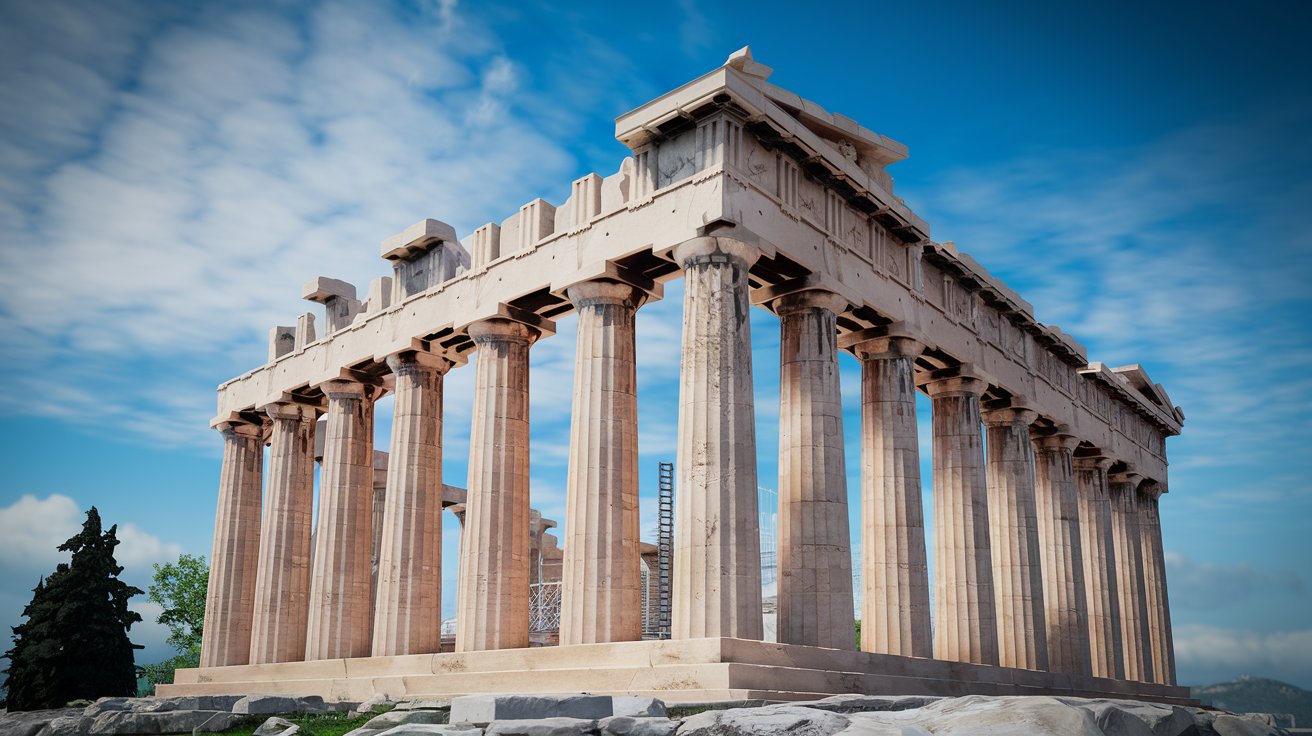
Athens requires minimum 2-3 days for essential historical sites and neighborhood exploration. The Acropolis complex dominates any Athens itinerary, demanding 2-3 hours for the Parthenon, Erechtheion, Propylaea, and Temple of Athena Nike. Visit during early morning (8-9am opening) or late afternoon (after 4pm) to avoid peak crowds and midday heat. The Acropolis Museum at the hill’s base deserves equal time, displaying original sculptures and friezes in climate-controlled galleries with Parthenon views.
Beyond the Acropolis, Athens offers diverse experiences across distinct neighborhoods. Plaka’s pedestrian lanes wind through neoclassical buildings housing tavernas, souvenir shops, and small museums, though it leans heavily touristic. Monastiraki’s flea market operates Sundays with antiques, vintage items, and collectibles, while its Ancient Agora ruins show daily Athenian life in classical times. Psyrri neighborhood transforms from quiet daytime streets to vibrant nightlife zone filled with bars, mezze restaurants, and live music venues. Kolonaki attracts upscale shoppers and diners with designer boutiques and refined restaurants, while Exarchia presents alternative culture with street art, anarchist bookshops, and student tavernas.
Greek Food Experiences and Dining Recommendations
Greek cuisine extends far beyond the gyros and Greek salads familiar to Americans, encompassing regional specialties, seasonal ingredients, and ancient culinary traditions. Traditional tavernas serve mezzes (small plates) perfect for sharing, including tzatziki, melitzanosalata (eggplant dip), dolmades (stuffed grape leaves), and saganaki (fried cheese). Main courses feature grilled meats like souvlaki and lamb chops, fresh seafood simply prepared with lemon and olive oil, and baked dishes like moussaka and pastitsio.
Dining in Greece follows different patterns than American meals. Lunch typically occurs 2-4pm, with many restaurants closed mid-afternoon before reopening for dinner service starting 8-9pm. Greeks dine late by US standards, often not eating dinner until 9-10pm, allowing restaurants to fill gradually throughout the evening rather than experiencing early rush periods. Embrace this rhythm by enjoying afternoon rest periods (accommodating peak heat), then venturing out for sunset drinks and late dinner. Tipping practices differ from the US, with 5-10% considered generous rather than the expected 18-20% American standard.
Related video about how to plan a trip to greece
This video complements the article information with a practical visual demonstration.
Everything you need to know about how to plan a trip to greece
What is the average cost of a trip to Greece from the United States?
The average cost for a 10-day Greece trip from the United States ranges from $2,800-$5,500 per person in 2026. This includes roundtrip flights ($800-$1,400), mid-range accommodations ($100-180 per night), meals ($40-70 daily), inter-island transportation ($30-80 per ferry route), and activities. Budget travelers can reduce costs to $1,800-2,500 by choosing guesthouses, eating at traditional tavernas, traveling during shoulder season, and selecting less expensive islands like Naxos or Paros instead of Santorini and Mykonos. Luxury travelers spending on high-end hotels, private transfers, and fine dining can easily exceed $7,000-10,000 per person for the same duration.
How far in advance should I plan a trip to Greece?
Begin planning your Greece trip 4-6 months before departure for optimal flight prices and accommodation availability, especially for summer travel (June-August). Book flights when you see good prices 2-3 months out, as rates fluctuate significantly. Reserve accommodations 2-3 months ahead for peak season, particularly in popular destinations like Santorini, Mykonos, and Athens. Ferry tickets can be booked 2-3 months in advance when schedules are published, though booking 2-4 weeks ahead usually ensures availability except on extremely popular routes during peak summer weeks. Shoulder season travelers (April-May, September-October) have more flexibility and can often book 6-8 weeks ahead with good results and better prices.
What is the best month to visit Greece?
The best months to visit Greece are May, June, September, and October, offering optimal combinations of pleasant weather, manageable crowds, and reasonable prices. May features wildflowers, comfortable temperatures (70-80°F), and fewer tourists, though some beach facilities may not be fully operational. September and October deliver warm weather perfect for swimming, with sea temperatures at their annual peak (73-77°F) and significantly fewer crowds than summer. June works well for early summer visits before July-August peak season brings intense heat (often exceeding 90°F), maximum crowds, and highest prices. April appeals to budget travelers and those focused on historical sites rather than beaches, with mild weather and rock-bottom accommodation rates.
What are the main warnings for tourists traveling to Greece?
Greece maintains a US State Department Level 1 advisory (Exercise Normal Precautions), indicating minimal risk for American travelers in 2026. The primary concerns include petty theft in crowded tourist areas like Athens metro stations, Monastiraki market, and busy island towns, requiring standard precautions with valuables. Summer heat poses health risks through dehydration and heat exhaustion, particularly during July-August when temperatures regularly exceed 90°F. Occasional ferry strikes during peak season can disrupt island-hopping plans by 24-48 hours, so build schedule flexibility before international flight departures. Wildfires may affect forested areas during extreme heat periods, though tourist islands are rarely impacted. Overall, Greece offers very safe travel experiences with friendly locals, low violent crime rates, and excellent tourism infrastructure.
Can you visit both Greece and Italy in one trip?
Yes, combining Greece and Italy in a single trip works effectively with proper planning, though it requires 12-14 days minimum to avoid excessive rushing. A realistic approach dedicates 7-8 days to Greece (Athens and two islands) and 5-6 days to Italy (Rome and one other city like Florence or Venice). Fly from Athens to Rome, Venice, or Milan for €80-150 ($85-160) on budget carriers like Ryanair or Wizz Air, or pay €150-250 ($160-270) on traditional airlines. This combination requires accepting you’ll only sample both countries rather than exploring either deeply. Alternatively, focus exclusively on Greece for trips under 10 days to avoid spending valuable vacation time in airports and transit, saving Italy for a dedicated future trip.
Should first-time Greece visitors stay in Athens or go straight to the islands?
First-time Greece visitors should spend 2-3 nights in Athens before heading to islands, as the capital provides essential historical context, major archaeological sites, and urban Greek culture that enriches the overall experience. The Acropolis, Acropolis Museum, Ancient Agora, and National Archaeological Museum showcase Greece’s classical heritage that you’ll encounter references to throughout the islands. Athens also offers excellent restaurants, vibrant neighborhoods, and infrastructure for easy arrival orientation. After Athens, dedicate remaining time to 1-2 islands depending on trip length. This balanced approach delivers both cultural depth and island relaxation. Travelers returning to Greece for second or third visits can skip Athens and head directly to islands, exploring Crete, the Peloponnese, or lesser-known island groups.
| Planning Aspect | Key Recommendations | Why It Matters |
|---|---|---|
| Best Travel Months | May, June, September, October | Perfect weather, fewer crowds, 30-40% lower accommodation costs than peak summer |
| Booking Timeline | 4-6 months before departure | Secures better flight prices, ensures accommodation availability in popular destinations |
| Budget Range (10 days) | $2,800-$5,500 per person from US | Realistic planning prevents overspending, allows for quality experiences without luxury premiums |
| Ideal Trip Length | 10-14 days for first-time visitors | Balances Athens historical sites with 2-3 islands without excessive rushing or travel fatigue |
| Essential Destinations | Athens (2-3 nights) + 2 islands | Combines cultural depth with island experiences, allows genuine exploration rather than surface touring |
| Transportation | Ferries between islands, flights for distant destinations | Ferries offer scenic, economical connections; flights save time for places like Crete or Rhodes |