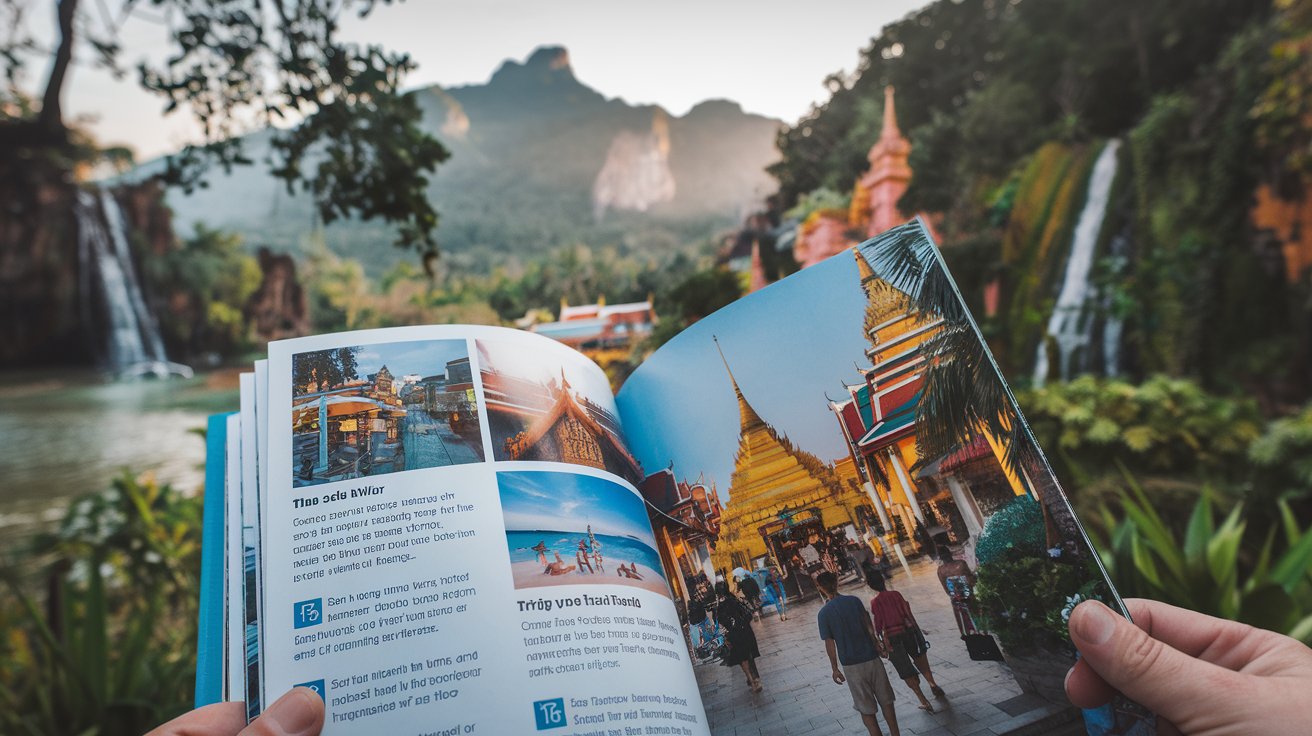
Planning a trip to Thailand requires careful consideration of budget, timing, and itinerary to maximize your experience in this Southeast Asian paradise. For travelers from the United States in 2026, Thailand offers exceptional value with an average daily budget of $50-150 per person, depending on travel style. This comprehensive guide covers everything from visa requirements and flight bookings to accommodation selection and cultural considerations, ensuring your Thailand vacation becomes an unforgettable adventure.
Understanding Thailand Trip Costs and Budgeting
The cost of a trip to Thailand varies significantly based on travel style, duration, and destinations. For US travelers in 2026, a moderate 7-day Thailand trip typically costs between $1,200 and $2,500 per person, excluding international flights. Budget travelers can manage on $50-70 daily, mid-range travelers spend $100-150 daily, while luxury experiences require $250+ daily. International flights from major US cities like New York, Los Angeles, or San Francisco to Bangkok range from $700 to $1,400 round-trip, depending on season and booking timing.
Breaking down the average trip to Thailand cost reveals accommodation takes 30-40% of the budget, food and dining 20-25%, activities and tours 20-30%, and local transportation 10-15%. A Thailand trip for 2 weeks from the USA averages $2,800-5,500 per person for comprehensive coverage. Budget-conscious travelers can stretch $1,000 for a week in Thailand by staying in hostels, eating street food, and using public transportation, though this requires careful planning and limited splurges.
Daily Budget Breakdown by Travel Style
Understanding your daily spending in Thailand helps create realistic budgets. Budget travelers spending $50-70 daily stay in hostels or guesthouses ($10-20), eat primarily street food and local restaurants ($10-15), use public buses and trains ($5-10), and select free or low-cost activities ($10-15). Mid-range travelers at $100-150 daily enjoy comfortable hotels with amenities ($40-70), dine at diverse restaurants including some international options ($25-40), hire private drivers or use Grab rideshare ($15-25), and participate in organized tours ($30-40).
Luxury travelers exceeding $250 daily book five-star resorts or boutique hotels ($150-300+), dine at upscale restaurants and rooftop bars ($60-100), arrange private tours with guides ($80-150), and enjoy premium experiences like spa treatments or private boat charters. Many travelers from the United States find Thailand incredibly affordable compared to domestic vacation costs, with similar experiences costing 40-60% less than comparable US destinations in 2026.
Hidden Costs and Money-Saving Tips
Planning a trip to Thailand on a budget requires awareness of hidden costs that catch many travelers unprepared. Travel insurance typically costs $50-150 for two weeks but proves essential for medical emergencies and trip disruptions. Visa fees for US citizens obtaining 60-day tourist visas cost $40-50, while visa-on-arrival options remain available for shorter stays. ATM withdrawal fees average 220 baht ($6-7) per transaction, making it worthwhile to withdraw larger amounts less frequently or use fee-reimbursing bank cards.
Smart budget travelers save money in Thailand by booking accommodations during off-peak seasons (April-October), eating at local markets where meals cost $2-4 versus $8-15 at tourist restaurants, and booking tours directly rather than through hotel concierges who add commissions. Using apps like Grab for transportation, purchasing SIM cards with data plans for $10-15 monthly, and traveling overnight between cities to save accommodation costs can reduce overall Thailand trip expenses by 30-40%.
When is the Best Time to Visit Thailand
The best time to visit Thailand depends on your priorities regarding weather, crowds, and pricing. Thailand’s cool and dry season from November to February offers ideal conditions with temperatures of 75-85°F, minimal rainfall, and pleasant humidity levels, making it the peak tourist season. However, this popularity means higher prices, crowded attractions, and necessary advance bookings. US travelers planning Thailand trips during winter months should book flights and hotels 3-4 months ahead and expect to pay 30-50% premiums on accommodations.
The shoulder seasons of March to May and September to October provide excellent alternatives for travelers seeking better value and fewer crowds. March to May brings hot weather with temperatures reaching 90-100°F but fewer tourists and discounted rates. The early rainy season from September to October features afternoon showers that rarely disrupt full-day plans, dramatically lower prices, and lush green landscapes. Travelers from the United States should avoid June to August when monsoons bring heavy rainfall to popular destinations, though this period offers rock-bottom prices for budget travelers willing to adapt plans around weather.
Regional Weather Variations Across Thailand
Understanding regional climate differences in Thailand enables strategic trip planning. Northern Thailand including Chiang Mai experiences the coolest temperatures from November to February, with nighttime lows occasionally reaching 60°F, requiring light jackets. This region’s hot season peaks in April with the Songkran water festival, while the rainy season from June to October brings moderate precipitation. Central Thailand including Bangkok maintains consistently warm temperatures year-round, with the cool season providing relief from the typical 85-95°F heat.
Southern Thailand and the islands present more complex patterns, with different coasts having opposite rainy seasons. The Andaman Coast including Phuket, Krabi, and Koh Lanta experiences heavy monsoons from May to October, making November to April ideal. Conversely, the Gulf Coast featuring Koh Samui, Koh Phangan, and Koh Tao sees the worst weather from October to December, with the best conditions from January to August. Strategic trip planning for Thailand might combine northern regions during November-February with southern Gulf islands during the same period.
Festival Calendar and Special Events
Planning your Thailand trip around cultural festivals enhances the experience significantly. Songkran, the Thai New Year water festival in mid-April, transforms the entire country into massive water fights with cultural ceremonies, though it coincides with peak heat and inflated prices. Loy Krathong in November features stunning floating lantern releases, particularly spectacular in Chiang Mai where it coincides with Yi Peng festival creating thousands of sky lanterns. US travelers should book accommodations 3-6 months in advance for festival periods.
Chinese New Year in January or February brings colorful celebrations in Bangkok’s Chinatown and throughout Thailand, while full moon parties on Koh Phangan occur monthly, attracting thousands of revelers. Buddhist holidays like Visakha Bucha and Asalha Bucha involve candlelit temple processions but also alcohol sales restrictions. Planning a trip to Thailand requires checking these dates, as they affect pricing, crowds, and available services, particularly alcohol restrictions during Buddhist holidays which may surprise uninformed travelers.
Creating Your Thailand Itinerary
Designing an effective Thailand itinerary balances diverse experiences across cities, beaches, and cultural sites. First-time visitors typically allocate 2-4 days in Bangkok exploring temples like Wat Pho and Wat Arun, visiting the Grand Palace, experiencing the floating markets, and enjoying the vibrant street food scene and nightlife. Northern Thailand deserves 3-4 days centered in Chiang Mai for temple visits, night markets, cooking classes, and nearby attractions like Doi Suthep temple and ethical elephant sanctuaries. Southern Thailand’s islands and beaches warrant 4-7 days minimum to avoid feeling rushed while island hopping or deeply exploring one island.
A recommended 7-day Thailand itinerary includes 3 days in Bangkok, 2 days in Chiang Mai, and 2 days on a southern island, providing a condensed introduction to Thailand’s diversity. A more comfortable 10-14 day trip allows 3 days Bangkok, 4 days northern Thailand (Chiang Mai and Chiang Rai or Pai), and 5-7 days exploring southern islands. Travelers with 2-3 weeks can comprehensively explore multiple regions, adding destinations like Ayutthaya historical park, Sukhothai ruins, Krabi limestone cliffs, or lesser-known islands like Koh Lanta and Koh Tao for diving.
7-Day Thailand Tour Package Itinerary
A structured 7-day Thailand tour package typically follows this proven framework: Days 1-3 focus on Bangkok with arrival, Grand Palace and Wat Pho visits, Chao Phraya river boat tours, evening at Khao San Road or rooftop bars, a cooking class or floating market excursion, and shopping at Chatuchak Weekend Market or MBK Center. Day 4 involves flying to Chiang Mai for temple tours including Wat Phra That Doi Suthep, exploring the Old City temples, and experiencing the famous Chiang Mai night markets.
Days 5-7 offer flexibility between continuing in northern Thailand or heading to beaches. The northern option includes an ethical elephant sanctuary visit, a Chiang Rai day trip seeing the White Temple, and exploring hill tribe villages or taking a Thai massage course. The beach alternative involves flying to Phuket or Krabi, island hopping to Phi Phi Islands or James Bond Island, relaxing on pristine beaches, and experiencing southern Thai seafood. This 7-day itinerary costs $800-1,800 per person excluding international flights, depending on accommodation choices and activity selection.
Planning a Trip to Thailand for Couples
Couples planning romantic Thailand trips should prioritize destinations offering privacy, natural beauty, and couples’ activities. Koh Lanta provides tranquil beaches with fewer crowds than Phuket, featuring sunset beach dinners, couples’ spa treatments, and intimate beachfront bungalows. Krabi’s Railay Beach, accessible only by boat, offers dramatic limestone scenery, rock climbing for adventurous couples, and secluded beach coves perfect for privacy. Northern Thailand’s Pai presents a romantic mountain escape with hot springs, waterfalls, scenic viewpoints, and a relaxed hippie vibe.
Romantic experiences to include in couples’ Thailand itineraries encompass private longtail boat tours to hidden lagoons, couples’ cooking classes learning Thai cuisine together, traditional Thai massage courses, and sunset dinner cruises in Bangkok or Phuket. Luxury resorts in Koh Samui or Phuket offer private pool villas, while boutique hotels in Chiang Mai’s old city provide charming romantic atmospheres. Couples typically budget $150-250 daily for comfortable romantic experiences, with honeymoon packages from US tour operators ranging from $2,500-5,000 per couple for 10-14 days.
Booking Flights and Transportation from the USA
US travelers booking flights to Thailand should target Bangkok’s Suvarnabhumi Airport (BKK) as the primary entry point, with direct flights available from major hubs or one-stop connections through Asia or Middle Eastern cities. Direct flights from Los Angeles or San Francisco to Bangkok take approximately 17-18 hours, while East Coast departures from New York require 20-22 hours with connections. Airlines offering competitive routes include Thai Airways, United Airlines, EVA Air, Japan Airlines, Qatar Airways, and Singapore Airlines, with prices ranging from $700-1,400 round-trip depending on season and booking timing.
Optimal flight booking strategy for Thailand trips involves purchasing tickets 2-4 months in advance for best prices, considering Tuesday and Wednesday departures for lower fares, and using flight comparison tools like Google Flights, Skyscanner, or Kayak. Premium economy or business class upgrades significantly improve comfort on long-haul flights, with upgrade costs typically $800-2,000 additional per direction. For travelers visiting multiple Southeast Asian countries, open-jaw tickets flying into Bangkok and out of another city like Singapore or Kuala Lumpur often cost similarly to round-trip tickets while maximizing regional exploration.
Getting Around Thailand Efficiently
Understanding transportation options within Thailand ensures efficient and cost-effective travel. Domestic flights between major cities like Bangkok, Chiang Mai, Phuket, and Koh Samui typically cost $30-100 with budget carriers like AirAsia, Nok Air, and Thai Lion Air, making them worthwhile for saving time on long distances. Overnight trains and buses provide economical alternatives, with sleeper trains from Bangkok to Chiang Mai costing $15-40 depending on class, combining transportation and accommodation costs while offering cultural experiences.
Within cities, transportation options vary by location. Bangkok’s extensive BTS Skytrain and MRT subway systems provide efficient, air-conditioned transit for $0.50-1.50 per ride, while tuk-tuks and motorcycle taxis offer adventurous short-distance options requiring price negotiation. Grab rideshare app operates throughout Thailand like Uber, providing transparent pricing and safety for $2-8 typical rides. For island travel, ferries connect mainland to islands with costs of $10-30 per route, while speedboats offer faster but pricier alternatives. Renting scooters costs $5-10 daily but requires international driving permits and involves significant safety risks, particularly for inexperienced riders.
Accommodation Selection and Booking
Selecting appropriate accommodations in Thailand dramatically impacts trip quality and budget. Budget travelers find excellent hostels throughout Thailand offering dorm beds for $8-15 nightly and private rooms for $20-35, with facilities including pools, social areas, and tour booking services. Mid-range hotels and guesthouses provide comfortable rooms with air conditioning, WiFi, and breakfast for $35-80 nightly, representing the sweet spot for value and comfort. Luxury travelers enjoy five-star resorts and boutique hotels for $150-500+ nightly, featuring premium amenities, spectacular locations, and exceptional service.
Booking strategies for Thailand accommodations include using platforms like Booking.com, Agoda (popular in Asia), and Airbnb for diverse options and reviews. Peak season requires 2-4 months advance booking, while shoulder and low seasons allow last-minute flexibility and walk-in rates. Beach destinations typically cost 30-50% more than inland cities, with Phuket and Koh Samui being pricier than Krabi or Koh Lanta. Strategic accommodation planning saves money by staying outside touristy areas, booking longer stays for discounts, and considering boutique guesthouses over international hotel chains for authentic experiences at lower costs.
Thailand Vacation Packages All-Inclusive Options
US travelers seeking convenience often consider Thailand vacation packages all-inclusive from tour operators, though true all-inclusive resorts remain less common than in Caribbean destinations. Package tours typically include international flights, accommodations, some meals, guided tours, and internal transportation, with prices ranging $2,500-6,000 per person for 10-14 day trips from the USA. Reputable tour companies offering Thailand packages include Intrepid Travel, G Adventures, and Exodus Travels, focusing on small groups and authentic experiences rather than resort-based all-inclusive models.
Evaluating whether Thailand vacation packages offer value requires comparing against independent travel costs. Packages provide convenience, expert guides, and stress-free logistics but typically cost 20-40% more than self-planned trips and offer less flexibility. Independent travel allows spontaneous decisions, easier budget control, and authentic interactions but requires more research and planning. Many travelers compromise by booking packages for complex portions like northern hill tribe treks while independently exploring cities and beaches, maximizing both convenience and cost-effectiveness.
Essential Pre-Trip Planning and Requirements
US citizens planning trips to Thailand must understand visa requirements, health preparations, and travel insurance. Americans receive visa-exempt entry for 30 days by air or 15 days by land border, extendable once for 30 days at immigration offices for approximately $60. Travelers planning longer stays should obtain 60-day tourist visas from Thai embassies or consulates before departure, costing $40-50 and allowing one 30-day extension. Multiple-entry tourist visas accommodate travelers planning border runs or regional travel within six months.
Health preparations for Thailand travel include consulting travel medicine clinics 4-8 weeks before departure for vaccinations including Hepatitis A, Typhoid, and Japanese Encephalitis for extended rural stays. Routine vaccinations should be current, and malaria prophylaxis remains unnecessary for most tourist areas but recommended for border regions and jungle trekking. Travel insurance is essential, costing $50-150 for two weeks, covering medical emergencies, evacuations, trip cancellations, and lost belongings. Many US health insurance plans don’t cover international medical care, making dedicated travel insurance crucial for peace of mind.
Packing Essentials for Thailand
Strategic packing for Thailand trips balances climate considerations, cultural respect, and practical needs. Lightweight, breathable clothing suits Thailand’s tropical climate, with modest options covering shoulders and knees required for temple visits. Essential items include sunscreen (expensive in Thailand), insect repellent with DEET, comfortable walking shoes, sandals for beaches, a light rain jacket for sudden showers, and a small daypack for excursions. Electrical adapters for Type A, B, C, and F outlets, though many hotels offer USB charging, and a portable power bank prove valuable.
Items to leave home include excessive clothing (laundry services are cheap), expensive jewelry, and too many toiletries available locally. Instead, pack a basic first-aid kit with common medications, prescription medicines in original containers, copies of important documents stored digitally, and a money belt or secure bag for valuables. Women should pack modest swimwear for temples and cultural sites, while both genders benefit from lightweight long pants and shirts for air-conditioned spaces and temple visits. Remember Thailand’s tropical climate means laundry services cost $1-2 per kilogram, so packing light and washing clothes becomes more practical than overpacking.
Safety Considerations and Common Concerns
Thailand maintains a strong reputation as a safe destination for US travelers, with tourist-focused areas featuring visible security and low violent crime rates. Common safety concerns include petty theft, scams targeting tourists, and traffic accidents rather than serious violent crime. Travelers should practice standard precautions including securing valuables in hotel safes, watching belongings in crowded areas, and remaining aware of surroundings, particularly at night. The US State Department typically rates Thailand at Level 1 (Exercise Normal Precautions) except for specific southern provinces near Malaysia border experiencing ongoing conflict.
Specific safety risks requiring awareness include aggressive tuk-tuk and taxi drivers taking tourists to gem stores or overpriced restaurants for commissions, jet ski rental scams demanding payment for pre-existing damage, and drink spiking in party areas like Khao San Road or Koh Phangan. Women traveling alone generally find Thailand safe but should avoid isolated areas at night, use registered taxis or Grab rides, and dress modestly to avoid unwanted attention. Traffic poses significant risks, with Thailand having high accident rates, making helmet use mandatory for scooter rentals and extreme caution necessary when crossing streets or riding motorcycles.
Avoiding Common Tourist Scams
Understanding prevalent scams in Thailand helps travelers avoid unnecessary expenses and frustration. The grand palace closed scam involves individuals near major temples claiming they’re closed for ceremonies and offering tuk-tuk tours to other attractions, actually taking tourists to commission-based shops. Gem scams target tourists with convincing stories about special tax-free shopping opportunities or investment deals, resulting in overpriced, low-quality gems. Taxi meter scams include drivers refusing to use meters or claiming broken meters, requiring insistence on meter use or using Grab app instead.
Additional common scams to avoid include bar bill scams where friendly locals invite tourists to bars with extremely inflated prices enforced by security, jet ski damage claims demanding hundreds of dollars for pre-existing damage, and ping pong show scams with outrageous bills for supposed special performances. Protection strategies include researching common scams before travel, politely but firmly declining unsolicited advice from strangers near tourist sites, always checking prices before ordering, using metered taxis or Grab, and walking away from high-pressure sales situations. Most Thai people are genuinely helpful, but tourist areas attract opportunists making skepticism of too-good-to-be-true offers essential.
English Communication and Language Barriers
English proficiency in Thailand varies significantly by location, with tourist areas, hotels, and restaurants having adequate English speakers while rural areas and local establishments present more challenges. Bangkok, Chiang Mai, Phuket, and major tourist islands feature widespread English usage in tourism businesses, airports, and attractions. However, taxi drivers, street food vendors, and local markets often have limited English, making translation apps like Google Translate invaluable. Most Thai people are patient and helpful with communication attempts, appreciating visitors who learn basic Thai phrases.
Essential Thai phrases for travelers include greetings (sawatdee khrap/kha), thank you (khop khun khrap/kha), how much (tao rai), delicious (aroi), and too expensive (paeng maak). Learning polite particles (khrap for men, kha for women) shows cultural respect and improves interactions. Written Thai uses a unique script making navigation challenging, but major signs include English translations, and smartphone maps function effectively. Download offline maps and translation apps before trips to remote areas, and consider carrying hotel business cards in Thai for taxi drivers. Despite language barriers, Thailand’s tourism infrastructure accommodates English speakers reasonably well in popular destinations.
Cultural Etiquette and Respectful Travel
Understanding and respecting Thai cultural norms enhances experiences and prevents unintentional offense in this predominantly Buddhist country. The Thai royal family commands deep respect, with criticism or disrespect carrying serious legal consequences including imprisonment. Avoid stepping on currency depicting the king, and stand respectfully during royal anthem playing before movies in theaters. Buddhist monks hold revered status, requiring women to avoid physical contact and all visitors to show respect by not pointing feet toward monks or Buddha images and removing shoes before entering temples.
Essential cultural behaviors for Thailand include the wai greeting (prayer-like gesture), appropriate for responding to service staff and elders, modest temple dress covering shoulders and knees, and removing shoes before entering homes, temples, and some shops. Feet are considered lowest and dirty, so avoid pointing them at people or religious objects, and never step over people. Heads are most sacred, meaning avoid touching others’ heads and maintaining composure even in frustrating situations, as public anger causes Thai people to lose face. Public displays of affection beyond hand-holding are frowned upon, and beachwear should stay at beaches rather than worn in towns or markets.
What You Should Not Do in Thailand
Certain behaviors risk legal consequences or serious offense in Thailand. Never disrespect the monarchy through words, actions, or social media posts, as lèse-majesté laws carry severe penalties. Drug possession brings extremely harsh penalties including lengthy prison sentences or death penalty for trafficking, with authorities showing no leniency to foreigners. Avoid touching Buddha images for photos, climbing on temple structures, or displaying affection near religious sites. Littering carries fines, and smoking is banned in many public spaces including beaches in popular tourist areas like Patong, Koh Samui, and Hua Hin.
Additional behaviors to avoid in Thailand include raising your voice or showing anger publicly, which causes loss of face for all parties, engaging in political discussions about the monarchy or sensitive topics, and purchasing or supporting animal exploitation including elephant riding, tiger interactions, or slow loris photos. Don’t touch people’s heads, point with your feet, or step over people sitting on the ground. Avoid wearing shoes inside temples, homes, or certain shops even if others do. Respect local customs during Buddhist holidays when alcohol sales may be restricted, and dress appropriately even in hot weather, particularly when visiting religious or government sites where enforcement may deny entry for improper attire.
Food, Dining, and Culinary Experiences
Thai cuisine represents a major highlight of any trip, with diverse dining options across all budgets. Street food offers incredible value and authenticity, with meals costing $1-3 from vendors and markets serving pad thai, som tam (papaya salad), grilled meats, and fresh tropical fruits. Local restaurants and food courts provide sit-down dining for $3-8 per meal with extensive menus and cleaner environments than street stalls. Mid-range restaurants in tourist areas charge $8-15 per meal, while upscale dining and international restaurants cost $20-50 per person.
Must-try Thai dishes for first-time visitors include pad thai (stir-fried noodles), tom yum soup (hot and sour), green curry, massaman curry, som tam (green papaya salad), and mango sticky rice for dessert. Regional specialties vary, with northern Thailand featuring khao soi (curry noodle soup) and sai oua (northern sausage), while southern regions emphasize seafood and spicier flavors. Food safety generally remains high at busy establishments with high turnover, though travelers with sensitive stomachs should avoid raw vegetables, ice in questionable locations, and extremely spicy dishes initially. Taking cooking classes costs $25-50 and provides hands-on experience preparing Thai dishes while learning about ingredients and techniques.
Activities and Experiences to Include
Thailand offers diverse activities beyond beaches and temples. Bangkok features rooftop bars with spectacular city views, traditional Thai massage for $10-15 per hour, Muay Thai boxing matches, and river dinner cruises. Northern Thailand excels in nature activities including jungle trekking, zip-lining through forests, ethical elephant sanctuaries where visitors bathe and feed rescued elephants, and visiting hill tribe villages. Chiang Mai specifically offers Thai cooking schools, traditional crafts workshops, and the famous Sunday Walking Street market.
Southern Thailand and islands provide water-based activities and relaxation. Snorkeling and diving sites around Koh Tao, Similan Islands, and Phi Phi Islands showcase vibrant coral reefs and marine life, with diving certifications costing $300-400. Rock climbing at Railay Beach, kayaking through limestone caves and lagoons, and island-hopping boat tours create memorable adventures. Full-day tours typically cost $30-80 per person depending on destination and inclusions. Beach relaxation, spa treatments starting at $20-40, and sunset watching require no booking while offering quintessential Thailand experiences. Adventure seekers might add white-water rafting in Chiang Mai or kite-surfing in Hua Hin to itineraries.
Related video about how to plan a trip to thailand
This video complements the article information with a practical visual demonstration.
Questions & Answers
How much does a trip to Thailand cost on average?
An average trip to Thailand costs $1,800-3,500 per person for 10 days from the United States, including international flights ($700-1,400), accommodations ($30-100 nightly), meals ($15-40 daily), activities ($20-50 daily), and transportation ($10-30 daily). Budget travelers manage on $1,200-2,000, mid-range travelers spend $2,500-4,500, while luxury trips exceed $5,000 per person. These estimates reflect 2026 pricing for US travelers and exclude shopping or optional tours.
Is $1,000 enough for a week in Thailand?
Yes, $1,000 is sufficient for a budget week in Thailand excluding international flights. This budget allows approximately $140 daily, covering hostel dormitories or basic guesthouses ($10-20 nightly), street food and local restaurants ($15-25 daily), public transportation and occasional Grab rides ($10-15 daily), and budget activities or temple visits ($15-25 daily). Careful spending enables comfortable budget travel, though it limits splurges on tours, upscale dining, or premium accommodations.
How long should you spend in Thailand?
First-time visitors should spend minimum 10-14 days in Thailand to experience diverse attractions without feeling rushed. This duration allows 3-4 days exploring Bangkok, 3-4 days in northern Thailand visiting Chiang Mai and surroundings, and 4-6 days enjoying southern beaches and islands. Shorter 7-day trips provide introductions to Thailand’s highlights but require choosing between regions. Travelers with 2-3 weeks can comprehensively explore multiple regions including lesser-known destinations, travel at relaxed paces, and include day trips to neighboring countries.
What’s the best way to get around in Thailand?
The best transportation in Thailand combines domestic flights for long distances between regions ($30-100), trains or buses for medium distances providing cultural experiences ($15-40), and local options within destinations. In Bangkok, use the BTS Skytrain and MRT subway for efficiency. Throughout Thailand, the Grab rideshare app offers safe, affordable transportation with transparent pricing. For islands, ferries provide necessary connections, while within beach towns, walking or rented bicycles often suffice. Avoid renting scooters without experience due to high accident rates.
Do I need travel insurance for Thailand?
Yes, travel insurance is essential for Thailand trips, costing approximately $50-150 for two weeks. Comprehensive policies cover medical emergencies (most US health insurance excludes international coverage), medical evacuations potentially costing tens of thousands of dollars, trip cancellations or interruptions, lost baggage, and theft. Thailand’s medical care is excellent but expensive without insurance. Choose policies covering adventure activities if planning diving, zip-lining, or scooter riding. Purchase insurance before departure as many policies exclude coverage for pre-existing conditions or claims arising before policy purchase.
Is Thailand safe for solo travelers?
Thailand is generally very safe for solo travelers including solo women, with tourist areas featuring good security and welcoming locals. Common sense precautions include avoiding isolated areas at night, securing valuables, watching drinks in bars, and using registered transportation. The tourism infrastructure accommodates solo travelers excellently with hostels facilitating social connections, affordable single accommodations, and numerous group tours. Solo travelers should remain aware of scams targeting tourists, avoid excessive alcohol consumption, and maintain communication with family or friends about itineraries for safety.
| Planning Aspect | Recommended Approach | Expected Cost/Benefit |
|---|---|---|
| Best Travel Season | November to February for ideal weather, March-May or Sept-Oct for value | 30-50% savings during shoulder seasons |
| Ideal Trip Duration | Minimum 10-14 days for comprehensive experience | Balanced exploration without rushed schedules |
| Budget Range | $50-70 daily (budget), $100-150 (mid-range), $250+ (luxury) | $1,800-3,500 total for 10 days per person |
| Essential Bookings | International flights 2-4 months ahead, peak season hotels 3-4 months | $200-500 savings with advance booking |
| Must-Visit Regions | Bangkok (culture), Chiang Mai (nature), Southern Islands (beaches) | Diverse experiences across 3 distinct regions |
| Travel Insurance | Comprehensive medical and trip coverage essential | $50-150 for 2 weeks, protects against major expenses |