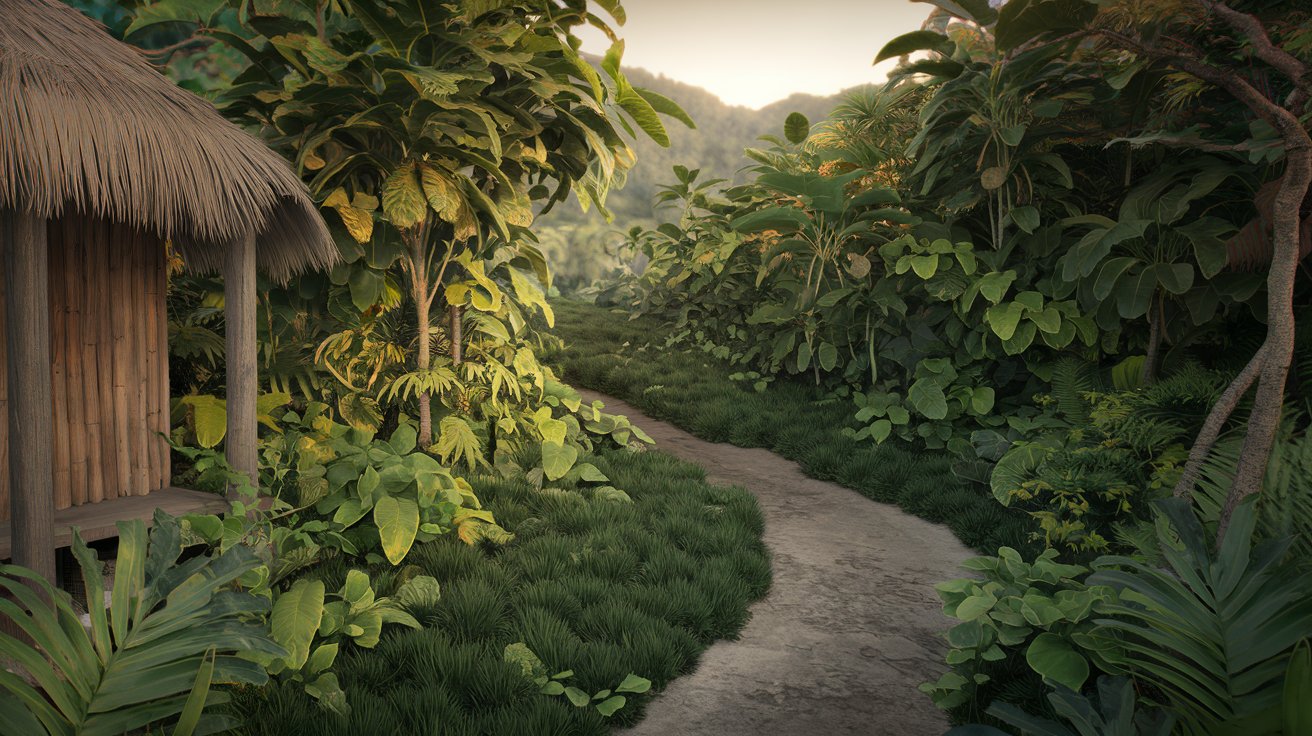
Planning a trip to Costa Rica requires understanding visa requirements, budgeting between $1,500-$4,000 per person, choosing the right season (dry season from December to April), and selecting regions like Arenal, Manuel Antonio, or Monteverde. This comprehensive guide covers everything US travelers need to know to plan an unforgettable Costa Rica vacation in 2026, from entry requirements to daily itineraries, ensuring you maximize your time in this biodiverse paradise.
Understanding Costa Rica Travel Requirements for US Citizens in 2026
US citizens traveling to Costa Rica in 2026 enjoy visa-free entry for stays up to 90 days, making it one of the most accessible Central American destinations. Your passport must be valid for at least six months beyond your planned departure date. Costa Rica’s immigration system has been digitized, and you should complete the online Health Pass within 72 hours of arrival, though requirements have relaxed significantly since the pandemic era. Most travelers arrive at Juan Santamaría International Airport in San José or Daniel Oduber Quirós International Airport in Liberia.
Entry requirements also include proof of onward travel (return ticket or continuation to another country) and demonstration of sufficient funds for your stay, typically $100 per day or a valid credit card. Travel insurance is highly recommended but not mandatory. Costa Rica uses the Costa Rican colón, though US dollars are widely accepted in tourist areas. As of 2026, the exchange rate hovers around 520-540 colones per dollar. ATMs are readily available in cities and tourist zones, offering the best exchange rates for currency conversion.
Best Time to Visit Costa Rica: Seasonal Planning Guide
The optimal time for planning a Costa Rica trip depends on your priorities. The dry season (December through April) offers the most reliable weather, with sunshine dominating the Pacific coast and central highlands. This peak season means higher prices and larger crowds, particularly during Christmas, New Year, and Easter weeks when hotel rates can increase by 30-50%. Average temperatures remain consistent year-round at 70-90°F in lowlands and 60-75°F in highlands.
The green season (May through November) provides significant advantages for budget-conscious travelers and nature enthusiasts. Afternoon rains typically last 1-3 hours, leaving mornings clear for activities. Hotel rates drop by 20-40%, and you’ll encounter fewer tourists at popular sites like Monteverde Cloud Forest and Arenal Volcano. September and October see the heaviest rainfall, particularly on the Caribbean coast. The shoulder months of November and early December offer an ideal compromise with reduced crowds, lower prices, and minimal rainfall as the dry season begins.
Creating Your Costa Rica Budget: 2026 Cost Breakdown
A realistic Costa Rica trip budget for US travelers ranges from $1,500 to $4,000 per person for a week-long vacation, depending on accommodation choices and activity preferences. Mid-range travelers typically spend $150-250 daily per person, while luxury seekers may exceed $400 daily. Budget backpackers can manage on $50-80 daily by staying in hostels, eating at sodas (local restaurants), and using public transportation.
Accommodation Costs Across Different Regions
Hotel prices vary significantly by location and season. Budget hostels cost $15-30 per night for dorm beds, while private rooms in mid-range hotels run $60-120 nightly. Luxury eco-lodges and beachfront resorts charge $200-500 per night. Popular areas like Manuel Antonio and Tamarindo command premium prices. Consider vacation rentals through platforms for groups, which can reduce per-person costs. All-inclusive resorts in Guanacaste average $250-400 per person nightly in 2026, including meals and some activities.
Transportation and Activity Expenses
Domestic flights between San José and regional airports cost $80-150 each way, saving significant travel time. Shuttle services between popular destinations run $40-80 per person. Car rentals range from $35-80 daily for basic 4×4 vehicles, essential for remote areas. Popular activities include zip-lining ($60-90), white-water rafting ($70-100), guided nature tours ($50-120), and national park entries ($15-18 per park). Meals at local sodas cost $5-10, while tourist restaurant dinners run $15-35 per person.
Choosing Your Costa Rica Destinations and Regions
Costa Rica’s compact size allows visitors to experience multiple ecosystems within one trip, but strategic destination selection prevents exhausting travel days. First-time visitors should focus on 2-3 regions maximum during a week-long stay. The country divides into distinct zones: the Pacific Coast (Guanacaste, Manuel Antonio, Uvita), Caribbean Coast (Puerto Viejo, Tortuguero), Central Valley (San José, Orosi), Northern Zone (Arenal, Monteverde), and Southern Zone (Osa Peninsula, Corcovado).
The Arenal Volcano region combines adventure activities, hot springs, and stunning volcanic landscapes, making it Costa Rica’s most visited inland destination. La Fortuna town serves as the base, offering zip-lining, hanging bridges, waterfall rappelling, and luxurious thermal pools. Manuel Antonio National Park on the central Pacific coast provides the perfect blend of pristine beaches and wildlife viewing, with sloths, monkeys, and tropical birds easily spotted. Monteverde Cloud Forest attracts nature lovers with its unique high-altitude ecosystem, suspension bridges, and world-class bird watching, including the resplendent quetzal.
Pacific Coast Beach Destinations
The Pacific coastline offers diverse beach experiences from party towns to secluded paradises. Tamarindo in Guanacaste provides vibrant nightlife, surf culture, and easy access to multiple beaches. The Nicoya Peninsula features hidden gems like Santa Teresa and Nosara, known for yoga retreats and consistent surf. The Papagayo Peninsula in northern Guanacaste hosts luxury all-inclusive resorts with calm waters perfect for families. Southern Pacific beaches like Uvita and Dominical attract eco-conscious travelers with marine national parks, whale watching (August-October and December-April), and uncrowded shorelines.
Caribbean Coast and Off-the-Beaten-Path Areas
Costa Rica’s Caribbean side presents a distinctly different atmosphere with Afro-Caribbean culture, reggae rhythms, and year-round humidity. Puerto Viejo serves as the main hub, offering black sand beaches, excellent snorkeling at Cahuita National Park, and a laid-back vibe. Tortuguero National Park, accessible only by boat or plane, provides unparalleled wildlife experiences with nesting sea turtles (July-October), caimans, and river cruises through jungle canals. The remote Osa Peninsula and Corcovado National Park represent Costa Rica’s wildest frontier, hosting the country’s highest biodiversity with jaguars, tapirs, and scarlet macaws.
Building Your Perfect Costa Rica Itinerary
A well-structured Costa Rica itinerary balances travel time, diverse experiences, and relaxation. Most visitors need at least 7-10 days to appreciate the country without constant rushing. Limit yourself to 3-4 destinations maximum per week, as Costa Rica’s mountain roads mean longer travel times than distances suggest. A drive from San José to Manuel Antonio takes 3.5 hours for just 80 miles. Strategic planning groups geographically close destinations together.
The classic first-timer itinerary combines Arenal, Monteverde, and Manuel Antonio in 7-10 days. Start with 2-3 nights in Arenal for adventure activities and hot springs, transfer to Monteverde for 2 nights of cloud forest exploration (3-hour drive), then finish with 2-3 beach nights in Manuel Antonio (4-hour drive). Add a final night in San José before departure if needed. Alternative routes include the Pacific Coast loop (Tamarindo-Nosara-Santa Teresa) for surf and beach focus, or the Caribbean circuit (Tortuguero-Puerto Viejo) for wildlife and culture immersion.
Sample 7-Day Costa Rica Itinerary
Day 1-2: Arenal Volcano region – Arrive in San José, transfer to La Fortuna (3 hours), visit La Fortuna Waterfall, enjoy hot springs at Tabacón or Baldi. Day 2 includes zip-lining or hanging bridges at Mistico Park and Arenal Volcano National Park hiking. Day 3-4: Monteverde Cloud Forest – Transfer via Lake Arenal scenic route (3 hours), explore cloud forest reserves, night tours for nocturnal wildlife, and optional canopy tours. Day 5-7: Manuel Antonio – Drive to Pacific coast (4 hours), spend two full days at Manuel Antonio National Park, beach time, optional catamaran sunset cruise, and relaxation before returning to San José for departure.
Extended 10-14 Day Itinerary Options
Longer trips allow deeper exploration and additional regions. A 10-day itinerary adds either Tortuguero National Park at the beginning (2 nights) or extends beach time to include Uvita for whale watching. Two-week trips can combine both coasts, starting Caribbean (Tortuguero and Puerto Viejo for 4 nights), moving to Arenal (2 nights), Monteverde (2 nights), and finishing on the Pacific coast (Manuel Antonio or Guanacaste for 4-5 nights). This comprehensive route showcases Costa Rica’s full diversity while maintaining comfortable pacing with minimal one-night stays.
Booking Accommodations: Hotels, Eco-Lodges, and Vacation Rentals
Securing the right accommodations significantly impacts your Costa Rica experience and budget. Book 3-6 months in advance for dry season travel, especially December through March. Last-minute deals occasionally appear during green season, but popular properties in prime locations fill quickly regardless of season. Costa Rica’s accommodation spectrum ranges from rustic jungle lodges without air conditioning to ultra-luxury resorts with every amenity.
Eco-lodges represent Costa Rica’s signature accommodation style, emphasizing sustainability, nature immersion, and local ownership. Properties like Pacuare Lodge (accessible only by river raft), Lapa Rios in Osa Peninsula, and Nayara Springs near Arenal combine luxury with environmental consciousness. These lodges typically include guided nature activities, organic farm-to-table dining, and educational programs about conservation. Mid-range travelers find excellent value at family-run boutique hotels and bed-and-breakfasts, particularly in less touristy towns, offering personalized service and local insights at $70-130 nightly.
Transportation Planning: Getting Around Costa Rica
Navigating Costa Rica’s transportation requires understanding your options and limitations. Rental cars provide maximum flexibility, essential for remote destinations and national parks. Reserve 4×4 vehicles for rainy season or off-road locations like Monteverde and beach towns. International companies (Budget, Hertz, Alamo) maintain offices at airports and major cities, while local agencies often offer better rates. Insurance is mandatory, adding $15-25 daily to base rental costs. Costa Rica’s roads range from excellent highways to rough mountain passes, requiring confidence in variable driving conditions.
Public buses offer the most economical transportation option but demand patience and flexibility. Direct buses connect San José to major destinations like Manuel Antonio (3.5 hours, $8), Monteverde (4.5 hours, $6), and La Fortuna (4 hours, $5). Schedules limit departures to 1-3 times daily for many routes, and buses don’t serve all tourist areas directly. Private shuttle services bridge the gap, providing door-to-door transfers between popular destinations at $40-80 per person. Domestic flights via Sansa or Green Airways connect San José to Liberia, Tamarindo, Nosara, Tambor, Drake Bay, and Puerto Jiménez, saving time but costing $80-150 one-way with strict luggage limits.
Driving Tips and Road Conditions in 2026
Costa Rican driving presents unique challenges for US visitors. Roads lack shoulders, signage appears inconsistently, and GPS occasionally fails in remote areas. Potholes proliferate during rainy season, and unpaved roads require 4×4 vehicles. Traffic rules mirror US standards (drive on right, speed limits in kilometers), but enforcement varies. Parking in cities demands vigilance, as break-ins target rental vehicles. Never leave valuables visible. Gas stations (bombas) close early in rural areas, necessitating advance fueling. Average fuel costs in 2026 reach $5-6 per gallon equivalent.
Using Domestic Flights and Shuttle Services
Domestic flights maximize time in a short Costa Rica trip, particularly for distant destinations like Drake Bay or the Osa Peninsula. Sansa and Green Airways operate small aircraft (12-19 passengers) from San José’s domestic airport. Book directly through airline websites for best rates and immediate confirmation. Weight limits of 25-30 pounds per passenger including carry-on require strategic packing. Shared shuttle services like Interbus and Grayline operate on fixed schedules between tourist hubs, offering comfort and reliability between private transfers and public buses. Reserve online before arrival for guaranteed seats during peak season.
Planning Activities and Adventures
Costa Rica’s adventure activities attract millions of visitors annually, offering experiences for every fitness level and interest. Advance booking is essential for popular activities during high season, while green season often allows walk-up reservations. Most tour operators provide hotel pickup in tourist zones, eliminating transportation concerns. Safety standards have improved dramatically, with reputable companies maintaining international certifications and modern equipment.
Zip-lining originated in Costa Rica’s Monteverde Cloud Forest and remains the country’s signature adventure activity. Courses range from beginner-friendly short lines to extreme circuits featuring Superman-style flights over rainforest canopies. Top operators include Sky Adventures, Selvatura Park, and 100% Aventura, charging $60-90 for 2-3 hour experiences. White-water rafting on the Pacuare or Sarapiquí Rivers combines thrilling Class III-IV rapids with pristine jungle scenery, available as half-day ($70-90) or multi-day trips with riverside camping. Canyoning adventures rappel down waterfalls, combining technical rope work with swimming in natural pools.
Wildlife Watching and Nature Tours
Guided nature tours dramatically increase wildlife sighting success compared to independent exploration. Professional naturalist guides spot camouflaged animals invisible to untrained eyes, from tiny poison dart frogs to sleeping sloths. Morning tours (6-10am) offer peak animal activity and optimal lighting for photography. National parks like Corcovado, Tortuguero, and Caño Negro provide the richest wildlife experiences. Boat tours through Tortuguero’s canals reveal caimans, river otters, howler monkeys, and over 300 bird species. Night tours illuminate nocturnal creatures including tarantulas, snakes, kinkajous, and sleeping birds.
Beach Activities and Water Sports
Costa Rica’s coastal activities extend beyond swimming and sunbathing. The Pacific coast delivers world-class surfing with breaks for all levels, from beginner beaches in Tamarindo to advanced reef breaks in Pavones. Surf schools offer lessons at $50-80 for 2-hour sessions including board rental. Snorkeling and scuba diving thrive around Caño Island, Catalina Islands, and Cahuita National Park, revealing vibrant coral reefs, sea turtles, and tropical fish. Catamaran sunset cruises combine sailing, snorkeling, and open bar for $75-120 per person. Stand-up paddleboarding, kayaking through mangroves, and sport fishing (catch-and-release encouraged) provide alternative water adventures.
Understanding Costa Rican Culture and Practical Tips
Successful Costa Rica trip planning includes cultural awareness and practical considerations. Costa Ricans (Ticos) embrace the “pura vida” philosophy, emphasizing relaxed, positive living. This translates to slower service in restaurants and flexible interpretations of scheduled times. Tipping isn’t mandatory as 10% service charge appears on most restaurant bills, but additional 5-10% rewards exceptional service. Spanish phrases enhance interactions, though English prevalence in tourist areas means monolingual travelers manage easily.
Safety in Costa Rica surpasses most Central American neighbors, but standard precautions apply. Petty theft targets tourists in San José and beach towns, so secure valuables in hotel safes and avoid displaying expensive jewelry or electronics. Riptides pose the primary danger at Pacific beaches, causing multiple drownings annually. Swim only at beaches with lifeguards and heed warning flags. Tap water is safe to drink in most areas except remote regions. Pharmacies (farmacias) stock common medications without prescriptions, and private medical clinics provide affordable, quality healthcare in major tourist zones.
Packing Essentials for Costa Rica
Strategic packing for Costa Rica accounts for diverse climates, outdoor activities, and laundry limitations. Lightweight, quick-dry clothing proves essential as humidity and rain create constant dampness. Pack layers for highland destinations like Monteverde where temperatures drop to 60°F at night. Reef-safe sunscreen (required by law in marine areas since 2021) protects both skin and coral ecosystems. Insect repellent with 30%+ DEET prevents mosquito bites in lowland and coastal areas where dengue fever occasionally occurs.
Essential items include waterproof bags for electronics and documents, broken-in hiking shoes with good tread for muddy trails, headlamp or flashlight for poorly lit areas and night tours, and reusable water bottle to reduce plastic waste. Microfiber towel dries quickly in humid conditions. Binoculars enhance wildlife viewing exponentially. Rain jacket or poncho handles afternoon showers during green season. Modest clothing (covering shoulders and knees) shows respect when visiting local towns and churches. Leave valuable jewelry at home to avoid attracting unwanted attention.
Technology and Connectivity Considerations
Costa Rica’s internet connectivity has improved significantly, with WiFi available at most hotels and restaurants in tourist areas. Purchase a local SIM card from Kolbi, Claro, or Movistar at the airport or retail stores for approximately $10-20 with data packages. US phones work with international roaming but incur expensive charges. Download offline maps through Google Maps before arrival, essential for areas with spotty coverage. Portable battery pack keeps devices charged during long excursion days. Waterproof phone case protects against rain and water activities. Universal adapter isn’t necessary as Costa Rica uses same outlets as the US (Type A and B, 120V).
Sustainable and Responsible Travel Practices
Sustainable tourism forms the foundation of Costa Rica’s conservation success, protecting 25% of the country as national parks and reserves. Responsible travelers support this mission by choosing certified sustainable tourism (CST) properties, participating in conservation programs, and following Leave No Trace principles. Avoid single-use plastics by carrying reusable water bottles, bags, and utensils. Many hotels and restaurants have eliminated plastic straws and bags. Respect wildlife by maintaining safe distances, never feeding animals, and refusing to support facilities offering unethical animal interactions like riding experiences.
Support local communities by purchasing crafts directly from artisans, eating at family-owned sodas rather than chain restaurants, and hiring local guides for tours. Community-based tourism initiatives in places like Tortuguero and rural Nicoya Peninsula channel tourism revenue directly to residents. Offset your carbon footprint by choosing direct flights when possible and participating in reforestation programs offered by many eco-lodges. Learn about Costa Rica’s conservation challenges and successes to become an informed ambassador for sustainable travel practices upon returning home.
Related video about how to plan a trip to costa rica
This video complements the article information with a practical visual demonstration.
What you should know
How much does a trip to Costa Rica cost in 2026?
A typical Costa Rica vacation costs between $1,500 and $4,000 per person for one week, depending on accommodation choices and activities. Budget travelers can manage on $50-80 daily by staying in hostels and using public transportation, while mid-range travelers spend $150-250 daily for comfortable hotels, rental cars, and tours. Luxury travelers often exceed $400 daily for premium eco-lodges, private transfers, and exclusive experiences. Flights from the US range from $300-700 roundtrip depending on season and departure city. The dry season (December-April) commands premium prices 30-50% higher than green season rates.
How many days do you need for a Costa Rica trip?
Most travelers need 7-10 days minimum to experience Costa Rica’s highlights without constant rushing. A week allows visiting 2-3 regions such as Arenal, Monteverde, and Manuel Antonio. Ten to fourteen days enables exploring both coasts, multiple national parks, and diverse ecosystems from cloud forests to Caribbean beaches. Long weekends (4-5 days) work for single-destination beach vacations or Arenal-focused trips. Travel time between destinations takes longer than expected due to mountain roads, so limiting yourself to 3-4 locations per week prevents exhaustion and maximizes actual vacation time versus transit time.
What is the best month to visit Costa Rica?
The best time to visit Costa Rica depends on priorities. December through April offers the most reliable dry weather with minimal rainfall, perfect for beach vacations and hiking, but brings higher prices and crowds. February and March provide peak dry season conditions with lush landscapes from earlier rains. May through November (green season) delivers significant savings of 20-40% on accommodations, fewer tourists, and spectacular scenery with vibrant vegetation. The shoulder months of November and early December offer ideal conditions as crowds diminish and rain reduces while maintaining green landscapes. September and October see heaviest rainfall but lowest prices.
Do I need a car to travel around Costa Rica?
A rental car provides maximum flexibility and access to remote areas, but isn’t absolutely necessary. Private shuttles connect major tourist destinations for $40-80 per person, offering convenience without driving stress. Public buses serve most areas economically ($5-10 between major cities) but require flexibility with limited schedules. Rental cars cost $35-80 daily plus mandatory insurance ($15-25 daily), making sense for groups or travelers visiting multiple destinations. Consider renting only for portions of your trip, such as exploring multiple beaches in Guanacaste, while using shuttles between major regions. Four-wheel drive becomes essential for rainy season or destinations like Monteverde with unpaved mountain roads.
Is Costa Rica safe for tourists in 2026?
Costa Rica remains safe for tourists compared to regional neighbors, with well-developed tourism infrastructure and low violent crime rates. Petty theft represents the primary concern in San José and beach towns, preventable through basic precautions like using hotel safes, avoiding flashy jewelry, and staying aware in crowded areas. Riptides pose the greatest physical danger at Pacific beaches, causing more tourist deaths than crime. Always swim at beaches with lifeguards and heed warning flags. Health infrastructure in tourist zones provides quality care, and tap water is safe to drink in most areas. Travel insurance is recommended for medical emergencies and trip interruptions.
What documents do US citizens need to enter Costa Rica?
US citizens need only a valid passport with at least six months validity beyond departure date and proof of onward travel (return ticket or continuation to another destination). No visa is required for stays up to 90 days. Complete Costa Rica’s online Health Pass within 72 hours of arrival, a simple digital form replacing previous paper requirements. Immigration may request proof of sufficient funds, typically demonstrated through credit card or bank statements showing $100 per day of stay. Travel insurance isn’t mandatory but highly recommended. Keep digital and physical copies of important documents separate from originals throughout your trip.
| Planning Aspect | Key Details | Recommendation |
|---|---|---|
| Best Time to Visit | Dry season: Dec-April (peak prices, crowds) Green season: May-Nov (lower prices, afternoon rain) |
November-early December for best value and weather balance |
| Budget Range | Budget: $50-80/day Mid-range: $150-250/day Luxury: $400+/day |
Plan $1,500-2,500 per person for comfortable 7-day trip |
| Ideal Trip Duration | 7-10 days for highlights 14+ days for comprehensive experience |
Minimum 7 days covering 2-3 regions maximum |
| Must-Visit Regions | Arenal (adventure), Monteverde (cloud forest), Manuel Antonio (beaches/wildlife) | Combine different ecosystems for diverse experience |
| Transportation | Rental car: most flexible Shuttles: convenient Public buses: economical |
Mix methods: shuttles between regions, rental car within destinations |
| Advance Booking | 3-6 months for dry season 1-2 months for green season |
Book popular tours and hotels early, especially December-March |