Planning a ski trip packing list requires careful consideration of clothing layers, safety equipment, and comfort items for both on and off the slopes. Whether you’re heading to Colorado, Utah, or Vermont, bringing the right gear ensures warmth, safety, and enjoyment throughout your winter vacation. This comprehensive guide covers everything from base layers and ski gear to après-ski essentials and travel tips for a successful mountain getaway in 2026.
Essential Ski Clothing Layers for the Slopes
Proper layering is the foundation of any ski trip packing list, as temperatures on United States ski mountains can range from 10°F to 40°F throughout the day. The three-layer system includes base layers for moisture management, mid layers for insulation, and outer layers for weather protection. In 2026, technical fabrics with improved breathability and temperature regulation have become standard, making it easier to stay comfortable during varying activity levels. Understanding how to layer correctly prevents overheating during intense runs and keeps you warm on chairlift rides.
When creating your ski packing list female or male-specific items, remember that proper fit matters more than gender-specific marketing. Quality base layers made from merino wool or synthetic fabrics wick moisture away from skin, preventing the chill that comes from sweat-soaked clothing. Mid layers like fleece or down provide critical insulation, while waterproof and windproof outer shells protect against snow and harsh mountain conditions.
Base Layers and Thermal Underwear
Your base layer collection should include two to three sets to allow for daily changes during a week-long trip. Merino wool base layers have become the gold standard in 2026, offering natural odor resistance and temperature regulation that synthetic alternatives struggle to match. Pack both lightweight options for warmer spring skiing days and midweight versions for deep winter conditions at resorts like Jackson Hole or Mammoth Mountain. Avoid cotton entirely, as it retains moisture and loses all insulating properties when wet.
For a ski trip packing list for a week, bring at least three pairs of ski socks made specifically for winter sports. These specialized socks provide cushioning at pressure points, moisture wicking, and compression that prevents bunching inside ski boots. Over-the-calf length prevents gaps between pants and socks that can lead to cold spots or chafing during long days on the mountain.
Mid Layers for Temperature Control
Mid layers provide the bulk of your insulation and should be easily adjustable throughout the day. A fleece jacket or pullover works perfectly as a versatile mid layer that you can wear under your ski jacket or as a standalone piece during warmer periods. In 2026, lightweight down jackets with water-resistant treatments have become popular mid layer choices, offering exceptional warmth without bulk. Pack at least one fleece and one insulated vest or jacket to accommodate different weather conditions and activity levels.
For ski trip packing list men and women alike, consider bringing a lightweight synthetic insulated jacket as backup. Unlike down, synthetic insulation maintains warmth when wet, making it ideal for snow-heavy regions like the Pacific Northwest. These layers compress easily in luggage and provide emergency warmth if conditions deteriorate unexpectedly.
Outer Shell Jackets and Pants
Your waterproof ski jacket and pants form the crucial protective barrier against wind, snow, and moisture. Modern ski outerwear in 2026 features improved breathable membranes that prevent internal moisture buildup while blocking external elements. Look for jackets with powder skirts, helmet-compatible hoods, and multiple pockets for storing essentials like lift tickets, phones, and snacks. A good ski jacket should have ventilation zippers under the arms to release excess heat during strenuous activity.
Ski pants should have reinforced areas at the cuffs and seat, integrated gaiters to keep snow out of boots, and adjustable waists for comfort with layers underneath. For a ski trip packing list for family travelers, ensure children’s outerwear has room to grow or consider rental options at your destination resort to avoid purchasing expensive gear that may only fit for one season.
Critical Ski Gear and Safety Equipment
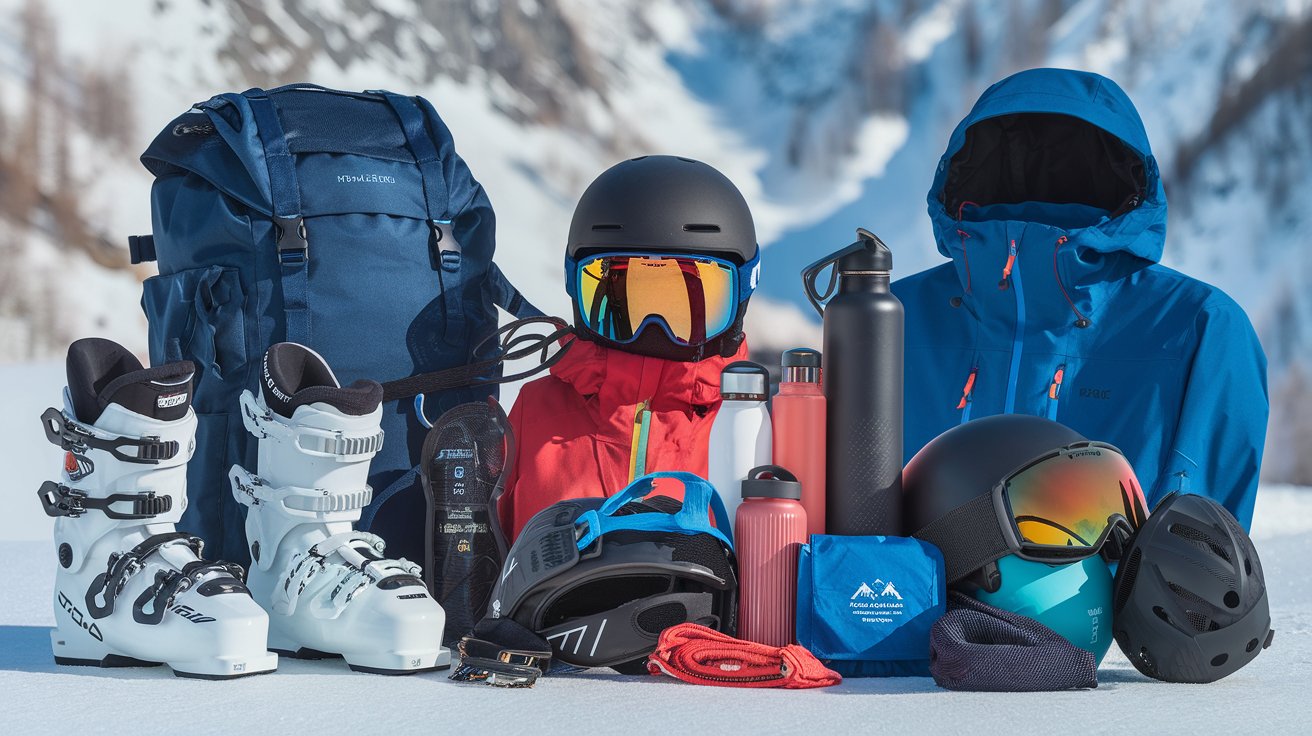
Beyond clothing, your ski gear essentials include protective equipment and accessories that enhance safety and comfort on the mountain. Helmets have become virtually universal at United States ski resorts in 2026, with many resorts requiring them for children under 18. Modern helmets integrate seamlessly with goggles, include built-in audio systems for music and communication, and provide superior impact protection compared to older models. Never compromise on head protection regardless of your skill level.
Goggles are mandatory equipment that protect eyes from UV radiation, wind, and flying snow while improving visibility in varying light conditions. Pack at least two sets of goggles or interchangeable lenses to handle both bright sunny days and flat light conditions. In 2026, photochromic lenses that automatically adjust to light conditions have become more affordable and popular among regular skiers. For a school ski trip packing list, include a goggle case to prevent scratches during transport and storage.
Protective Accessories
Hand protection is non-negotiable in freezing mountain conditions. Pack both waterproof ski gloves and liner gloves for maximum versatility. Heavy-duty insulated gloves or mittens work best for extremely cold days, while lighter gloves with touchscreen-compatible fingertips allow you to use your phone without exposing skin to cold. Include hand warmers in your packing list as backup heat sources during particularly frigid days at high-altitude resorts.
A neck gaiter or balaclava provides essential face protection against windburn and frostbite during extreme cold or windy conditions. These versatile accessories can be adjusted to cover just your neck, pulled up over your nose and mouth, or worn under your helmet for full face coverage. For your ski trip packing list reddit users often recommend, bring at least two so you can wash one while using the other during multi-day trips.
Eyewear and Sun Protection
Sun protection becomes critical at high altitudes where UV radiation intensity increases approximately eight percent for every 1,000 feet of elevation gain. Apply SPF 50 or higher sunscreen to all exposed skin, paying special attention to your face, neck, and ears. The combination of direct sunlight and reflection from snow can cause severe sunburn even on cloudy days. Reapply sunscreen every two hours and after sweating heavily or wiping your face.
Sunglasses with UV protection and polarized lenses serve as backup eyewear when you’re not wearing goggles, particularly during lunch breaks or après-ski activities. Sports-specific sunglasses with wraparound designs prevent light from entering at the sides and typically include rubberized features to prevent slipping when wet. Store both goggles and sunglasses in protective cases to prevent damage in your luggage or gear bag.
Ski Equipment Checklist
Deciding whether to bring your own ski equipment or rent at your destination depends on several factors including travel method, skill level, and trip duration. Flying with ski equipment incurs additional airline fees ranging from $35 to $150 each way in 2026, though some airlines waive these fees for premium passengers. Shipping equipment ahead through specialized services costs $80-200 but eliminates airport hassle and potential damage from airline handling.
For a ski trip packing list pdf version you can print, include skis or snowboard, poles, boots, and a properly sized equipment bag. If you own equipment and are driving to your destination, bringing your own gear makes financial sense for trips longer than three days. However, for occasional skiers or those traveling by air, renting modern equipment at the resort often proves more cost-effective and convenient. Rental shops at major United States resorts carry current-season equipment that may perform better than older personal gear.
Equipment Maintenance Items
Pack a small ski maintenance kit containing a multi-tool, spare binding screws, edge file, and wax for mid-trip tune-ups. Even if you don’t perform major repairs yourself, having basic tools allows you to tighten loose bindings, remove stuck snow, or make minor adjustments without visiting the resort shop. Include a boot dryer or stuff boots with newspaper overnight to remove moisture and prevent bacterial growth that causes odor.
For families creating a ski trip packing list for family needs, designate one person to carry group repair supplies rather than duplicating items across multiple bags. This saves space and ensures someone has the necessary tools when equipment issues arise on the mountain. Modern resorts have comprehensive repair facilities, but having basic supplies prevents minor issues from cutting your ski day short.
Après-Ski and Evening Clothing
Your après-ski wardrobe requires comfortable, casual clothing that transitions from mountain activities to resort dining and entertainment. After spending six to eight hours in ski boots, your feet will appreciate comfortable shoes or boots that provide support without constriction. Pack waterproof boots or shoes with good traction for walking on icy resort paths, as well as slippers or indoor shoes for your accommodations.
A typical ski trip packing list for a week should include three to four casual outfits for evenings, ranging from athletic wear for hot tub sessions to smart-casual attire for nicer restaurant dinners. Jeans, fleece-lined leggings, comfortable sweaters, and flannel shirts form the foundation of an après-ski wardrobe in 2026. Mountain resort culture embraces relaxed, functional fashion, so leave formal wear at home unless you know specific venues require it.
Lounge and Sleepwear Essentials
Comfortable loungewear for evening relaxation helps your body recover from physically demanding days on the slopes. Pack soft joggers, hoodies, and thermal pajamas for maximum comfort in your accommodations. Many ski-in/ski-out properties and mountain lodges maintain cooler indoor temperatures, so bring layers you can adjust rather than relying solely on lightweight sleepwear. Warm socks or slippers with grips prevent cold feet on tile or hardwood floors common in mountain accommodations.
For hot tub or pool facilities at your resort, include a swimsuit, cover-up, and flip-flops in your packing list. Many skiers find that soaking in hot water helps relieve muscle soreness and stiffness from skiing. Bring a small bag to transport wet swimwear back to your room without dampening other items in your main bag.
Footwear for Off-Mountain Activities
Versatile footwear options accommodate various après-ski activities without overpacking. Waterproof winter boots with insulation handle snowy village exploration, while lightweight sneakers work for indoor activities and gym facilities. In 2026, many travelers choose hybrid boots that transition between outdoor winter conditions and casual indoor settings, reducing the total number of shoes needed.
For dining at upscale resort restaurants, clean athletic shoes or casual leather boots typically meet dress codes at mountain destinations. Only specialty fine dining establishments require true dress shoes, which most travelers skip to save luggage space. Check your specific resort’s dress code policies before packing formal footwear.
Travel and Transportation Essentials
Successfully transporting your gear requires strategic packing whether you’re flying or driving to your ski destination. For those researching how to pack for a ski trip flight, invest in a quality ski bag with wheels and padding to protect equipment from airline handling. Distribute weight evenly throughout the bag and use clothing to cushion hard items like boots and helmets. Airlines in 2026 have strict weight limits typically around 50 pounds for checked ski bags, so use a luggage scale before heading to the airport.
Carry-on bags should contain essentials you’ll need immediately upon arrival including base layers, medications, toiletries, and at least one change of clothes. If checked luggage is delayed, having ski socks, a base layer, and your personal items allows you to rent equipment and still ski while waiting for your bags. Pack electronics, valuables, and any irreplaceable items exclusively in carry-on luggage to prevent loss or theft.
Luggage Organization Strategies
Use packing cubes and compression bags to maximize luggage space and keep items organized throughout your trip. Separate clean and dirty clothing, group similar items together, and designate specific cubes for ski gear versus casual wear. This system makes it easy to find items without unpacking your entire bag and simplifies repacking when it’s time to return home.
For a ski trip packing list for family groups, assign each person a distinctive color of packing cubes to prevent confusion when sharing accommodations. This organization method also helps when multiple people need to access one large shared suitcase. Create a master list of which bags contain specific items to avoid frantic searching during busy morning preparations.
Documents and Important Papers
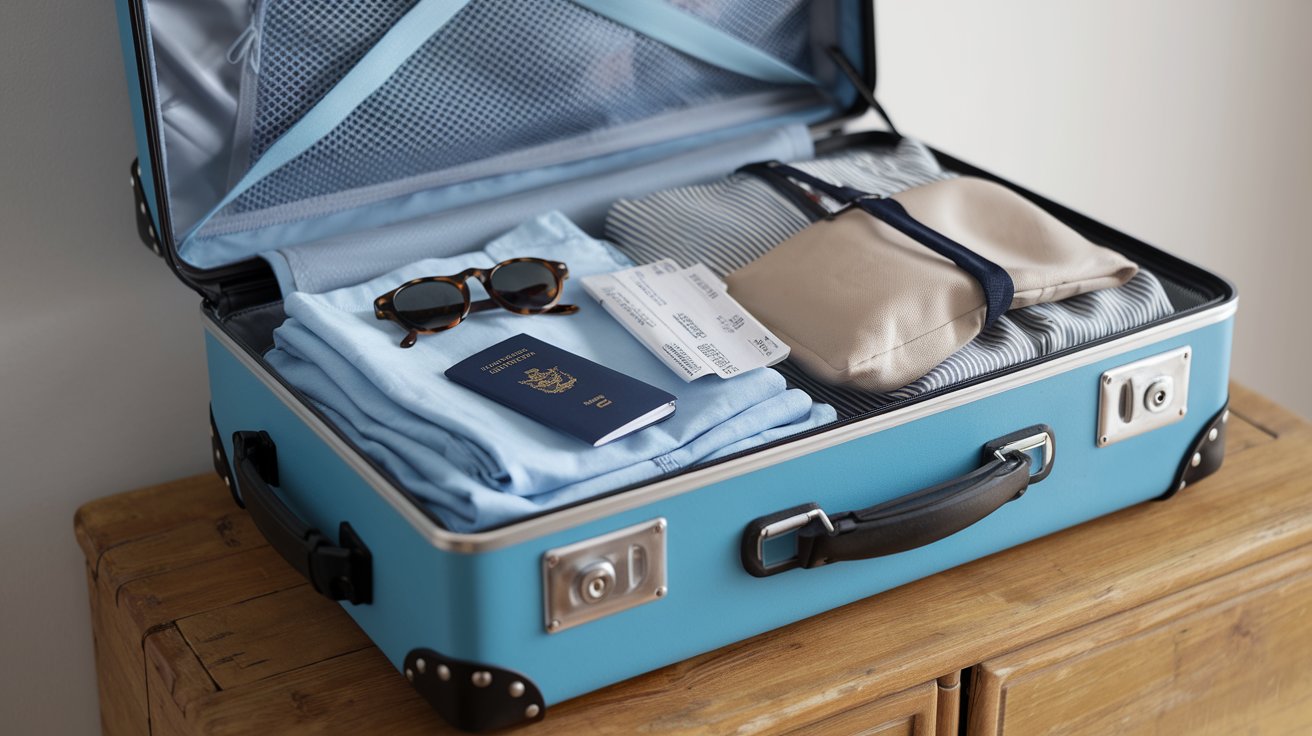
Essential travel documents for ski trips include photo identification, lift ticket confirmations, accommodation reservations, and travel insurance information. Store digital copies of all important documents in cloud storage or email them to yourself for access if physical copies are lost. Many resorts in 2026 use digital lift tickets loaded onto RFID cards or smartphone apps, but always keep confirmation numbers accessible.
If traveling internationally to Canadian resorts, ensure passports are current and check entry requirements. For domestic travel within the United States, Real ID-compliant driver’s licenses or passports are mandatory for air travel in 2026. Include insurance cards, emergency contact information, and any necessary medical documents, particularly for families with children who may require specific care.
Toiletries and Personal Care Items
Mountain environments present unique challenges for skin and body care due to extreme cold, low humidity, and intense sun exposure. Pack heavy-duty moisturizer, lip balm with SPF, and hand cream to combat the severe dryness that occurs at altitude. In 2026, many skiers prefer solid toiletry bars for shampoo, conditioner, and soap to avoid TSA liquid restrictions and reduce plastic waste. These concentrated products take up minimal space and last through week-long trips.
Your ski trip toiletry bag should include all standard personal care items plus altitude-specific additions like nasal saline spray, eye drops, and extra hydration supplements. The combination of dry air and physical exertion can cause dehydration headaches and nosebleeds, particularly during the first few days at elevation. Drink significantly more water than usual and consider electrolyte supplements to maintain proper hydration levels.
First Aid and Medications
A comprehensive first aid kit for ski trips includes basics like adhesive bandages, antibiotic ointment, pain relievers, and blister treatment supplies. Add altitude sickness medication if traveling to high-elevation resorts above 8,000 feet, as approximately 25 percent of visitors experience some symptoms. Pack any prescription medications in original containers with extra days’ supply in case of travel delays.
Include over-the-counter remedies for common ski trip ailments including ibuprofen for muscle soreness, antacids for rich mountain cuisine, and cold medicine since indoor heating and outdoor cold stress immune systems. A small tube of arnica gel helps reduce bruising from inevitable falls, while instant ice packs provide immediate treatment for sprains or impacts before reaching medical facilities.
Technology and Entertainment
Modern ski vacations involve significant technology for capturing memories, navigating resorts, and staying connected. Smartphones are essential for resort apps that display trail maps, lift wait times, and mountain conditions. However, cold temperatures rapidly drain batteries, so carry external battery packs in inner jacket pockets where body heat keeps them warm. In 2026, most major resorts offer free WiFi at base areas and many lifts, making it easy to share experiences in real-time.
Action cameras like GoPros remain popular for recording runs, though modern smartphones with advanced stabilization and weatherproofing often produce comparable results. If bringing a dedicated camera, pack extra batteries, memory cards, and a protective case. Consider a chest or helmet mount that keeps your hands free while capturing footage. For evening entertainment, download movies, books, or podcasts before your trip since mountain WiFi can be unreliable despite improvements.
Charging Solutions and Accessories
Bring appropriate charging cables and adapters for all electronic devices, plus a multi-port USB charger to handle multiple devices simultaneously. Groups sharing accommodations appreciate having one central charging station rather than competing for limited outlets. International travelers to Canadian resorts need compatible plug adapters, though voltage differences rarely affect modern electronics.
Waterproof phone cases or pouches protect devices from snow and moisture while allowing touchscreen operation. These inexpensive accessories prevent costly damage from wet gloves or unexpected snow exposure. For extended backcountry adventures, solar chargers provide backup power, though they’re unnecessary for typical resort skiing with daily accommodation access.
Food, Snacks, and Hydration
While ski resorts offer extensive food service, bringing your own snacks and hydration saves money and ensures you have preferred options readily available. Energy bars, trail mix, jerky, and dried fruit provide quick calories during short breaks without requiring you to remove gloves or find dining facilities. In 2026, on-mountain food prices at United States resorts average $15-25 per meal, making packed snacks a significant cost-saving strategy for families and budget-conscious travelers.
Hydration is critical at altitude where increased respiration causes rapid fluid loss. Pack a insulated water bottle or hydration bladder that fits in your jacket or backpack. Many resorts provide free water refill stations throughout the mountain, making it easy to stay hydrated without purchasing bottled water. Add electrolyte powder packets to boost hydration effectiveness, particularly during the first few days at elevation when your body is still acclimating.
Special Dietary Considerations
Travelers with dietary restrictions should research resort dining options before arrival and pack supplementary foods as needed. While major resorts have improved accommodation of allergies, vegetarian, and vegan diets in 2026, remote or smaller mountains may have limited options. Bring protein powder, meal replacement bars, or other specialty items that might be difficult to source at mountain village markets.
For families creating a school ski trip packing list, include familiar snacks that picky eaters will accept, reducing meal-time stress and ensuring adequate nutrition. Altitude and physical activity increase caloric needs, so pack more food than seems necessary. Individual portion packaging makes it easy to distribute snacks to kids without creating waste or mess in ski clothing pockets.
Specialized Items for Different Ski Destinations
Your specific packing needs vary based on destination characteristics, trip duration, and planned activities. A ski trip packing list for family vacations at large resorts differs from solo backcountry adventures or romantic couples getaways. Research your specific destination’s typical conditions, available amenities, and nearby services to avoid over-packing or missing critical items.
Western United States resorts like those in Colorado, Utah, and Wyoming typically experience drier snow and more intense sun at higher elevations compared to eastern mountains. This requires more aggressive sun protection but often allows lighter-weight clothing due to less moisture. Pacific Northwest destinations like Washington and Oregon see wetter, heavier snow with milder temperatures, necessitating more waterproof gear and backup layers. Understanding regional differences helps you pack appropriately for your specific destination.
Backcountry and Advanced Terrain Additions
Skiers venturing beyond resort boundaries need additional safety equipment including avalanche beacons, probes, shovels, and proper training in their use. In 2026, avalanche safety courses are widely available online and in-person, teaching essential skills for backcountry travel. Never enter avalanche terrain without proper equipment and knowledge, as conditions can change rapidly and consequences are severe.
Backcountry travelers should also pack emergency supplies including a bivy sack, fire-starting materials, extra food, and a comprehensive first aid kit. Satellite communicators or emergency beacons provide critical communication capabilities in areas without cell service. Check local regulations regarding required safety equipment, as some jurisdictions mandate specific items for backcountry access.
International Ski Trip Considerations
Travel to Canadian ski resorts requires additional documentation including valid passports and potentially travel visas depending on citizenship. Currency exchange rates affect budgets, so check current USD to CAD rates and notify credit card companies of travel plans to prevent fraud blocks. International travelers should verify their health insurance provides coverage abroad or purchase travel insurance with medical benefits.
European ski destinations involve significantly different packing considerations including electrical adapters, SIM cards for mobile service, and potentially different sizing standards for rental equipment. Research specific destination requirements well in advance to ensure proper documentation and packing. Language translation apps help navigate non-English speaking areas, though most major European ski resorts have English-speaking staff.
Money-Saving Packing Strategies
Smart packing decisions significantly impact your ski trip budget by reducing rental costs, avoiding emergency purchases, and maximizing limited luggage space. Renting equipment at your home mountain before traveling allows you to test fit and comfort without committing to purchases or incurring destination rental premiums. Many local ski shops offer multi-day rental packages at rates far below resort pricing, and you can return equipment after your trip rather than shipping it home.
For infrequent skiers researching a ski trip packing list reddit communities recommend, consider borrowing gear from friends or family rather than purchasing items you’ll rarely use. Ski-specific clothing and equipment represents a significant investment that only makes financial sense for regular participants. However, never compromise on safety equipment like helmets, which should always fit properly and meet current safety standards rather than being borrowed hand-me-downs of unknown history.
Printable Ski Trip Packing Checklist
Creating a comprehensive ski trip packing list pdf ensures nothing is forgotten during pre-trip preparation. Start your list six weeks before departure and add items as you think of them rather than trying to remember everything at once. Divide your checklist into categories including clothing layers, ski equipment, toiletries, technology, food, and documents. This organization prevents omissions and makes it easier to pack systematically.
Digital packing list apps synchronized across devices allow couples and families to coordinate packing and avoid duplication. However, printed checklists remain reliable backups that don’t require battery power or internet access. Laminate a master ski packing list that can be reused for multiple trips, checking off items with a dry-erase marker. This system saves time on future trips and helps you refine your list based on what you actually used versus what remained packed.
Related video about ski trip packing list
This video complements the article information with a practical visual demonstration.
Everything you need to know about ski trip packing list
What should I pack for a week-long ski trip?
For a week-long ski trip, pack three sets of base layers, two mid layers, one ski jacket and pants, three pairs of ski socks, helmet, goggles, gloves, and neck gaiter for on-mountain use. Include four casual evening outfits, comfortable footwear, toiletries, medications, and entertainment items. Bring ski equipment or confirm rental reservations, lift ticket information, and travel documents. This combination ensures you have sufficient clothing for daily skiing while maintaining a manageable luggage load for air or ground transportation.
Should I bring my own ski equipment or rent at the resort?
Rent at the resort if you’re flying, ski infrequently, or want to try new equipment without purchasing. Airline ski bag fees range from $35-150 each way in 2026, making rentals cost-competitive for trips under five days. Bring your own equipment if driving, skiing more than five days, or requiring specific performance characteristics from familiar gear. Personal equipment ensures proper fit and eliminates time spent at rental shops, but requires transportation logistics and potential tuning needs during your trip.
How do I pack ski gear for air travel?
Use a padded ski bag with wheels that meets airline size restrictions, typically 192 linear inches maximum. Place skis or snowboard base-to-base with bindings facing outward, then wrap boots in clothing for cushioning. Distribute weight evenly and stay under 50-pound limit to avoid excess baggage fees. Pack essential ski clothing, medications, and one outfit change in carry-on luggage in case checked bags are delayed. Confirm your specific airline’s ski equipment policies and fees before travel, as requirements vary significantly across carriers.
What clothing layers do I need for skiing?
The three-layer system includes moisture-wicking base layers next to skin, insulating mid layers like fleece or down, and waterproof outer shell jacket and pants. Pack two to three base layer sets, one to two mid layers, and one quality outer shell. Add ski-specific socks, helmet, goggles, gloves, and neck protection. This system allows temperature regulation by adding or removing layers based on weather conditions and activity level. Avoid cotton materials that retain moisture and choose synthetic or wool fabrics that maintain warmth when wet.
What items are most commonly forgotten on ski trips?
Most commonly forgotten items include sunscreen and lip balm with SPF, which are critical at high altitude; extra goggle lenses or backup goggles for varying light conditions; phone charging cables and portable battery packs; après-ski footwear comfortable enough for swollen feet after skiing; and over-the-counter medications for altitude sickness, muscle soreness, and digestive issues. Many travelers also forget swimsuits for hot tubs, cash for tipping and small purchases, and reusable water bottles for hydration. Creating a detailed packing list six weeks before departure prevents these common omissions.
How much does it cost to check ski equipment on flights in 2026?
Ski equipment baggage fees range from $35 to $150 each way depending on airline and ticket class in 2026. Budget carriers typically charge higher fees while premium airlines may waive charges for elite status members. Southwest Airlines continues to allow free checked ski bags as part of their two free checked bag policy. Alaska Airlines charges $35 for the first ski bag, United and American charge $35-150 depending on route and status, and Delta charges similar rates. Always verify current fees on your specific airline’s website before travel as policies change frequently.
| Packing Category | Essential Items | Key Benefit |
|---|---|---|
| Layering System | Base layers, mid layers, outer shells | Temperature regulation and comfort in varying conditions |
| Safety Equipment | Helmet, goggles, gloves, sun protection | Protection from injury, cold, and UV radiation |
| Ski Gear | Equipment or rental confirmations, boots | Proper fit and performance on slopes |
| Après-Ski Wear | Casual clothes, comfortable footwear, loungewear | Comfort and recovery after skiing activities |
| Travel Essentials | Documents, luggage, packing cubes | Organization and efficient transportation |
| Personal Care | Toiletries, medications, first aid supplies | Health maintenance and altitude adaptation |