Planning your Costa Rica packing list requires careful consideration of the country’s diverse microclimates, adventure activities, and seasonal weather patterns. This comprehensive guide provides exactly what you need to pack for Costa Rica in 2026, whether you’re exploring rainforests, relaxing on beaches, or hiking volcanic trails. From essential clothing and footwear to critical items like mosquito repellent and sunscreen, we’ll ensure you’re prepared for an unforgettable trip without overpacking.
Essential Clothing for Costa Rica in 2026
Packing the right clothes for Costa Rica depends on understanding that temperatures remain relatively consistent year-round, ranging from 70-85°F in most tourist areas. The key difference between seasons is rainfall, not temperature. As of 2026, Costa Rica continues to experience two main seasons: dry season (December through April) and rainy season (May through November). Your packing list for a week should include lightweight, moisture-wicking fabrics that dry quickly since humidity levels consistently hover around 80-90% in rainforest regions.
The average American traveler makes the mistake of overpacking heavy jeans and cotton shirts. Instead, focus on synthetic or merino wool materials that handle moisture better. Pack 3-4 quick-dry shirts, 2-3 pairs of convertible pants or shorts, and one lightweight long-sleeve shirt for sun protection and cooler mountain evenings in areas like Monteverde. Additionally, bring 2-3 swimsuits since you’ll likely swim daily and need time for suits to dry in humid conditions. A lightweight rain jacket remains essential year-round, as brief showers can occur even during dry season, particularly in Caribbean coastal regions.
Essential Footwear for Costa Rican Adventures
Selecting appropriate shoes for Costa Rica can make or break your vacation experience. The terrain varies dramatically from sandy beaches to muddy rainforest trails, volcanic rock paths, and city streets. Most travelers need three types of footwear maximum: sturdy hiking shoes or trail runners, water-friendly sandals, and flip-flops for casual wear. Your primary hiking footwear should have excellent traction, as trails become slippery during and after rain, which occurs daily in many regions throughout 2026.
Waterproof hiking boots aren’t necessary for most travelers and take too long to dry in Costa Rica’s humidity. Instead, quick-dry trail runners with aggressive tread patterns work better for the average visitor. Brands popular among 2026 travelers include Merrell Moab, Salomon X Ultra, and Columbia Newton Ridge models. For water activities like waterfall hikes, river crossings, and beach days, pack sturdy sport sandals from Chaco or Teva that can handle both water and moderate hiking. Reserve flip-flops strictly for hotel rooms, beach lounging, and quick errands. Many Americans underestimate how much walking they’ll do, so ensure all footwear is broken in before departure.
Rain Protection Essentials
A quality rain jacket for Costa Rica ranks among your most important items regardless of travel dates. Even during dry season months like February and March, afternoon showers occur regularly in many regions. The Caribbean side (Puerto Viejo, Tortuguero) receives rain year-round, while the Pacific side sees heaviest rainfall from September through November. In 2026, climate patterns show increasingly unpredictable precipitation, making rain gear essential for all visitors.
Choose a lightweight, packable rain jacket that includes a hood and weighs under 12 ounces. Popular 2026 options include the Patagonia Torrentshell, Columbia Arcadia II, and Marmot PreCip Eco. Avoid heavy, insulated jackets since temperatures remain warm even during rain. Many experienced travelers also pack a small travel umbrella for town exploration and a rain cover for backpacks. Quick-dry pants eliminate the need for rain pants in most situations. If visiting during peak rainy season (September-October), consider packing a second lightweight rain layer or waterproof poncho for extended outdoor activities.
Critical Health and Safety Items
Your Costa Rica packing list must include specific health items that protect against tropical conditions. The country’s location near the equator means intense sun exposure year-round, while warm, humid conditions create ideal mosquito breeding environments. As of 2026, dengue fever remains present in Costa Rica, though cases fluctuate seasonally. Zika and malaria pose minimal risk in tourist areas, but protecting against mosquito bites remains crucial for comfort and health.
Mosquito Protection Requirements
Mosquito repellent is absolutely essential for Costa Rica travel. The most effective formulations contain 25-30% DEET, picaridin, or oil of lemon eucalyptus. In 2026, EPA-registered repellents like Sawyer Picaridin, Ben’s 30% DEET, and Repel Lemon Eucalyptus receive top recommendations from the CDC for tropical destinations. Apply repellent to all exposed skin, particularly during dawn and dusk when mosquitoes are most active. Coastal areas, rainforests, and regions near standing water require more frequent application.
Beyond spray repellent, consider packing mosquito-repellent clothing or treating existing clothes with permethrin spray before departure. This treatment lasts through multiple washes and provides additional protection. Many Costa Rica travelers also pack a small mosquito net for budget accommodations, though most hotels and lodges in 2026 feature screened windows and air conditioning. Don’t rely on natural or essential oil-based repellents alone, as they provide insufficient protection in high-mosquito areas like Tortuguero National Park or Corcovado.
Sun Protection Essentials
Reef-safe sunscreen became mandatory in Costa Rica’s marine protected areas in 2025, making it essential to pack compliant products. Look for mineral-based sunscreens containing zinc oxide or titanium dioxide without oxybenzone or octinoxate, which harm coral reefs. Recommended brands for 2026 include Thinkbaby SPF 50+, Blue Lizard Australian Sunscreen, and Stream2Sea. Apply sunscreen 15 minutes before sun exposure and reapply every 80 minutes, more frequently after swimming or sweating.
Pack at least 8-12 ounces of sunscreen per person for a week-long trip, more if you’re particularly fair-skinned or plan extensive beach time. Many American travelers underestimate consumption and end up buying overpriced sunscreen at resort shops. Complement sunscreen with sun-protective clothing, including a wide-brimmed hat, UV-blocking sunglasses, and a rash guard for water activities. The equatorial sun in Costa Rica is significantly stronger than most United States locations, and sunburn can occur within 15-20 minutes of unprotected exposure even on cloudy days.
Medications and First Aid Supplies
A well-stocked travel medical kit prevents minor issues from ruining your vacation. Pack medications for Costa Rica including anti-diarrheal medicine (Imodium), antihistamines for allergic reactions, pain relievers like ibuprofen, and any prescription medications in original containers. Traveler’s diarrhea affects approximately 30-40% of visitors to Costa Rica, making anti-diarrheal medication particularly important. Include oral rehydration salts or electrolyte packets to combat dehydration from heat, activity, or stomach issues.
Additional recommended medical supplies include adhesive bandages, antibiotic ointment, blister treatment, tweezers for splinters, and anti-itch cream for bug bites. Motion sickness medication helps for winding mountain roads and boat trips to destinations like Montezuma or Tortuguero. While Costa Rica has excellent medical facilities and pharmacies in cities, rural areas have limited access. Pack enough prescription medications for your entire trip plus three extra days. As of 2026, many common medications available over-the-counter in the United States require prescriptions in Costa Rica, so bring adequate supplies from home.
Electronics and Tech Essentials
Costa Rica uses Type A and B electrical outlets (same as the United States) with 120V, meaning American travelers don’t need voltage converters or plug adapters. However, your Costa Rica packing list should include specific tech items for the tropical environment. Pack waterproof phone cases or dry bags for water activities, extra charging cables, and a portable power bank with at least 10,000mAh capacity since you’ll likely use your phone heavily for photos, maps, and translation.
A waterproof camera or GoPro captures underwater adventures, zip-lining, and rafting experiences that smartphones can’t handle safely. Memory cards with 128GB+ capacity ensure you won’t run out of storage during wildlife photography opportunities. Consider bringing a headlamp or small flashlight for early morning excursions, night wildlife tours, and navigating accommodations during power outages, which occasionally occur in remote areas. In 2026, eSIM cards offer convenient mobile data options for travelers, though purchasing a local SIM card from Kolbi or Claro at the San José airport remains budget-friendly for longer stays.
Travel Documents and Money Essentials
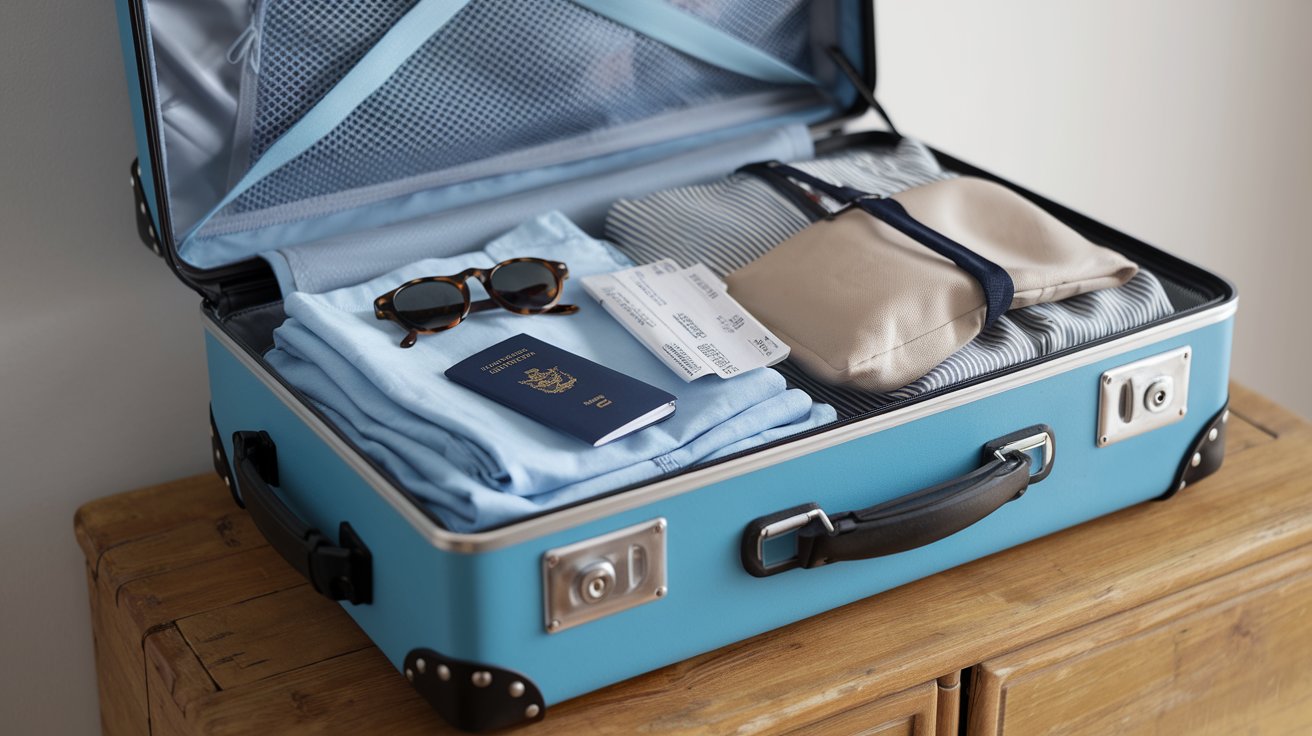
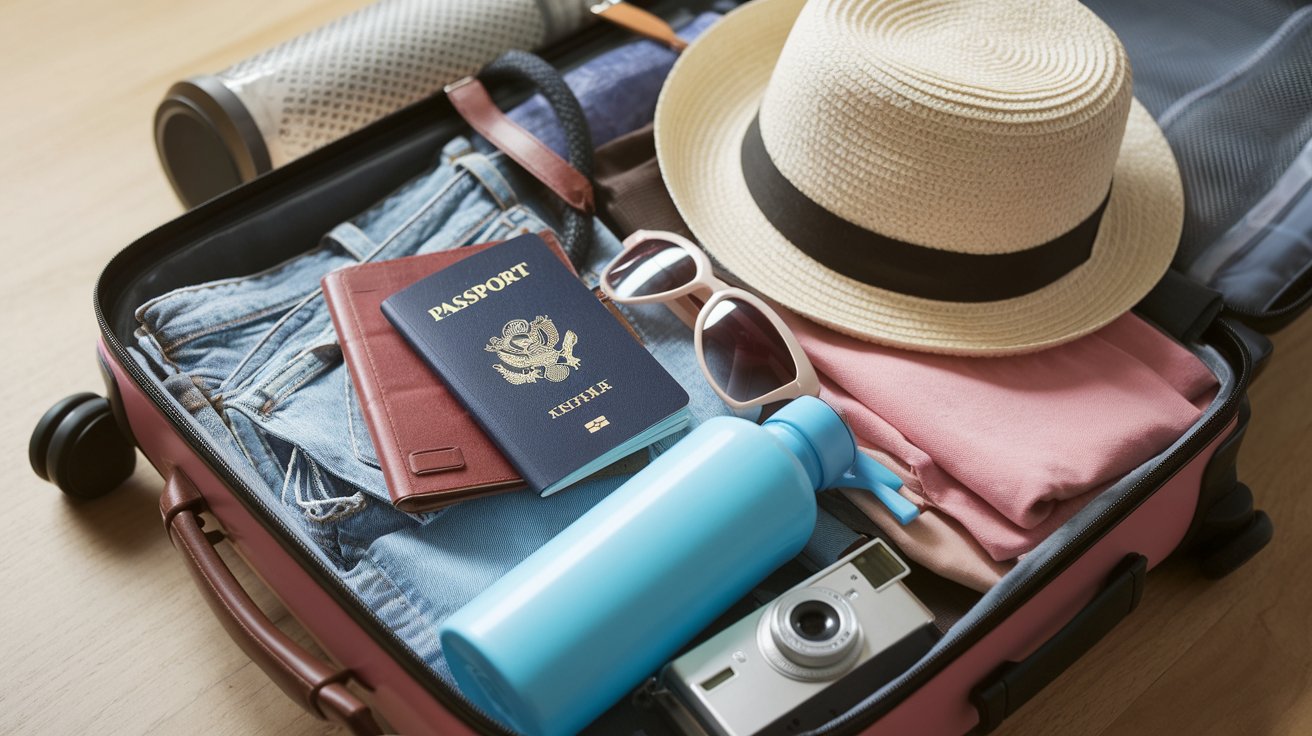
Proper documentation ranks among the most critical components of your packing list. United States citizens need a passport valid for at least six months beyond travel dates, though Costa Rica officially requires only one day of validity. Don’t risk entry denial with an expiring passport. No visa is required for stays under 90 days. Print copies of your passport, travel insurance, accommodation confirmations, and flight itineraries, storing copies separately from originals. Digital backups on your phone or cloud storage provide additional security.
Regarding money, Costa Rica’s currency is the colón (₡), but United States dollars are widely accepted in tourist areas at approximately ₡520-540 per dollar in 2026. Many travelers ask, is $500 enough for a week in Costa Rica? For budget travelers staying in hostels, eating local food, and using public transportation, $500 covers basics but leaves little for activities. Mid-range travelers should budget $1000-1500 per person weekly, while $2000+ per week allows comfortable spending on tours, nice restaurants, and private transportation. Credit cards work at most established businesses, but cash remains essential for small towns, local sodas (restaurants), and rural areas. Notify your bank of travel dates to prevent card blocks.
Specialized Gear for Activities and Adventures
Costa Rica’s reputation as an adventure destination means many travelers need specialized equipment beyond basic clothing. For water activities, pack a rash guard or wetsuit top, as many surf schools require them and rentals may not fit properly. Snorkeling gear is optional since tours provide equipment, but bringing your own mask ensures proper fit and hygiene. Dry bags in various sizes (10L, 20L, 40L) protect electronics and clothing during kayaking, rafting, and boat transfers to coastal destinations.
Hiking enthusiasts should include trekking poles for steep, muddy trails, especially when visiting Corcovado National Park or climbing Cerro Chirripó (Costa Rica’s highest peak). A small daypack (20-30L) with rain cover is essential for day trips and hikes, keeping hands free and distributing weight comfortably. Binoculars (8×42 or 10×42) significantly enhance wildlife viewing, as birds, monkeys, and sloths often remain high in rainforest canopies. A reusable water bottle with filtration capabilities works well for refilling from taps in most Costa Rican areas where water is potable, reducing plastic waste and saving money on bottled water.
Month-Specific Packing Considerations
Your specific travel dates significantly impact what to pack for Costa Rica. Understanding monthly weather patterns helps optimize your luggage for 2026 conditions.
What to Pack for Costa Rica in December Through April
Dry season packing focuses on sun protection and lighter layers. December through April brings minimal rainfall to Pacific coast regions, making this peak tourist season. Pack extra sunscreen, sun hats, and lightweight breathable clothing. Expect warm temperatures (80-95°F) with lower humidity than rainy season. Beach destinations like Guanacaste experience virtually no rain during February and March. However, Caribbean regions around Puerto Viejo receive rain year-round, so include rain protection regardless of dates. Accommodations book quickly during this period, especially around Christmas, New Year’s, and Easter week (Semana Santa), when many Costa Ricans vacation domestically.
What to Pack for Costa Rica in November and Rainy Season
Packing for Costa Rica in November and throughout rainy season (May-November) requires enhanced rain protection. November typically marks the wettest month, particularly on the Pacific side. Pack more quick-dry clothing items, a quality rain jacket, waterproof pants for extended hikes, and rain covers for backpacks. Bring sealed plastic bags for keeping electronics and documents dry. The advantage of rainy season travel includes fewer tourists, lower prices (20-40% discounts common), and lush, vibrant landscapes. Rain typically falls in afternoon or evening downpours rather than all-day drizzle, leaving mornings clear for activities. September and October see heaviest rainfall, while May and November experience transitional conditions with mix of sun and rain.
Packing for Families and Different Traveler Types
Your Costa Rica packing list with kids requires additional considerations beyond standard adult items. Children need more frequent sunscreen application, so pack 50% more than estimated. Bring child-safe insect repellent formulated for sensitive skin, along with familiar snacks for picky eaters, especially when visiting remote areas with limited food options. Small toys, tablets loaded with downloaded content, and travel games help during long drives on winding roads. Pack children’s motion sickness medication and plenty of wet wipes for inevitable messes. Portable high chairs and baby carriers are available at many hotels, but confirm availability when booking.
Men’s packing lists for Costa Rica mirror general recommendations but can skip some items women typically pack. Focus on functional, quick-dry clothing in neutral colors, sturdy footwear for activities, and minimal toiletries. Many male travelers successfully pack everything in a carry-on bag for week-long trips. Solo travelers should prioritize safety items like door locks, copies of documents, and communication tools. Adventure-focused travelers need more technical gear, while luxury resort visitors can pack lighter since amenities are provided. Budget backpackers benefit from camping gear, water filters, and cooking equipment for extended stays. Consider your specific itinerary and accommodation types when finalizing your packing list.
Smart Packing Strategies and Weight Management
Implementing effective packing strategies prevents overpacking while ensuring you have everything needed. The 3-3-3 rule mentioned in traveler forums suggests packing three tops, three bottoms, and three pairs of shoes. However, for Costa Rica, modify this to 4-5 tops, 3 bottoms, and 3 pairs of shoes for a week-long trip. Coordinate clothing in complementary colors so pieces mix and match easily, maximizing outfit combinations from minimal items. Roll clothes instead of folding to minimize wrinkles and save space. Pack heaviest items like shoes near the bottom of your bag over wheels for better weight distribution.
Utilize packing cubes to organize clothes by type or day, making items easily accessible without unpacking entirely at each destination. Compression bags work well for bulky items like rain jackets or sweatshirts. Wear your bulkiest items (hiking shoes, jacket) during travel rather than packing them. Plan to do laundry mid-trip, either through hotel services or self-service laundromats in tourist towns, allowing you to pack fewer clothes. As of 2026, most airlines charge $35-75 for checked bags, making carry-on-only travel appealing. A 40-45L travel backpack or wheeled carry-on accommodates week-long trips comfortably while avoiding baggage fees and lost luggage risks.
Items You Don’t Need to Pack
Knowing what to leave home saves space and weight. Skip bulky beach towels since accommodations provide them, and lightweight microfiber towels work better if needed for activities. Don’t pack excessive toiletries, as basics like shampoo, soap, and toothpaste are readily available in Costa Rican supermarkets and pharmacies at reasonable prices. Leave expensive jewelry and valuables at home, as they attract unwanted attention and increase theft risk. Hair dryers, straighteners, and similar tools are provided at most hotels or unnecessary in humid conditions where styling efforts prove futile.
Avoid packing too many books, as e-readers or tablets save significant weight and space. Skip formal clothing unless attending specific events, as Costa Rica maintains a casual culture even at nicer restaurants. Don’t bring your entire medicine cabinet when a small first aid kit suffices. Leave cotton clothing at home in favor of technical fabrics that dry quickly. Finally, resist the urge to pack for every possible scenario. Costa Rica has stores, and purchasing forgotten items locally often costs less than checked baggage fees. Focus on absolute essentials and items difficult to find or expensive to replace abroad.
Related video about costa rica packing list
This video complements the article information with a practical visual demonstration.
What you should know
Is $1000 enough for a week in Costa Rica for one person?
Yes, $1000 is sufficient for a week in Costa Rica for mid-range travelers. This budget covers approximately $80-100 daily for accommodation ($40-60), meals at local sodas and mid-range restaurants ($25-30), activities and tours ($20-30), and transportation. Budget travelers can manage on $500-700 weekly by staying in hostels, eating primarily local food, and using public buses. However, luxury travelers, those booking many tours, or visiting during peak season (December-April) should budget $1500-2000+ per person. Prices in 2026 have increased approximately 8-10% from 2023 levels due to inflation and tourism demand recovery.
What is the 3-3-3 rule for packing clothes for Costa Rica?
The 3-3-3 packing rule suggests packing three tops, three bottoms, and three pairs of shoes as a minimalist approach to travel. For Costa Rica, modify this to 4-5 quick-dry shirts, 3 pairs of shorts or convertible pants, and exactly 3 pairs of shoes (hiking shoes, water sandals, flip-flops). The rule encourages wearing items multiple times and doing laundry mid-trip rather than packing excessively. Given Costa Rica’s humid climate where clothes dry slowly, slightly exceeding the basic 3-3-3 rule with an extra shirt or two prevents wardrobe shortages. The concept emphasizes quality over quantity and multi-purpose items.
Do I need a rain jacket for Costa Rica during dry season?
Yes, a rain jacket remains essential even during dry season (December-April) in Costa Rica. While Pacific coast regions experience minimal rainfall during these months, afternoon showers can still occur, particularly in mountain areas like Monteverde and Arenal. The Caribbean side receives rain year-round regardless of season. Additionally, many activities like waterfall visits, boat trips, and early morning wildlife tours expose you to water and mist. A lightweight, packable rain jacket weighing under 12 ounces takes minimal space but provides crucial protection. Rather than a heavy raincoat, choose breathable options from brands like Patagonia, Columbia, or Marmot designed for warm, humid conditions.
What type of mosquito repellent works best for Costa Rica?
DEET-based repellents with 25-30% concentration or picaridin-based products work most effectively against Costa Rican mosquitoes in 2026. The CDC recommends EPA-registered repellents containing DEET, picaridin, IR3535, or oil of lemon eucalyptus for tropical destinations where dengue fever is present. Brands like Sawyer Picaridin 20%, Ben’s 30 DEET, and Repel Lemon Eucalyptus provide 6-8 hours of protection per application. Apply to all exposed skin, especially during dawn and dusk when mosquitoes are most active. Natural or essential oil-based repellents offer insufficient protection in high-risk areas like Tortuguero or Corcovado. Complement spray repellent with permethrin-treated clothing for enhanced protection during rainforest hikes and overnight camping.
Should I pack reef-safe sunscreen for Costa Rica?
Absolutely yes. Reef-safe sunscreen is mandatory in Costa Rica’s marine protected areas as of 2025 legislation. Only mineral-based sunscreens containing zinc oxide or titanium dioxide without oxybenzone, octinoxate, or other harmful chemicals are permitted. Non-compliant sunscreens can result in fines and harm to coral reefs. Pack 8-12 ounces per person for a week-long trip, more for fair skin or extensive beach time. Recommended brands for 2026 include Thinkbaby SPF 50+, Blue Lizard Australian Sunscreen, Stream2Sea, and Raw Elements. While reef-safe options cost more than traditional sunscreens, they’re essential for environmental protection and legal compliance. Purchasing in Costa Rica is possible but significantly more expensive than bringing from the United States.
Can I pack everything for Costa Rica in a carry-on bag?
Yes, carry-on-only packing is completely feasible for week-long Costa Rica trips with proper planning. A 40-45L travel backpack or standard carry-on roller bag (22x14x9 inches) accommodates all essentials: 4-5 quick-dry shirts, 3 bottoms, underwear, socks, one rain jacket, 3 pairs of shoes, toiletries under 3.4oz each in a quart bag, medications, and minimal electronics. Wear bulkiest items during travel. Use packing cubes for organization and compression. Plan to do laundry mid-trip or hand-wash items in sinks. Benefits include avoiding $35-75 checked bag fees, faster airport processing, and zero lost luggage risk. This approach works best for adventure travelers and those staying at accommodations with laundry facilities. Luxury travelers or families with young children may prefer checked luggage for additional comfort items.
| Essential Category | Must-Pack Items | Key Benefit |
|---|---|---|
| Clothing | 4-5 quick-dry shirts, 3 bottoms, lightweight rain jacket, 2-3 swimsuits | Handles humidity and frequent weather changes comfortably |
| Footwear | Trail runners/hiking shoes, sport sandals, flip-flops | Covers all terrain from beaches to rainforest trails |
| Health Protection | 25-30% DEET repellent, reef-safe SPF 50+ sunscreen, basic medications | Prevents mosquito-borne illness and severe sunburn |
| Rain Protection | Packable rain jacket, waterproof phone case, dry bags | Keeps you and belongings dry during tropical downpours |
| Tech Essentials | Phone with waterproof case, power bank, headlamp, camera | Captures memories and provides navigation without device damage |
| Documents & Money | Passport (6+ months validity), mix of USD cash and cards, copies | Ensures smooth entry and payment options throughout trip |